



A report by the NGO network Climate Action Network proposes a series of concrete changes to revitalise the UN Climate Change Conferences.
Il cedimento della struttura potrebbe provocare la morte di quasi 1,5 milioni di iracheni che vivono lungo il Tigri. Il governo iracheno precisa però che il rischio è molto basso.
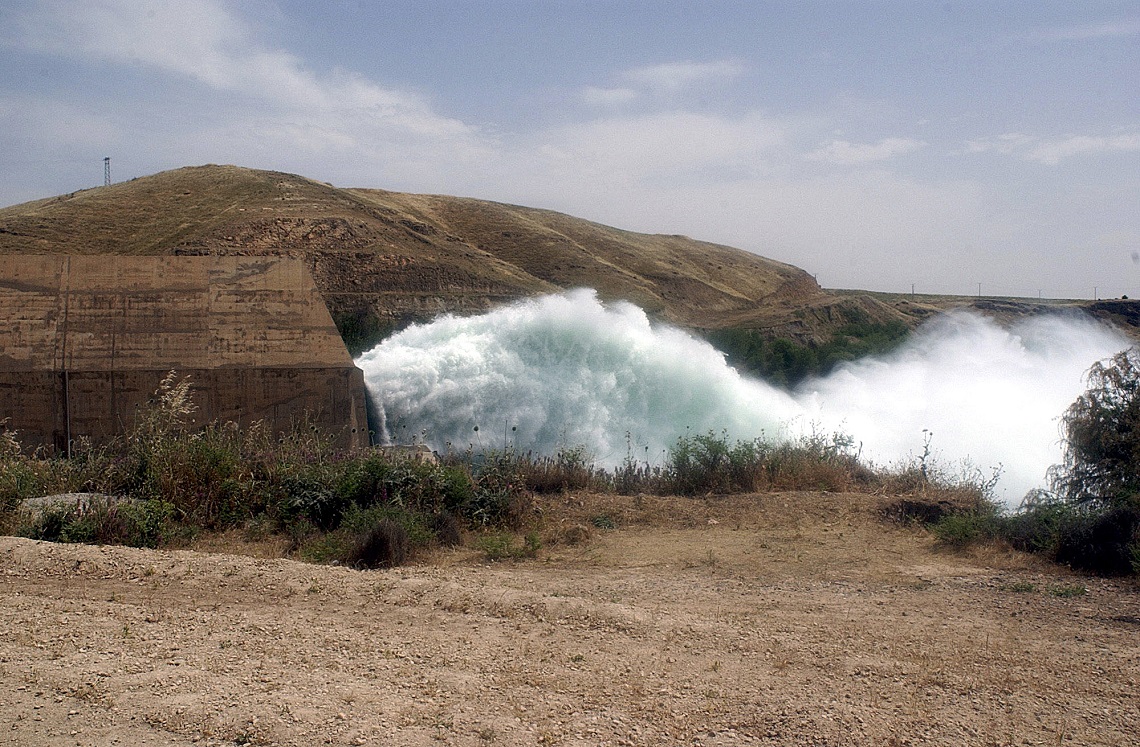
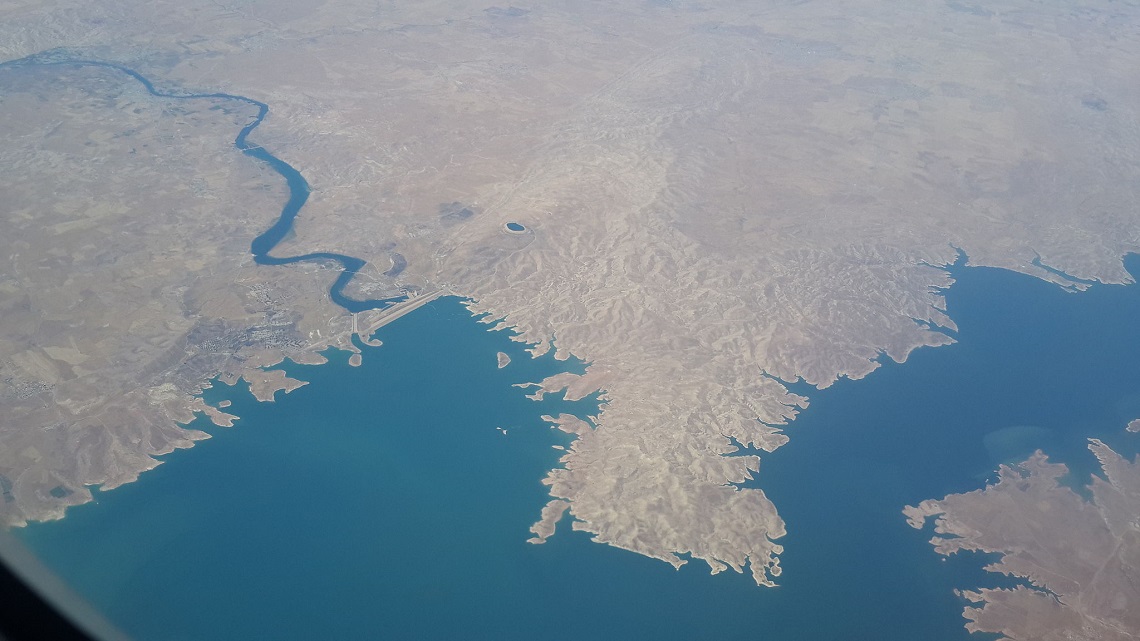
The Mosul Dam, Iraq’s largest, is at risk of collapsing. If it bursts, it could unleash a wall of water tens of feet tall that could kill over a million people living along the Tigris.
This is the warning issued by Iraq’s government and the US Embassy in Baghdad, which have already alerted the population. According to the US army, the dam could collapse due to the lack of maintenance and spring is considered to be the time of the year most at risk due to Tigris level rise linked to more frequent rainfalls and melting snow.
The embassy and the government urged prompt evacuation of the area involved, and Iraq’s Prime Minister Haider al-Abadi asked Mosul inhabitants to move at least 7km from the banks of Tigris. However, the government is not able to directly manage the evacuation as some areas at risk are currently under the control of the Islamic State (IS).
Baghdad pointed out that precautions are being taken and added that breach risk remains low. However, a specialised firm – the Italian Trevi Group – undertook a contract to address the structural integrity of the dam.
“We have to make Mosul Dam safe in order to grant a water supply for the country, as well as increase the energy power in view of the liberation of Mosul from the Islamic State. The government has started the dam renovation”.
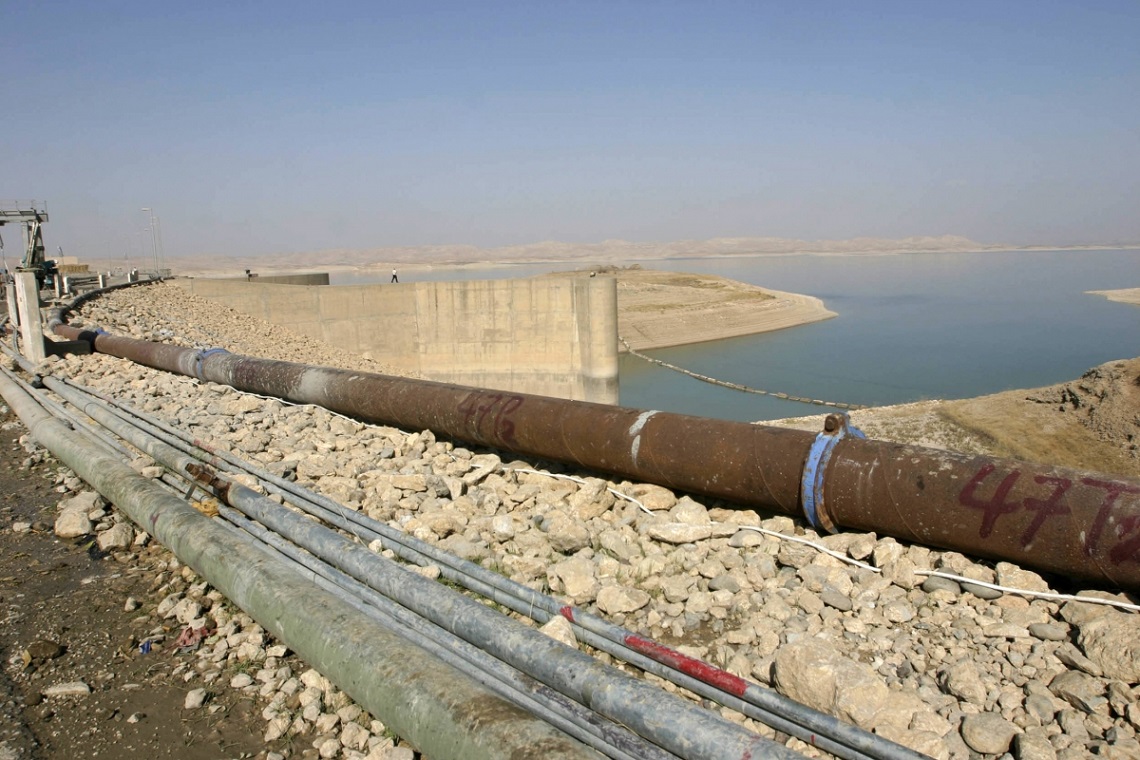
The dam has suffered from structural flaws since its completion in 1980. Saddam Hussein’s regime pushed for its realisation despite experts didn’t agree. A report carried out by a group of Iraqi and Swedish geologists and engineers last year defined the Mosul Dam as the “most dangerous dam in the world”.
Siamo anche su WhatsApp. Segui il canale ufficiale LifeGate per restare aggiornata, aggiornato sulle ultime notizie e sulle nostre attività.

Quest'opera è distribuita con Licenza Creative Commons Attribuzione - Non commerciale - Non opere derivate 4.0 Internazionale.
A report by the NGO network Climate Action Network proposes a series of concrete changes to revitalise the UN Climate Change Conferences.
Pescasseroli, in the heart of Italy’s Apennines, will host the IBA conference on bear conservation and human–bear coexistence. LifeGate will be the event’s media partner.
The inflation caused by extreme weather events is known as “climateflation”: prices for many food products are expected to rise sharply.
The toll is still provisional, but data collected across several European countries indicate that tens of thousands of people have died as a result of extreme heat.
Last February, Malaysia imposed a total ban on electronic waste imports. Yet toxic e-waste continues to arrive from the United States and other countries through illegal trafficking networks.
Although Earth Overshoot Day falls six days later than in 2025, this does not represent an improvement. The shift is the result of revised estimates of the oceans’ carbon absorption capacity, while humanity’s actual ecological footprint continues to grow.
Gigantic wildfires in France’s Gironde region and near Madrid, Spain, have devastated tens of thousands of hectares of vegetation.
Greece has launched a wildfire management system based on nanosatellites and artificial intelligence. A model that other countries are now looking to replicate.
According to analysts, the emergence of a “super” El Niño could trigger a global food price shock, adding to inflationary pressures already fuelled by the conflict with Iran.


