




A report by the NGO network Climate Action Network proposes a series of concrete changes to revitalise the UN Climate Change Conferences.
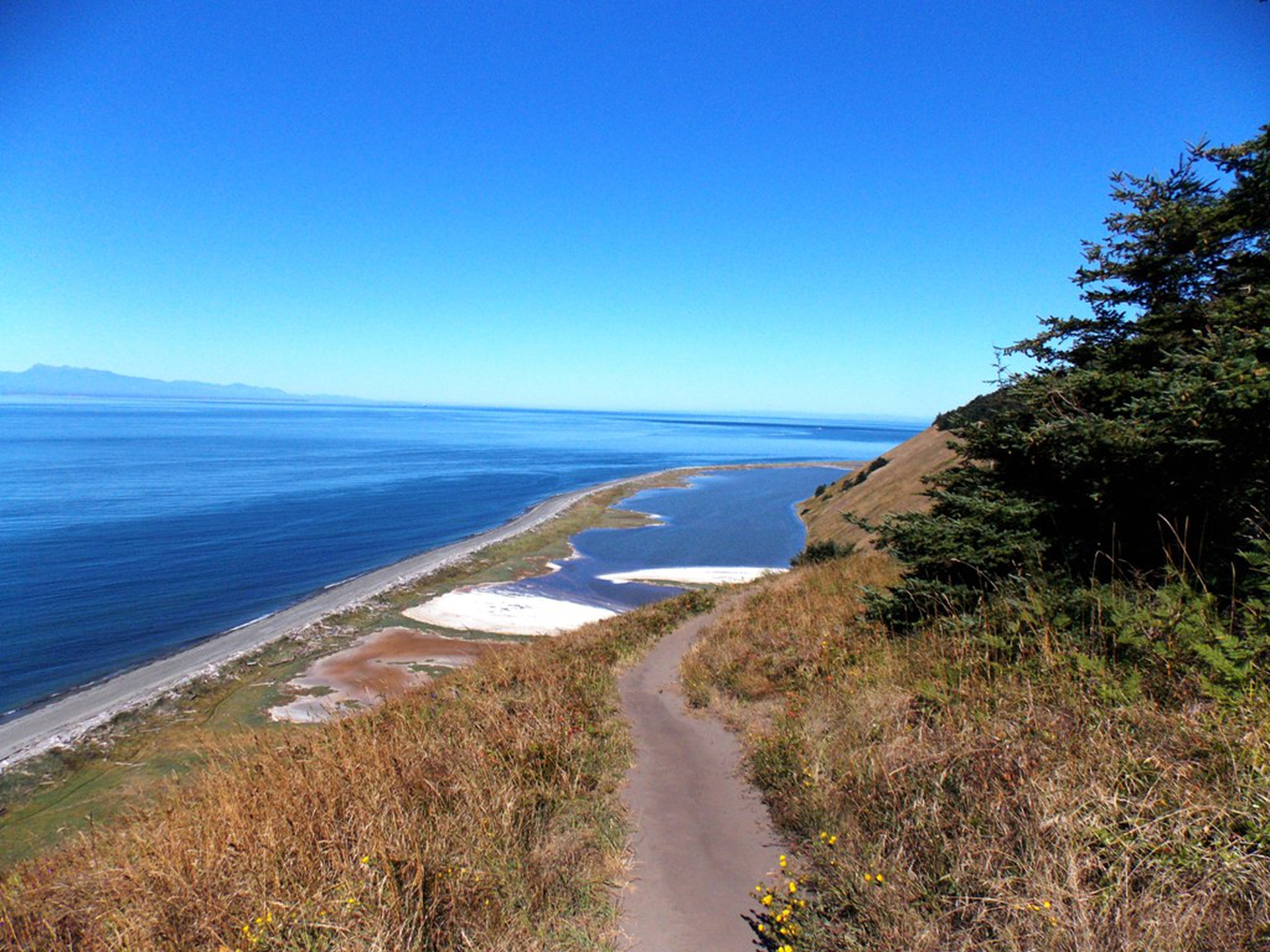
Home to breathtaking views of the Cascade and Olympic Mountains and nestled between the waters of the Puget Sound, Ebey’s National Historical Reserve, located on Whidbey Island in the US state of Washington, is a thriving rural community, with a history of exploration and settlement. Originally populated by the Lower Skagit Native American tribe, land use has remained
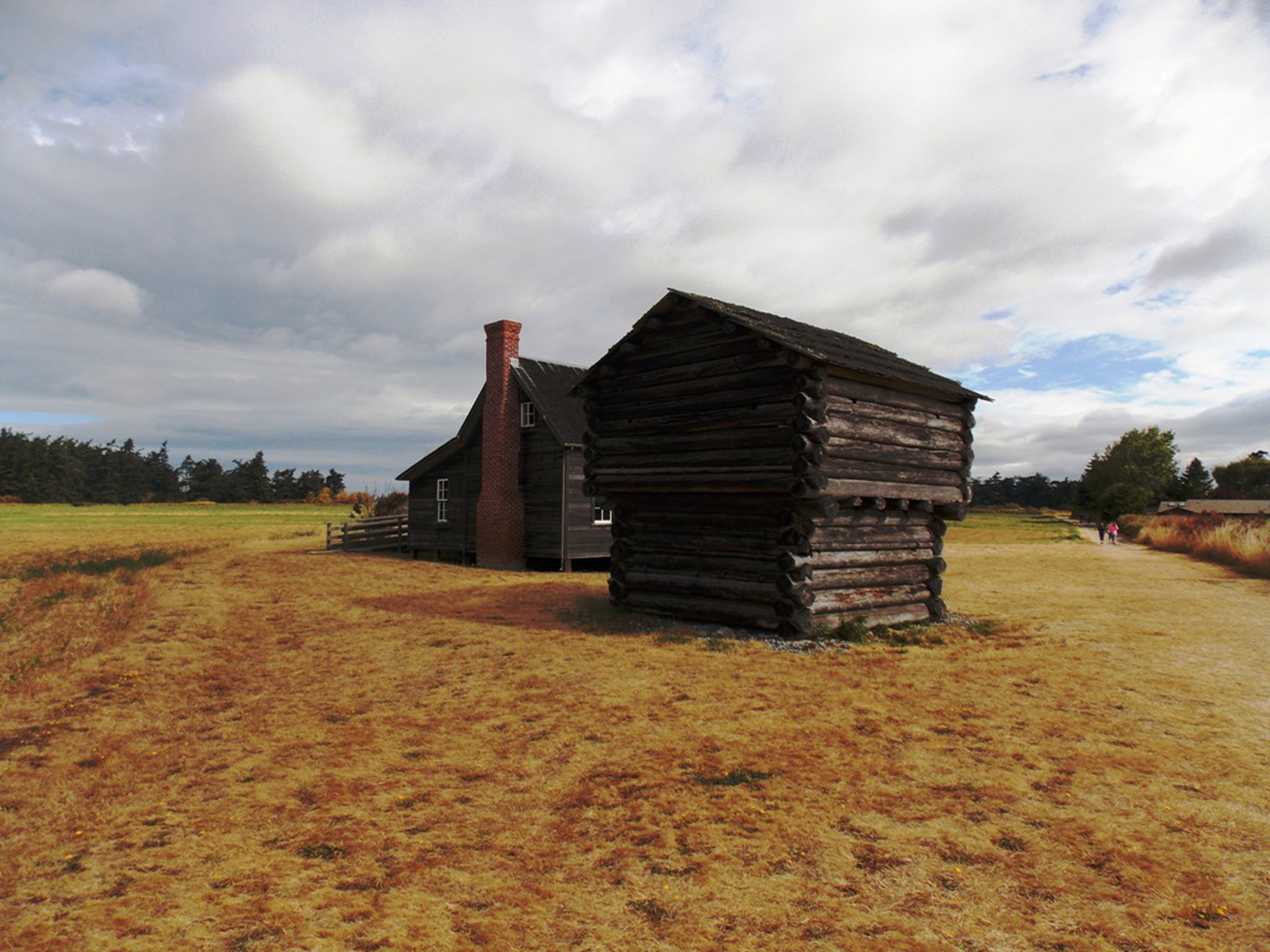
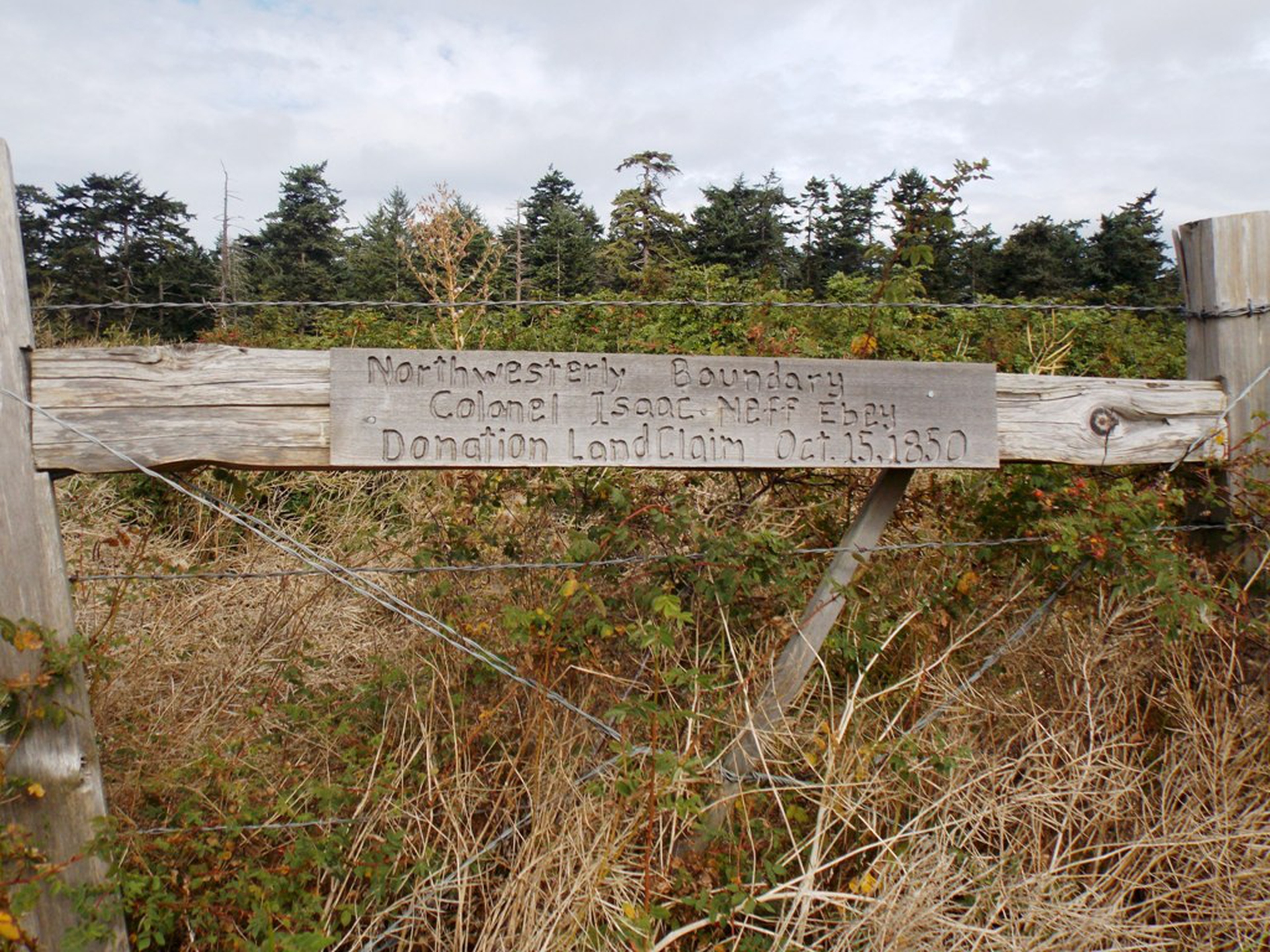
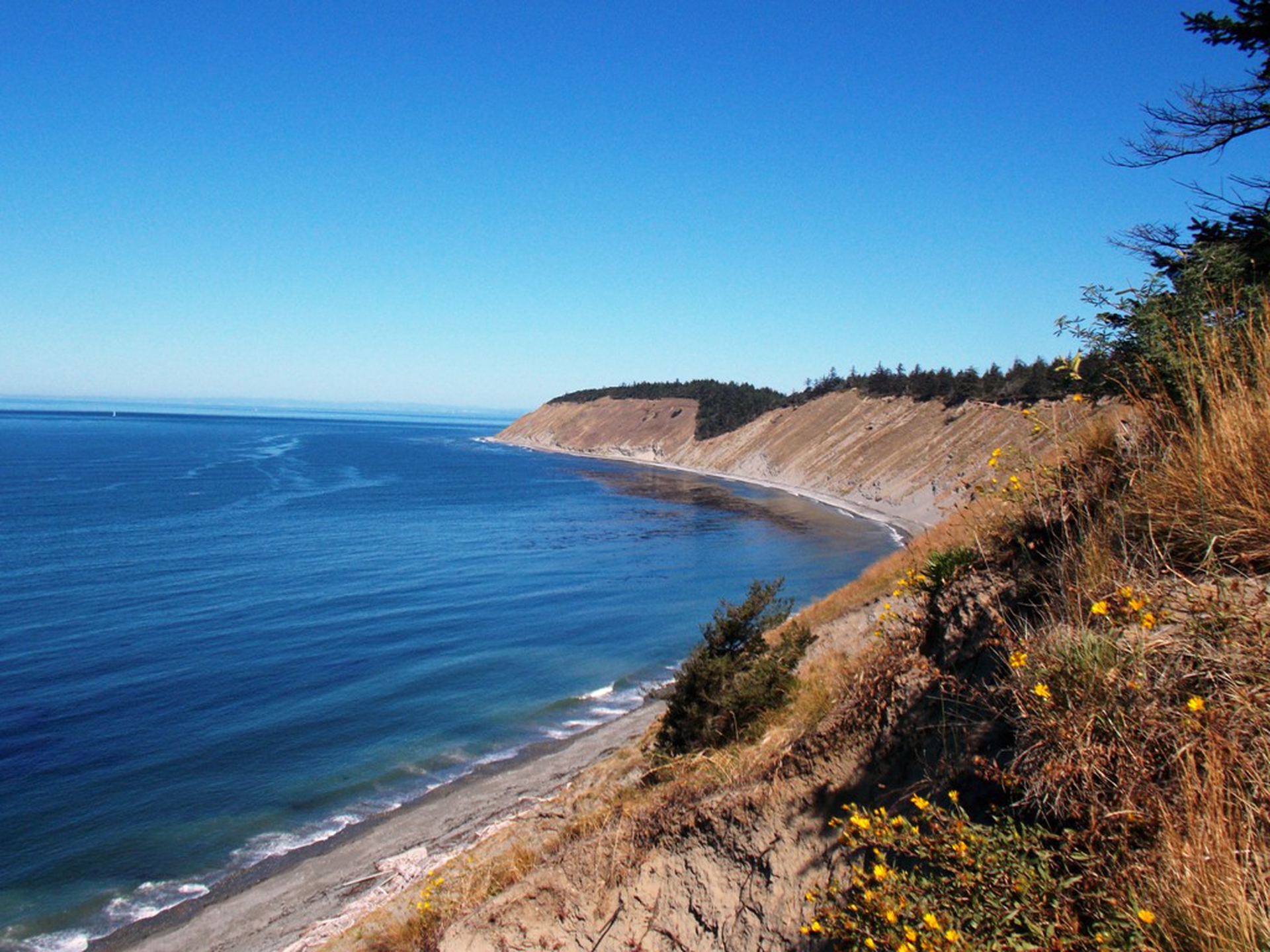
Home to breathtaking views of the Cascade and Olympic Mountains and nestled between the waters of the Puget Sound, Ebey’s National Historical Reserve, located on Whidbey Island in the US state of Washington, is a thriving rural community, with a history of exploration and settlement. Originally populated by the Lower Skagit Native American tribe, land use has remained mostly unchanged since the settlers claimed the territory in the 1850s under the Donation Land Claim Act.
Captain George Vancouver explored Whidbey Island in 1792, but it wasn’t until the 1850s that settlers such as the Ebey family arrived on the island. The Skagits populated the land as they had done for centuries, living on salmon, shellfish, berries, deer and waterfowl. Their cultivation methods were sustainable and in full harmony with nature. A prominent public figure, Colonel Isaac Neff Ebey was among the first permanent settlers. His home, which still overlooks the prairie bearing his family name, along with 5.6 kilometres of scenic trails, is accessible to visitors year-round.
Following citizens’ protests to halt a housing development, Ebey’s Reserve was authorised by the US Congress in 1978, in an effort to preserve and protect a living rural community, as well as maintain connections with the natural and historic landscape. Unlike National Parks, Reserves aren’t regulated by a single agency, and in the case of Ebey’s Landing, 85 per cent of the land is privately owned. Land donations, land use regulations and the cooperation of property owners are essential for its success.
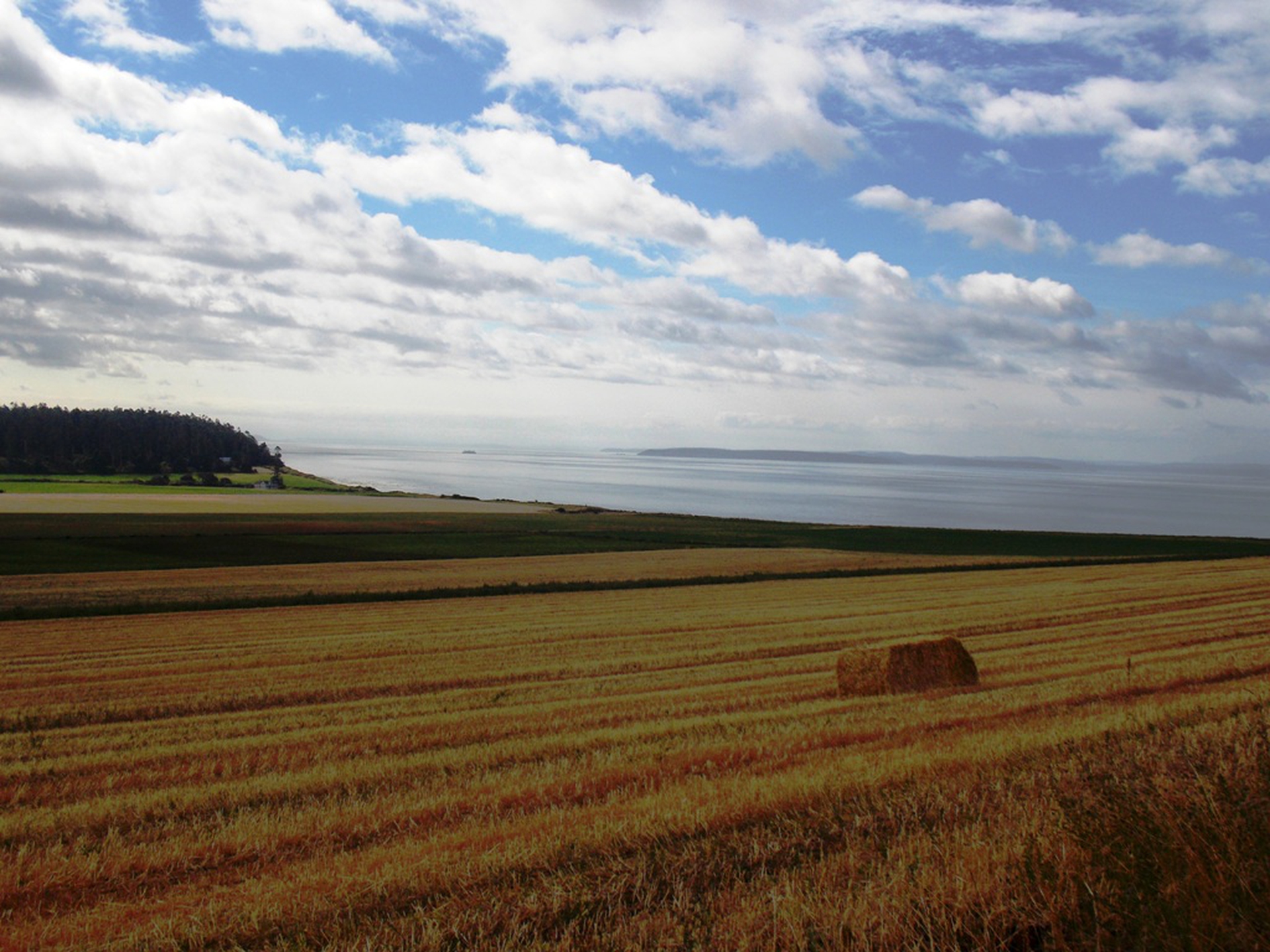
Many of the farmsteads established in the 1800s and early 1900s are still operating. While the Skagits only cultivated native species, the settlers also had success with non-native crops, as stated by Island County Historical Society’s director Rick Castellano: “In a period during the late 1800’s the prairie produced the highest yield of wheat in the country at the time”.
While sustainable practices, such as crop rotation, are still a reality, the nature and use of crops changes according to demand. The hay and grains grown today are used locally and statewide as livestock feed, while succulent squashes are available locally, as well as through natural food giant Whole Foods Market. Ebey’s farms also produce cabbage seed, seed peas and grass seed exported as far as Europe and Japan.
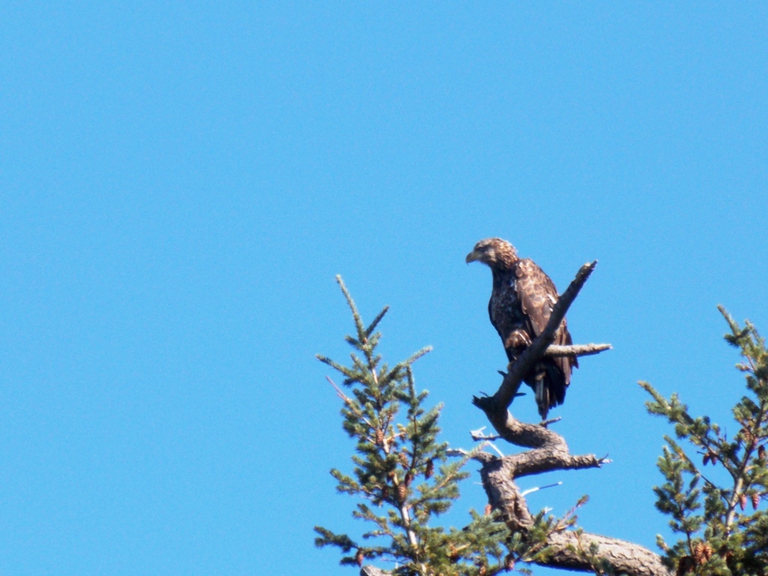
Environmental organisation The Nature Conservancy is working with University of Washington researchers and US park and wildlife agencies to restore native prairie plant species in the Ebey’s Landing area, while removing non-native species, in order to guarantee a better environment for the rich local flora and fauna. The site, which includes Perego’s Lake, one of the least disturbed coastal wetlands in the state, is home to the rare and threatened golden paintbrush plant, as well as the majestic bald eagle, osprey and quail, among many other species. While Ebey’s National Historical Reserve is protected by law, its long-term success is in the hands of all who enjoy this piece of paradise.
Siamo anche su WhatsApp. Segui il canale ufficiale LifeGate per restare aggiornata, aggiornato sulle ultime notizie e sulle nostre attività.

Quest'opera è distribuita con Licenza Creative Commons Attribuzione - Non commerciale - Non opere derivate 4.0 Internazionale.
A report by the NGO network Climate Action Network proposes a series of concrete changes to revitalise the UN Climate Change Conferences.
Pescasseroli, in the heart of Italy’s Apennines, will host the IBA conference on bear conservation and human–bear coexistence. LifeGate will be the event’s media partner.
The inflation caused by extreme weather events is known as “climateflation”: prices for many food products are expected to rise sharply.
The toll is still provisional, but data collected across several European countries indicate that tens of thousands of people have died as a result of extreme heat.
Last February, Malaysia imposed a total ban on electronic waste imports. Yet toxic e-waste continues to arrive from the United States and other countries through illegal trafficking networks.
Although Earth Overshoot Day falls six days later than in 2025, this does not represent an improvement. The shift is the result of revised estimates of the oceans’ carbon absorption capacity, while humanity’s actual ecological footprint continues to grow.
Gigantic wildfires in France’s Gironde region and near Madrid, Spain, have devastated tens of thousands of hectares of vegetation.
Greece has launched a wildfire management system based on nanosatellites and artificial intelligence. A model that other countries are now looking to replicate.
According to analysts, the emergence of a “super” El Niño could trigger a global food price shock, adding to inflationary pressures already fuelled by the conflict with Iran.


