


A report by the NGO network Climate Action Network proposes a series of concrete changes to revitalise the UN Climate Change Conferences.
Secondo una ricerca il riscaldamento globale sta rendendo inadatte alla vita dei bombi le regioni più meridionali del loro abituale areale.
Many animal species are adapting to climate change by moving north in order to fight rising temperature, and modifying their traditional ranges as a consequence. However, not all species embarked on this forced journey towards more favourable climates, such as bumblebees (Bombus).
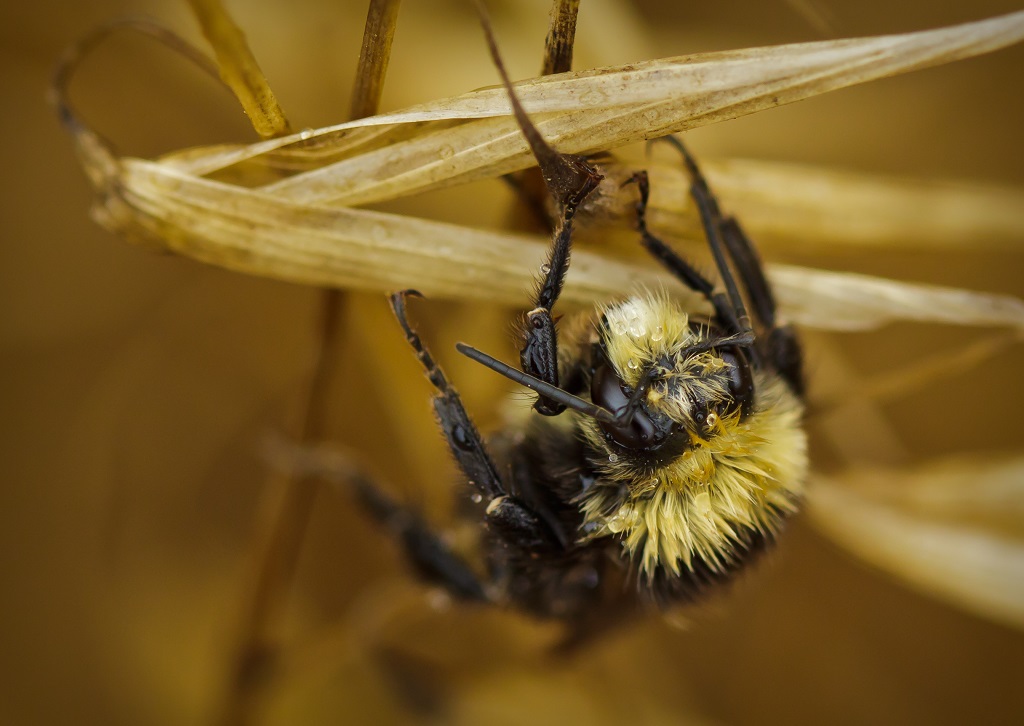
According to the study Climate change impacts on bumblebees converge across continents, published by Science, these precious pollinators are failing to head north, causing a territory loss that led to the decimation of one third of the existing species.
The alarming phenomenon involves Europe and North America, and is strictly linked to the ongoing temperature rise. The study is based on an analysis of 423,000 archived observations of 67 species of bumblebees, realised in both countries over more than 110 years.
As for bees and other pollinators, bumblebees play an essential role in the ecosystem. Indeed, they help flowers to expand their range and to reproduce.
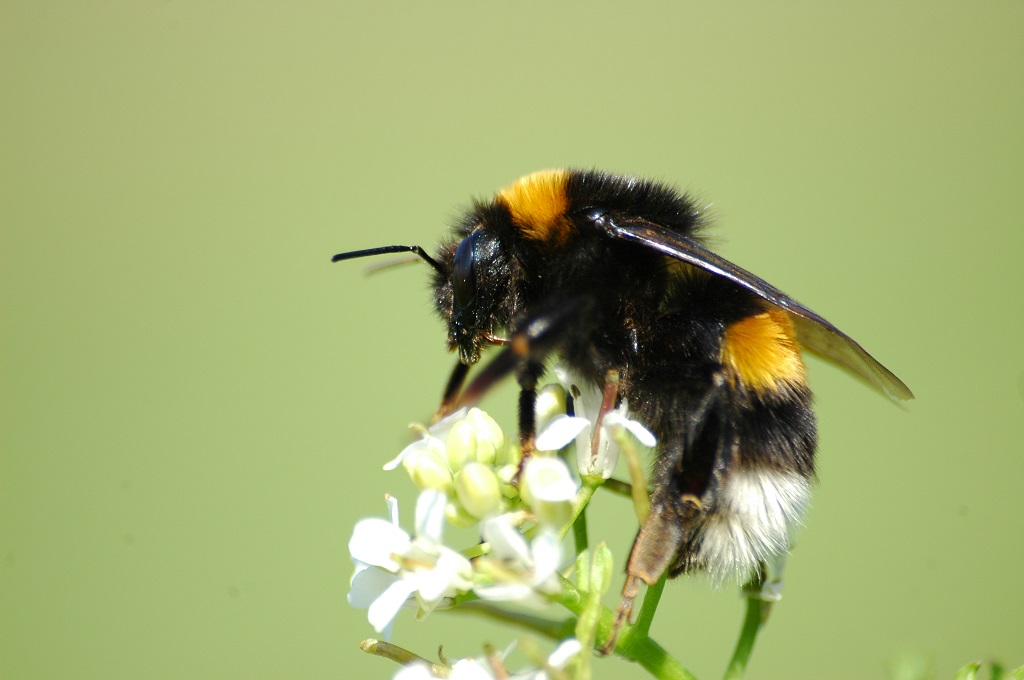
“Pollinators are vital for food security and our economy, and widespread losses of pollinators due to climate change will diminish both,” said University of Ottawa biologist Jeremy Kerr. “We need to figure out how we can improve the outlook for pollinators at continental scales, but the most important thing we can do is begin to take serious action to reduce the rate of climate change.”
Bumblebees are thus essential for agriculture. They help pollinate numerous cultures, such as tomatoes, blueberries, cherries, and clover. Bumblebees evolved under a cool climate and are relatively intolerant of heat. Extreme temperatures will kill them outright, whilst prolonged heat waves can dry up the food sources they rely on.
Researchers are still looking for the reasons why humblebees are not relocating north to save themselves. An “assisted migration” has been suggested, i.e. moving some humblebee population north, but this could have negative impacts on other pollinators.
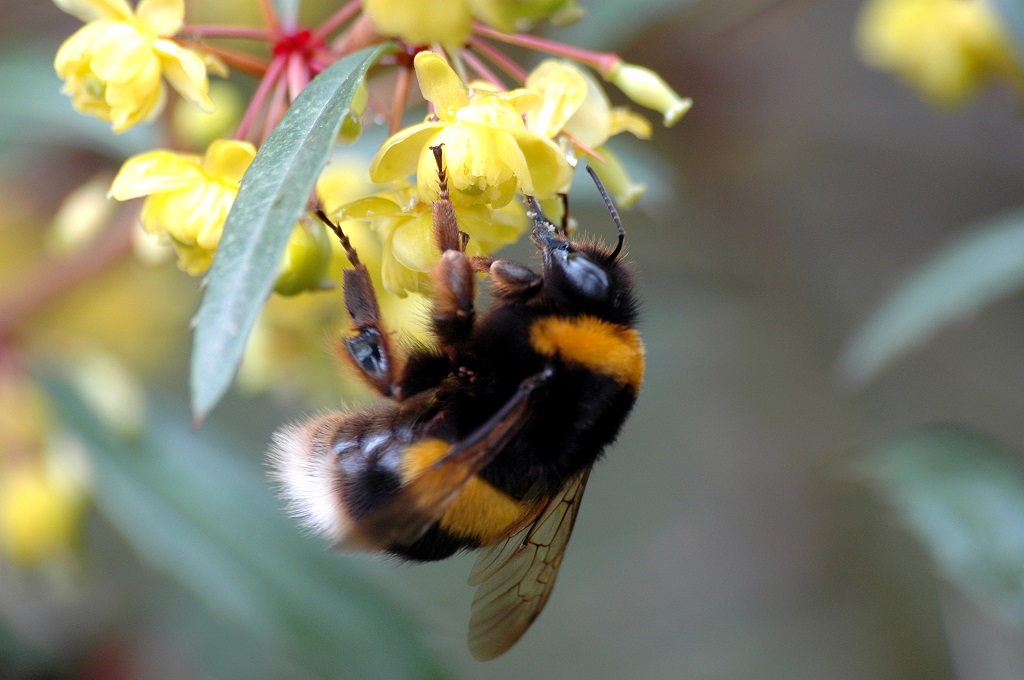
The only action that will certainly benefit humblebees’ future, and ours, is to effectively combat climate change.
Siamo anche su WhatsApp. Segui il canale ufficiale LifeGate per restare aggiornata, aggiornato sulle ultime notizie e sulle nostre attività.

Quest'opera è distribuita con Licenza Creative Commons Attribuzione - Non commerciale - Non opere derivate 4.0 Internazionale.
A report by the NGO network Climate Action Network proposes a series of concrete changes to revitalise the UN Climate Change Conferences.
Pescasseroli, in the heart of Italy’s Apennines, will host the IBA conference on bear conservation and human–bear coexistence. LifeGate will be the event’s media partner.
The inflation caused by extreme weather events is known as “climateflation”: prices for many food products are expected to rise sharply.
The toll is still provisional, but data collected across several European countries indicate that tens of thousands of people have died as a result of extreme heat.
Last February, Malaysia imposed a total ban on electronic waste imports. Yet toxic e-waste continues to arrive from the United States and other countries through illegal trafficking networks.
Although Earth Overshoot Day falls six days later than in 2025, this does not represent an improvement. The shift is the result of revised estimates of the oceans’ carbon absorption capacity, while humanity’s actual ecological footprint continues to grow.
Gigantic wildfires in France’s Gironde region and near Madrid, Spain, have devastated tens of thousands of hectares of vegetation.
Greece has launched a wildfire management system based on nanosatellites and artificial intelligence. A model that other countries are now looking to replicate.
According to analysts, the emergence of a “super” El Niño could trigger a global food price shock, adding to inflationary pressures already fuelled by the conflict with Iran.


