



Pescasseroli, in the heart of Italy’s Apennines, will host the IBA conference on bear conservation and human–bear coexistence. LifeGate will be the event’s media partner.
The district attorney of Illinois Lisa Madigan, pressed charges against Trump tower for having polluted the Chicago river, violating environmental laws.
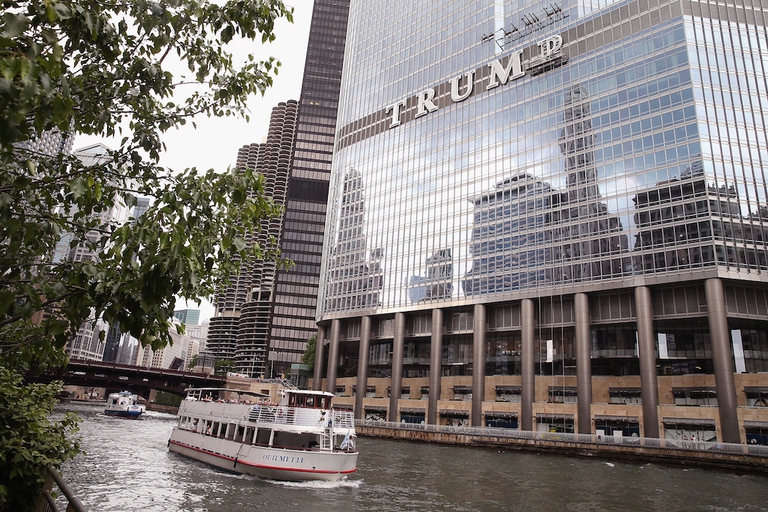
Donald Trump hasn’t stood out for his environmentally friendly decisions since he was elected president, but it seems that even in the role of entrepreneur the environment isn’t on his companies’ list of priorities. Lisa Madigan, Attorney General of the state of Illinois, has sued the Chicago skyscraper named after the president, the Trump International Hotel & Tower, for having extracted large amounts of water from the city’s river, polluting it and endangering its fish – without reporting on these activities, as required by law.
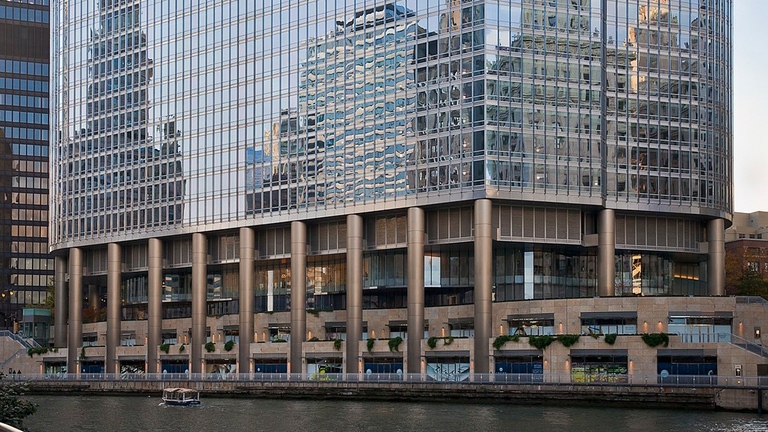
The structure was built in 2005 and in time it has become one of the most recognisable buildings of the city’s skyline, especially due to the writing “Trump” in huge letters on its side. Located on the Chicago River‘s shore, close to Lake Michigan, it’s home to a hotel, a congress centre, apartments and not long ago one of the few Michelin starred restaurants in Illinois’ principal city. Madigan’s accusations regard the use and discharge of the river’s waters.
Trump Tower continues to take millions of gallons of water from the Chicago River every day w/o a permit & w/o any regard to how it may be impacting the river’s ecosystem. I filed my lawsuit to make sure Trump Tower cannot continue violating the law. https://t.co/8YCk0b0s4M
— Lisa Madigan (@LisaMadigan) 15 agosto 2018
According to the charges, Trump’s hotel has been exploiting more than the permitted amount of water from the river. This is emitted into the cooling systems of all buildings next to river, but the Trump Tower has used an excessive amount – 75 million litres a day – without reporting this to the competent authorities, as required by federal law. In fact, according to the Clean Water Act, those who use very large amounts of water must document the impact of this activity on fish populations.
Furthermore, the skyscraper releases water that is too hot back into the waterway, its temperature 35 degrees Centigrade higher that when it’s withdrawn, and is therefore harmful to the fish that inhabit the river. In the past few years, the river’s flora and fauna have seen a return thanks to Chicago’s environmental policies, enabling citizens to rediscover the city’s nature and biodiversity. Furthermore, according to Madigan’s charges, the building has been operating without a license for water use for over a year.
Summer in the city take on a new dimension at @TrumpChicago! Rent bikes, go for a run, walk your dog, hear a concert or overlook it all from our new American restaurant #Terrace16 https://t.co/8VqXvcZUJi pic.twitter.com/0l80S0QAU0
— The Trump Organization (@Trump) 13 agosto 2018
Whilst hotel employees don’t seem too worried about the accusations and have continued to post content on social media, the Trump Organization, a group of approximately 500 companies owned by the head of the White House, has responded to the lawsuit filed by Madigan, a Democrat, accusing her of bias: “We’re disappointed that the Illinois attorney general would choose to file this suit considering such items are generally handled at the administrative level. One can only conclude that this decision was motivated by politics”.
The Chicago tribune underlines the fact that Madigan’s charges came at the behest of a report by the Illinois Environmental Protection Agency (IEPA), which is under the jurisdiction of governor Bruce Rauner, a Republican just like the president. The fine the Chicago Trump Tower will have to pay will go the latter’s office. But the real harm in Trump and his team’s view has probably much more to do about bad publicity than about finances.
Siamo anche su WhatsApp. Segui il canale ufficiale LifeGate per restare aggiornata, aggiornato sulle ultime notizie e sulle nostre attività.

Quest'opera è distribuita con Licenza Creative Commons Attribuzione - Non commerciale - Non opere derivate 4.0 Internazionale.
Pescasseroli, in the heart of Italy’s Apennines, will host the IBA conference on bear conservation and human–bear coexistence. LifeGate will be the event’s media partner.
The inflation caused by extreme weather events is known as “climateflation”: prices for many food products are expected to rise sharply.
The toll is still provisional, but data collected across several European countries indicate that tens of thousands of people have died as a result of extreme heat.
Last February, Malaysia imposed a total ban on electronic waste imports. Yet toxic e-waste continues to arrive from the United States and other countries through illegal trafficking networks.
Although Earth Overshoot Day falls six days later than in 2025, this does not represent an improvement. The shift is the result of revised estimates of the oceans’ carbon absorption capacity, while humanity’s actual ecological footprint continues to grow.
Gigantic wildfires in France’s Gironde region and near Madrid, Spain, have devastated tens of thousands of hectares of vegetation.
Greece has launched a wildfire management system based on nanosatellites and artificial intelligence. A model that other countries are now looking to replicate.
According to analysts, the emergence of a “super” El Niño could trigger a global food price shock, adding to inflationary pressures already fuelled by the conflict with Iran.
Residents of Kanseche, Malawi, accuse ABF of contributing to the devastating 2022 floods through its subsidiary, Illovo Sugar.


