


Pescasseroli, in the heart of Italy’s Apennines, will host the IBA conference on bear conservation and human–bear coexistence. LifeGate will be the event’s media partner.
The Australian government launched a plan for wiping out 2 million feral cats in order to try to save endangered native animals.
In Australia, over 100 species of marsupials, mammals characterised by the typical pouch, are threatened with extinction. The continent boasts a great number of endemic species, with unique evolutional histories, but, unfortunately, many of them are disappearing. Over the last two centuries, 29 species went extinct in Australia, representing the world’s worst extinction rate.
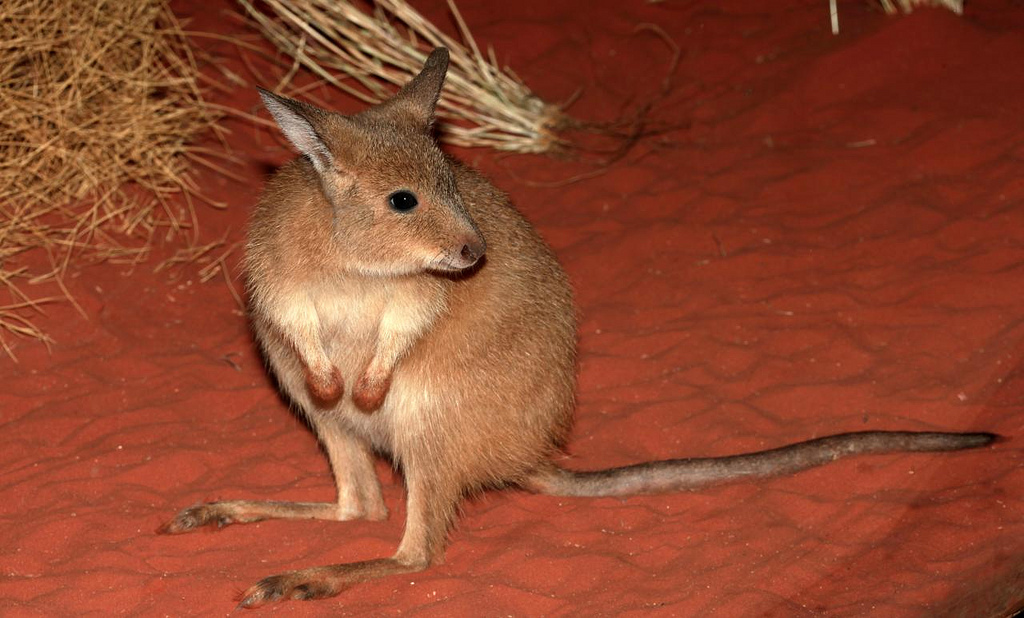
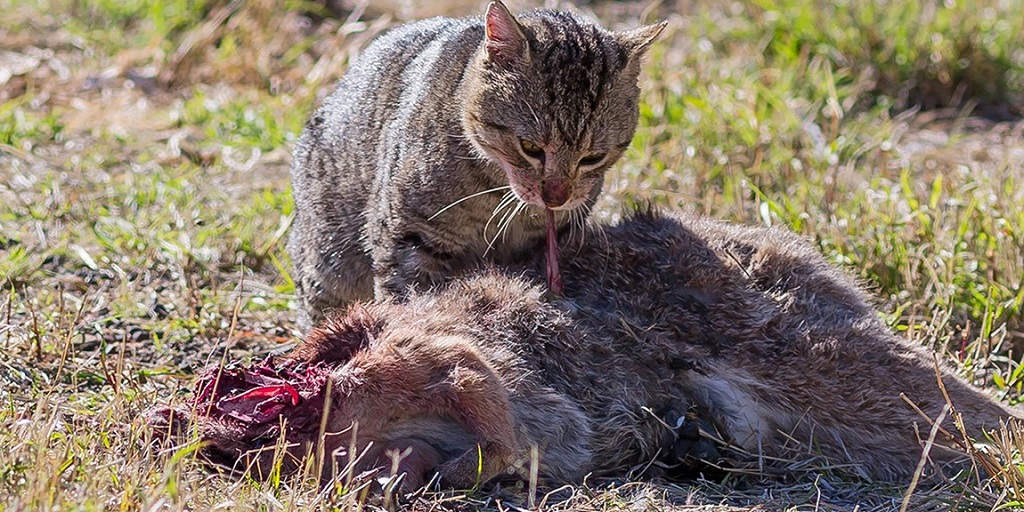
Among the causes of the decline there are cats, excellent predators the small marsupials were not ready to face. In fact, felines are not native to the island, but have been introduced by British colonists, they proliferated and grew wild.
It’s clear it’s not cats’ fault, they just follow their ancient instinct, sticking to their nature. Moreover, another determinant in the disappearance of the Australian fauna is habitat loss, factor that cannot be ascribable to cats.
The Australian government announced the launch of a 5-year project for the abatement of 2 million feral cats, aiming at reversing the rapid decline in local animals, including 20 mammal species and 20 bird species.
The Australian environment minister Greg Hunt presented the plan last Thursday in Melbourne, pledging to “halt and reverse the threats to our magnificent endemic species”.
The project identified 10 mammal species whose conservation is crucial. They are the numbat (Myrmecobius fasciatus), mala (Lagorchestes hirsutus), mountain pygmy-possum (Burramys parvus), greater bilby (Macrotis lagotis), golden bandicoot (Isoodon auratus), brush-tailed rabbit-rat (Conilurus penicillatus), eastern bettong (Bettongia gaimardi), western quoll (Dasyurus geoffroii), Kangaroo Island dunnart (Sminthopsis aitkeni), and eastern barred bandicoot (Perameles gunnii).
The minister guaranteed that cats will be wiped out “humanely” (without further explanations), and announced the institution of a large fenced habitat in order to contain part of the felines captured.
“I don’t want the extinction of such important native species on our collective consciences,” concluded Greg Hunt. However, if the government doesn’t firmly face habitat loss and fragmentation, it can wipe out all cats of the continent, but there will be no future for marsupials.
Siamo anche su WhatsApp. Segui il canale ufficiale LifeGate per restare aggiornata, aggiornato sulle ultime notizie e sulle nostre attività.

Quest'opera è distribuita con Licenza Creative Commons Attribuzione - Non commerciale - Non opere derivate 4.0 Internazionale.
Pescasseroli, in the heart of Italy’s Apennines, will host the IBA conference on bear conservation and human–bear coexistence. LifeGate will be the event’s media partner.
The inflation caused by extreme weather events is known as “climateflation”: prices for many food products are expected to rise sharply.
The toll is still provisional, but data collected across several European countries indicate that tens of thousands of people have died as a result of extreme heat.
Last February, Malaysia imposed a total ban on electronic waste imports. Yet toxic e-waste continues to arrive from the United States and other countries through illegal trafficking networks.
Although Earth Overshoot Day falls six days later than in 2025, this does not represent an improvement. The shift is the result of revised estimates of the oceans’ carbon absorption capacity, while humanity’s actual ecological footprint continues to grow.
Gigantic wildfires in France’s Gironde region and near Madrid, Spain, have devastated tens of thousands of hectares of vegetation.
Greece has launched a wildfire management system based on nanosatellites and artificial intelligence. A model that other countries are now looking to replicate.
According to analysts, the emergence of a “super” El Niño could trigger a global food price shock, adding to inflationary pressures already fuelled by the conflict with Iran.
Residents of Kanseche, Malawi, accuse ABF of contributing to the devastating 2022 floods through its subsidiary, Illovo Sugar.


