



A report by the NGO network Climate Action Network proposes a series of concrete changes to revitalise the UN Climate Change Conferences.
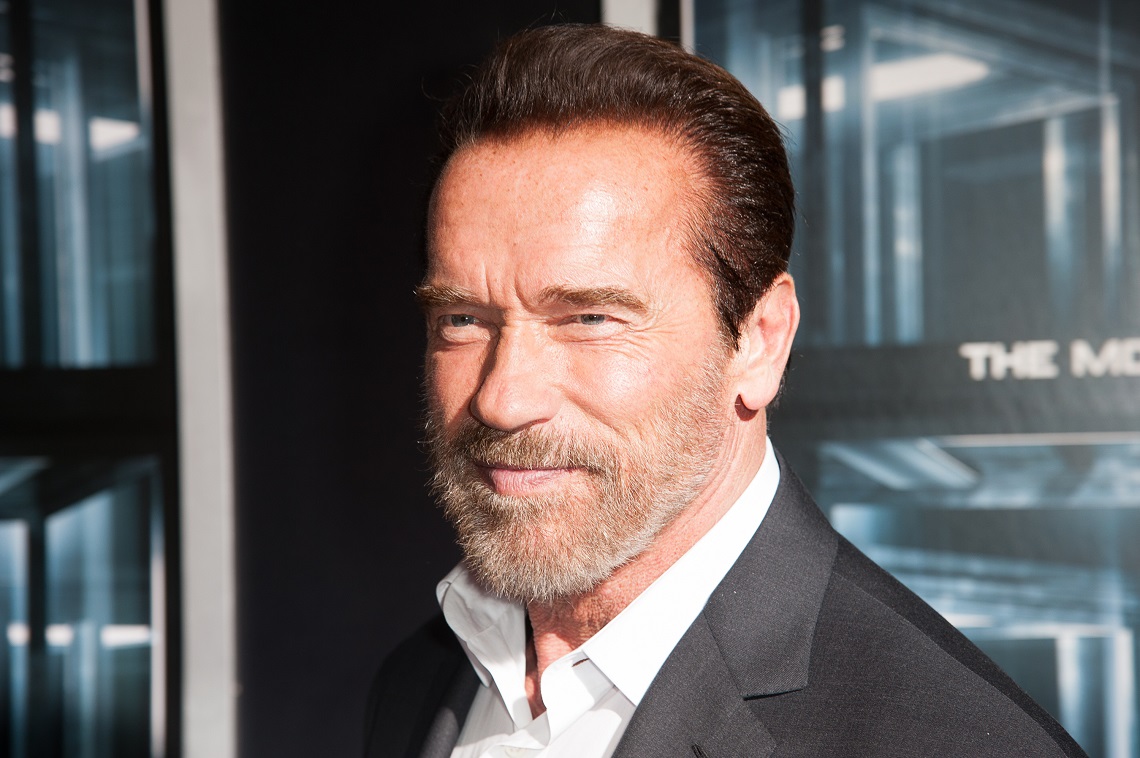
Arnold Schwarzenegger ha aderito alla campagna anti-bracconaggio “96 elephants” della Wildlife Conservation Society.
“Let’s get rid of the demand of ivory once and for all,” says Arnold Schwarzenegger. He then presses a detonator, exploding a tusk.
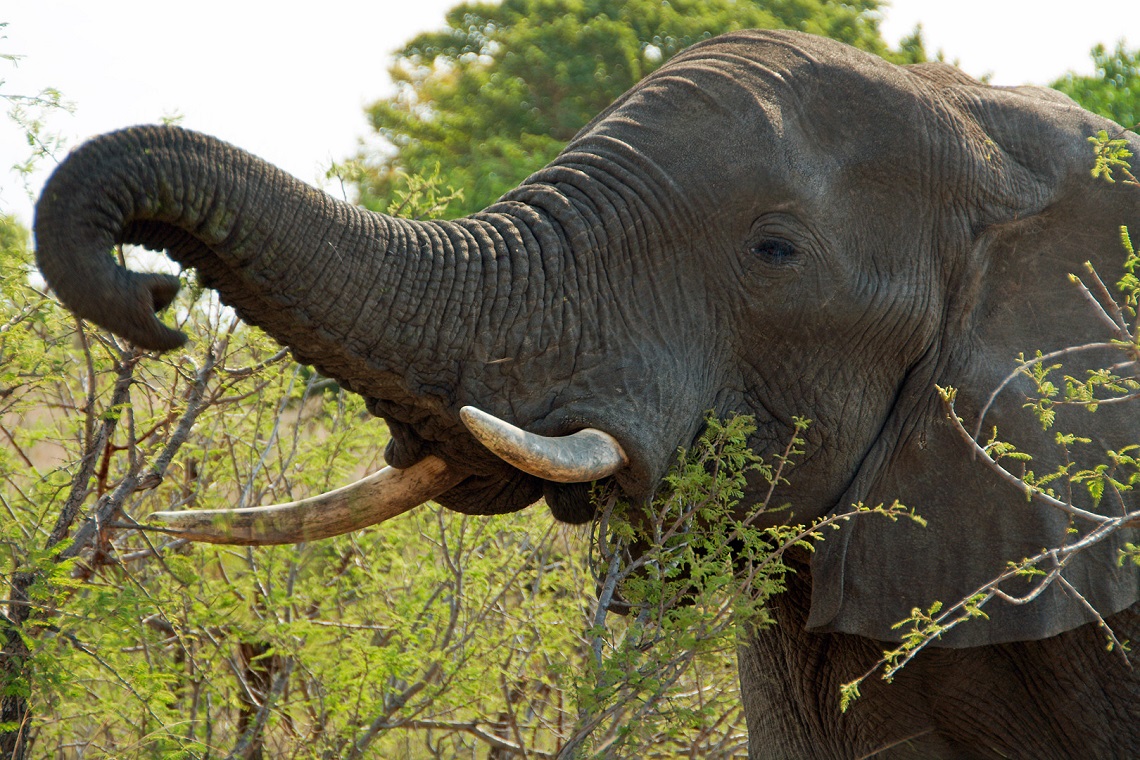
It is not an action movie, but a campaign against poaching and ivory trade. Schwarzenegger, movie star and former California governor, has lent his face to the 96 elephants campaign of the Wildlife Conservation Society (WCS), which aims to draw the attention on the massacre of African elephants (Loxodonta africana) that is putting the species on the brink of extinction.
The name of the initiative is due to a dramatic figure: in 2013, 96 elephants have been killed each day in Africa. The campaign aims to support laws against poaching, increase animal protection and raise the awareness of the public, shedding a light on the link between the purchase of ivory and the massacre of elephants.
The WCS is “hopeful that his global following of fans will become allies to stop the killing, stop the trafficking and stop the demand of ivory,” said John Calvelli, the campaign director.
So far, over 42 tonnes of illegal ivory have been destroyed in 2015 alone. The ivory was seized in China, the Democratic Republic of Congo, Ethiopia, Kenya, Mozambique, Thailand, United Arab Emirates, and United States.
Although ivory trade has been declared illegal in 1989, elephants continue to be killed for their tusks and could go extinct in less than 30 years. However, elephants have now a precious ally. “Watch out ivory poachers, now you got the Terminator mad”.
Siamo anche su WhatsApp. Segui il canale ufficiale LifeGate per restare aggiornata, aggiornato sulle ultime notizie e sulle nostre attività.

Quest'opera è distribuita con Licenza Creative Commons Attribuzione - Non commerciale - Non opere derivate 4.0 Internazionale.
A report by the NGO network Climate Action Network proposes a series of concrete changes to revitalise the UN Climate Change Conferences.
Pescasseroli, in the heart of Italy’s Apennines, will host the IBA conference on bear conservation and human–bear coexistence. LifeGate will be the event’s media partner.
The inflation caused by extreme weather events is known as “climateflation”: prices for many food products are expected to rise sharply.
The toll is still provisional, but data collected across several European countries indicate that tens of thousands of people have died as a result of extreme heat.
Last February, Malaysia imposed a total ban on electronic waste imports. Yet toxic e-waste continues to arrive from the United States and other countries through illegal trafficking networks.
Although Earth Overshoot Day falls six days later than in 2025, this does not represent an improvement. The shift is the result of revised estimates of the oceans’ carbon absorption capacity, while humanity’s actual ecological footprint continues to grow.
Gigantic wildfires in France’s Gironde region and near Madrid, Spain, have devastated tens of thousands of hectares of vegetation.
Greece has launched a wildfire management system based on nanosatellites and artificial intelligence. A model that other countries are now looking to replicate.
According to analysts, the emergence of a “super” El Niño could trigger a global food price shock, adding to inflationary pressures already fuelled by the conflict with Iran.


