



A report by the NGO network Climate Action Network proposes a series of concrete changes to revitalise the UN Climate Change Conferences.
With less than 100 individual surviving in the wild, the Sumatran rhino is likely to disappear. Tigers could become extinct in a decade, while Lonesome George, male Pinta Island tortoise that was the last known individual of the subspecies, died 2 years ago. We are witnessing animal and plant species disappearing at an alarming rate, so much so that
With less than 100 individual surviving in the wild, the Sumatran rhino is likely to disappear. Tigers could become extinct in a decade, while Lonesome George, male Pinta Island tortoise that was the last known individual of the subspecies, died 2 years ago.
We are witnessing animal and plant species disappearing at an alarming rate, so much so that scientists defined this phenomenon as the “sixth mass extinction” in history. Some species, with their peculiar beauty, are lost and gone forever and will only be admired in biology books. However, something could be done for other species.
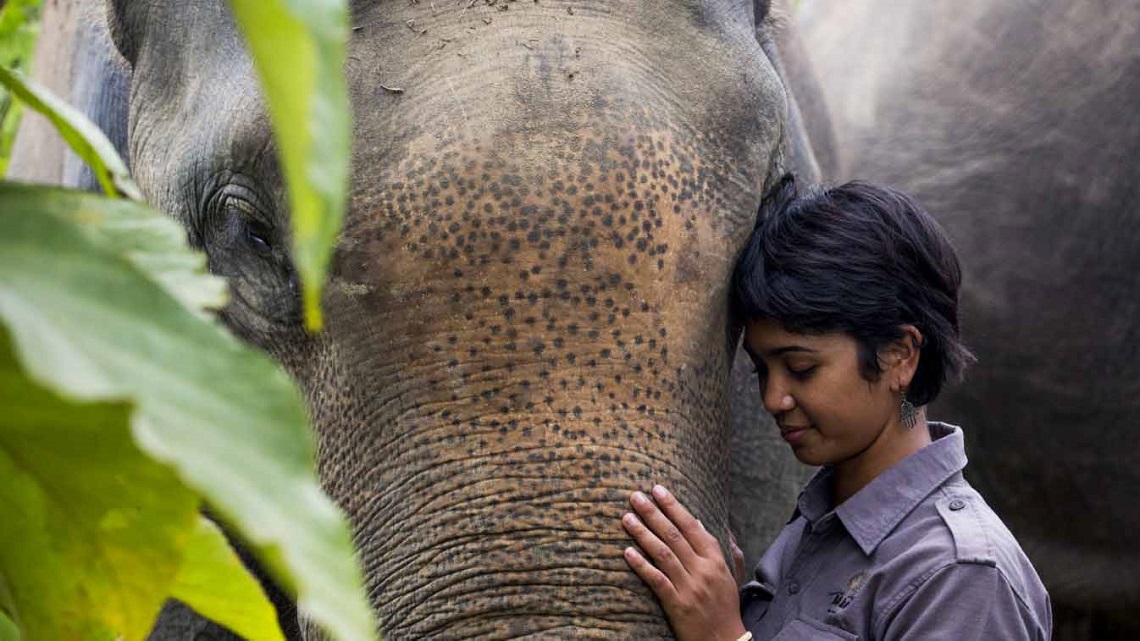
Luckily, some people decided to dedicate their life to protecting endangered species, including those less known to the general public. To honour their essential work aimed at safeguarding this precious, common heritage, the Whitley Awards have been established in 1994. They are often referred to as the Green Oscars for nature conservation.
They are organised by the Whitley Fund, UK-based non-profit organisation that supports conservation projects worldwide. The awards ceremony was held on the 27th of April at the Royal Geographic Society in London and the prizes were given by the Princess Royal, Anne. Seven conservationists, chosen from a pool of over 120 applicants from 53 countries, have been honoured for their “innovative conservation projects”.
The winners of the 2016 Whitley Awards are Gilbert Baase Adum from Ghana, Farwiza Farhan from Indonesia, Makala Jasper from Tanzania, Karau Kuna from Papua New Guinea, Muhammad Ali Nawaz from Pakistan, Alexander Rukhaia from Georgia, and Juliette Velosoa from Madagascar. They received £35,000 in project funding.
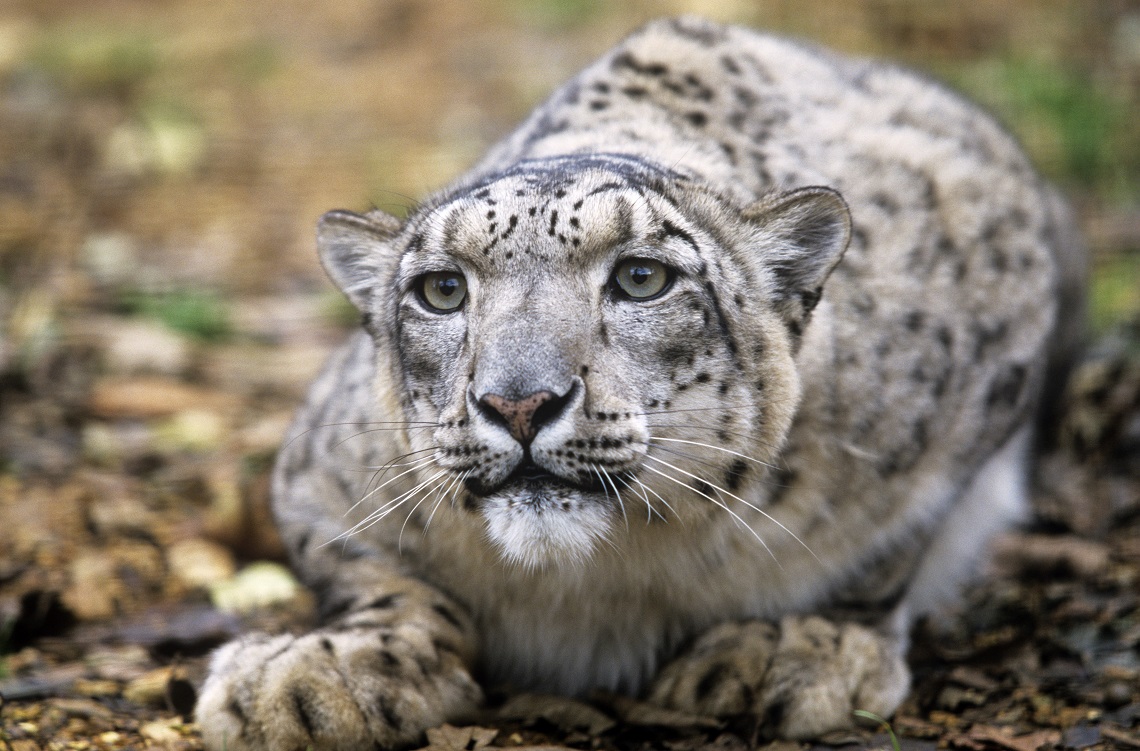
The seven winning conservationists work to protect a wide range of species and habitats, including the Matschie’s tree-kangaroo, the snow leopard, the Giant Squeaker Frog from Ghana, coastal forests, birds of prey, and a long-necked turtle of the family of Chelidae.
“Whitley Award winners are simply exceptional people – passionate individuals who are committed to achieving positive environmental impact and long-term conservation and community benefits,” said Sir David Attenborough, renowned English broadcaster and naturalist.
Siamo anche su WhatsApp. Segui il canale ufficiale LifeGate per restare aggiornata, aggiornato sulle ultime notizie e sulle nostre attività.

Quest'opera è distribuita con Licenza Creative Commons Attribuzione - Non commerciale - Non opere derivate 4.0 Internazionale.
A report by the NGO network Climate Action Network proposes a series of concrete changes to revitalise the UN Climate Change Conferences.
Pescasseroli, in the heart of Italy’s Apennines, will host the IBA conference on bear conservation and human–bear coexistence. LifeGate will be the event’s media partner.
Home to breathtaking views of the Cascade and Olympic Mountains and nestled between the waters of the Puget Sound, Ebey’s National Historical Reserve, located on Whidbey Island in the US state of Washington, is a thriving rural community, with a history of exploration and settlement. Originally populated by the Lower Skagit Native American tribe, land use has remained
The inflation caused by extreme weather events is known as “climateflation”: prices for many food products are expected to rise sharply.
The toll is still provisional, but data collected across several European countries indicate that tens of thousands of people have died as a result of extreme heat.
Last February, Malaysia imposed a total ban on electronic waste imports. Yet toxic e-waste continues to arrive from the United States and other countries through illegal trafficking networks.
Although Earth Overshoot Day falls six days later than in 2025, this does not represent an improvement. The shift is the result of revised estimates of the oceans’ carbon absorption capacity, while humanity’s actual ecological footprint continues to grow.
Gigantic wildfires in France’s Gironde region and near Madrid, Spain, have devastated tens of thousands of hectares of vegetation.
Greece has launched a wildfire management system based on nanosatellites and artificial intelligence. A model that other countries are now looking to replicate.


