




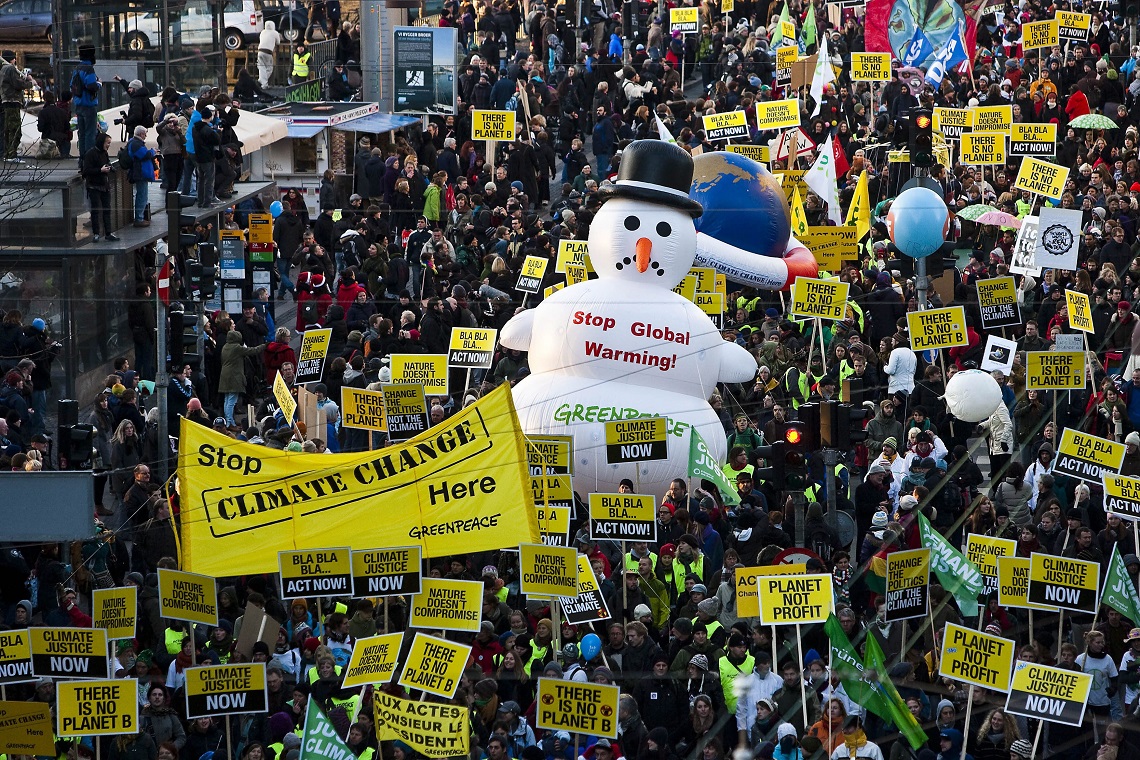

A report by the NGO network Climate Action Network proposes a series of concrete changes to revitalise the UN Climate Change Conferences.
Uno studio ha provato a calcolare il valore economico di animali, piante e servizi ecosistemici, con risultati sorprendenti.
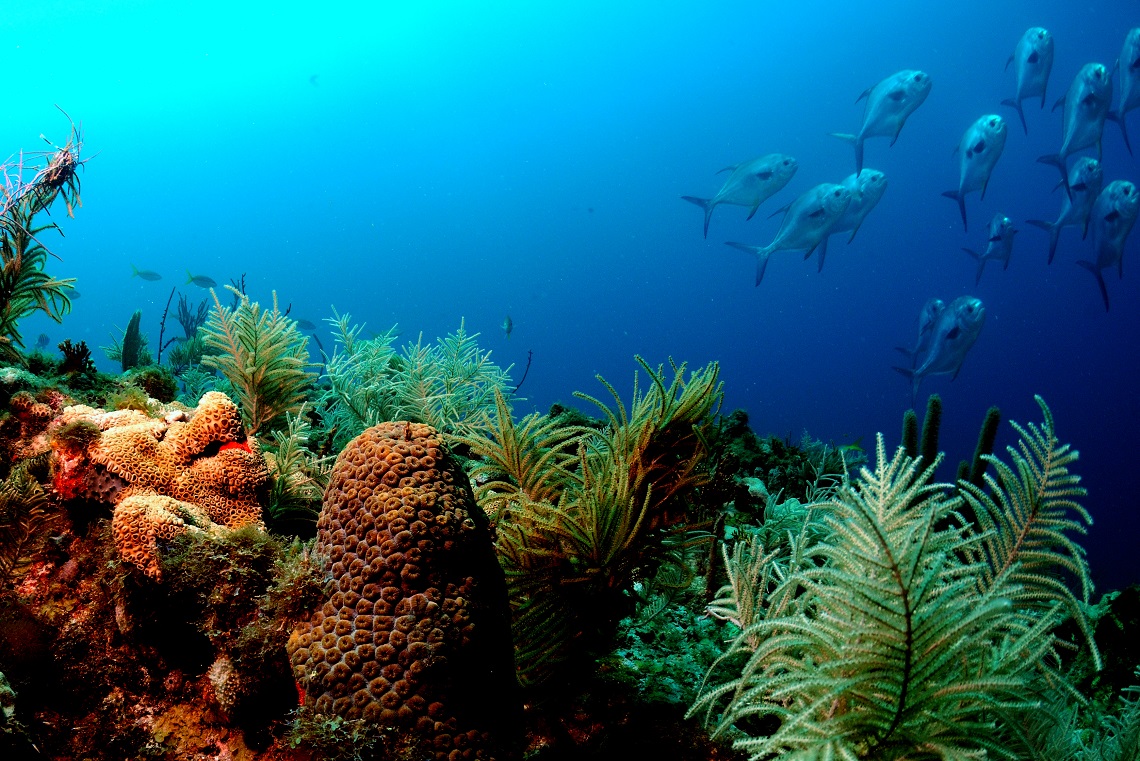
Plankton, a group of different species of protozoa, algae, bacteria, and eukaryotic organisms, is worth 222 billion dollars, i.e. more than the annual turnover of Apple, Microsoft, or Nestlé.
Assuming that price tags are good for objects but not for animals, plants, and mountains, nature cannot be just valued considering mere economic values. However, in a world that often focuses on money, it can be a useful tool to help remind us that nature does have a value, and what might be lost if aspects of it disappear.
For this reason, BBC Earth, network aimed to scientific divulgation, has realised the Earth Index, putting nature’s value in the stock exchange, published in the financial sections of the Wall Street Journal (US); Times (London); Singapore Business Times (Singapore) and the Economic Times (India) putting nature on the stock exchange for the first time.
The index has been calculated in collaboration with the British environmental specialist Tony Juniper, commissioning a scoping study from the United Nations Environment Programme World Conservation Monitoring Centre (UNEP-WCMC).
“We scoured the available research and data to find comparable figures to company stock listings and settled on the financial value delivered each year,” said Juniper. “What this unequivocally shows is the major contribution that nature makes to our health, wealth and security.”
Freshwater alone, for instance, is worth the entire global economy. Therefore, according to the Earth Index, the total aggregate value of the water-related services provided by Nature is presented as at equivalent to global GDP, i.e. about $73.48 trillion.
The value of trees is more than $16 trillion. Forests play an essential role to some 1.6 billion people, which subsistence depends on them. Moreover, trees are our major allies in reducing CO2.
Bees’ and other pollinators’ work, essential to agriculture and other functions, is worth 106 billion dollars, whilst a single colony has an annual value of 141 dollars. What about beavers? One individual of this funny rodent, which we might think it could not influence our lives, annually produces services worth 120,000 dollars, for its contribution to reduce the risks of flooding and improve water conservation.
The study aims to highlight practical and economic advantages deriving from natural resources, in a way that we can better understand the real impact climate change has on the long run on the natural capital.
If the environment was a listed company, brokers (us) would have the right to complain about the senseless natural resource management.
Siamo anche su WhatsApp. Segui il canale ufficiale LifeGate per restare aggiornata, aggiornato sulle ultime notizie e sulle nostre attività.

Quest'opera è distribuita con Licenza Creative Commons Attribuzione - Non commerciale - Non opere derivate 4.0 Internazionale.
A report by the NGO network Climate Action Network proposes a series of concrete changes to revitalise the UN Climate Change Conferences.
Pescasseroli, in the heart of Italy’s Apennines, will host the IBA conference on bear conservation and human–bear coexistence. LifeGate will be the event’s media partner.
The inflation caused by extreme weather events is known as “climateflation”: prices for many food products are expected to rise sharply.
The toll is still provisional, but data collected across several European countries indicate that tens of thousands of people have died as a result of extreme heat.
Last February, Malaysia imposed a total ban on electronic waste imports. Yet toxic e-waste continues to arrive from the United States and other countries through illegal trafficking networks.
Although Earth Overshoot Day falls six days later than in 2025, this does not represent an improvement. The shift is the result of revised estimates of the oceans’ carbon absorption capacity, while humanity’s actual ecological footprint continues to grow.
Gigantic wildfires in France’s Gironde region and near Madrid, Spain, have devastated tens of thousands of hectares of vegetation.
Greece has launched a wildfire management system based on nanosatellites and artificial intelligence. A model that other countries are now looking to replicate.
According to analysts, the emergence of a “super” El Niño could trigger a global food price shock, adding to inflationary pressures already fuelled by the conflict with Iran.


