

The measure is part of the new EU Ecodesign Regulation, which came into force on 19 July and requires greater transparency and better inventory management from companies.
Building a house that generates the hydraulic and electrical energy it needs to be completely self-sufficient is finally possible. That’s what a team of Dutch researchers demonstrated by starting the Sustainer Homes project, the container house exclusively fuelled with renewable energy. It’s a mobile house of 30 square metres realised thanks to the recycling
Building a house that generates the hydraulic and electrical energy it needs to be completely self-sufficient is finally possible. That’s what a team of Dutch researchers demonstrated by starting the Sustainer Homes project, the container house exclusively fuelled with renewable energy.
It’s a mobile house of 30 square metres realised thanks to the recycling of old containers for transporting goods, restored with eco-friendly materials. For the interiors recycled structures were used only: the walls are entirely covered with panels from farming waste and, later, painted with a non-toxic paint based on linseed oil.
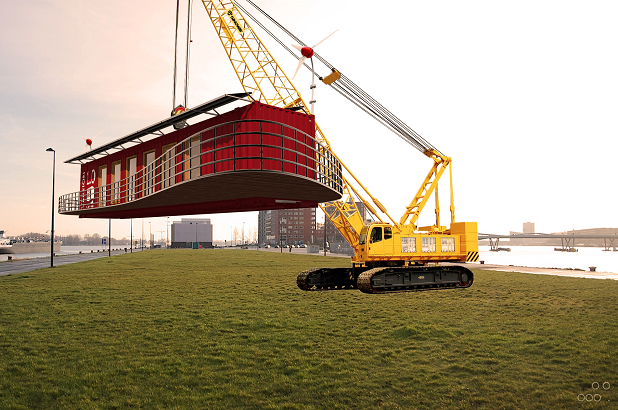
But not only is this building sustainable for its architecture, even the hydraulic, electrical and heating system are the cutting edge of technology. Actually, the Sustainer Home is equipped with a photovoltaic and a wind plant that generate up to 5 thousand k/W yearly and preserve exceeding energy for the periods when sun and wind are short; moreover, thanks to a purification system placed on the roof, the house can collect the rain and turn it into drinkable water and clean waste water before it dissolves into the ground.
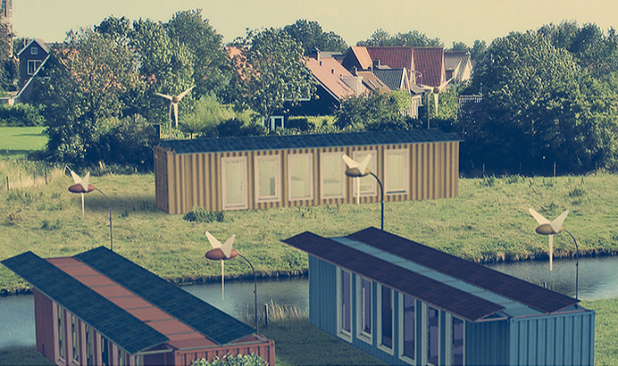
Living in a container house such as the one tested in the Netherlands has many – also financial – benefits: since it is self-sufficient, the user doesn’t need to pay the water, electricity and heating bills but should just pay the price of the property that is about 75 thousand euros.
The project of the Dutch start-up represents the first successful attempt to create a real comfortable building with minimal environmental impact.
Siamo anche su WhatsApp. Segui il canale ufficiale LifeGate per restare aggiornata, aggiornato sulle ultime notizie e sulle nostre attività.

Quest'opera è distribuita con Licenza Creative Commons Attribuzione - Non commerciale - Non opere derivate 4.0 Internazionale.
The measure is part of the new EU Ecodesign Regulation, which came into force on 19 July and requires greater transparency and better inventory management from companies.
If women tend to feel colder than men for air conditioning, it’s largely because of a thermal comfort standard established sixty years ago.
Copenhagen ranks first in the 2026 Global Liveability Index, followed by Vienna and Melbourne. Among the cities recording the greatest improvement in quality of life is New York.
Niseko, Toya-Usu and Shiraoi are three Hokkaido destinations for travellers who want to feel close to the communities they’re visiting.
We talked to World Happiness Summit organiser Karen Guggenheim about the connection between the planet’s health and our happiness.
The new generation of high-performance wood materials offers unexpected hi-tech possibilities to the worlds of design and architecture.
A group of experts in Tokyo suggested pouring radioactive water from Fukushima into the open sea. A marine biochemist explains the consequences of this absurd decision.
By recovering clothes discarded in the West, Togolese designer Amah Ayiv gives them new life through his high fashion creations.
All catwalks in July will be broadcast online: after Paris, it’s Milan Digital Fashion Week’s turn. And the biggest beneficiary is the environment.