



A report by the NGO network Climate Action Network proposes a series of concrete changes to revitalise the UN Climate Change Conferences.
Milan has something to teach other European cities, so much so that it has drawn the attention of New York’s administration. The Italian city is only behind Vienna in terms of efficiency in waste recycling.
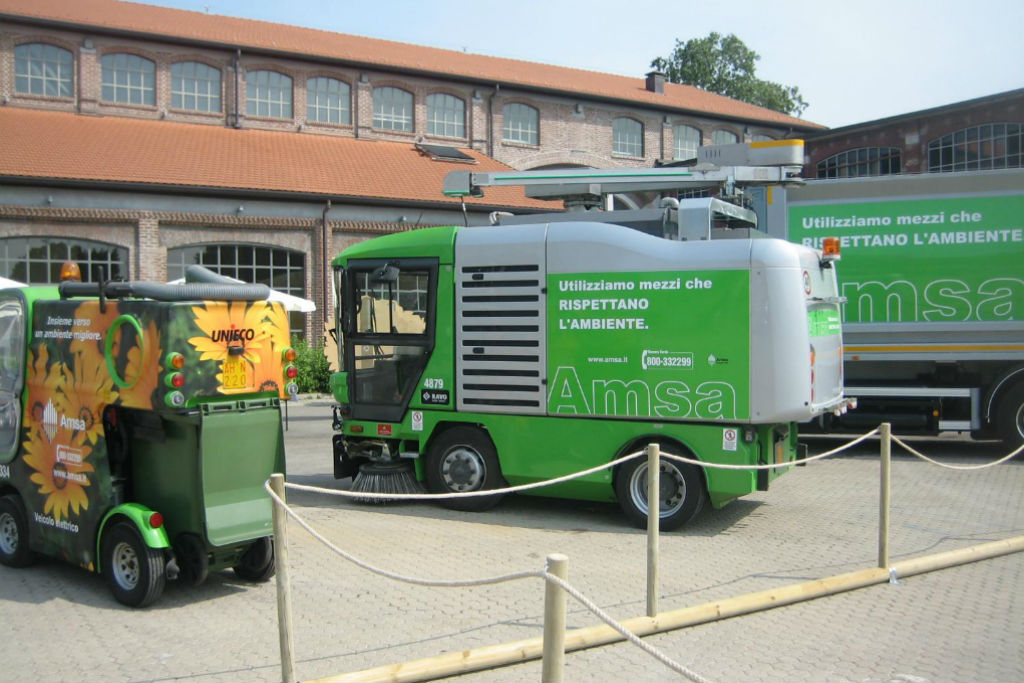
54 percent of the waste generated in Milan is recycled and the city aims to reach 65 percent in the next years. Smart bins, collection of wet waste in open-air markets and purchase of new eco-friendly means are only some of the proposals made by the council led by newly-elected Mayor Giuseppe Sala to improve recycling in the city.
This was revealed during the event “Milan Recycle City. From waste to resources: Milan meets New York”, which saw the delegations of the two cities explore the topics of garbage disposal and recycling with the use of a Dutch Application of Reusing products. According to estimates, Milan is Europe’s second best recycling city after Vienna.
According to AMSA, recycled waste accounts for 54 percent of all waste generated in the first six months of 2016, and increased by 2 percent compared to the same period of 2015. “Organic waste leads the way, rising to 7 percent compared to 2016 levels”, AMSA explains.
“New York aims to send zero waste to landfills by 2030”, said Dennis Diggins, NYC Sanitation First Deputy Commissioner, during the event. How? Banning plastic bags and not sending electronic waste to landfills.
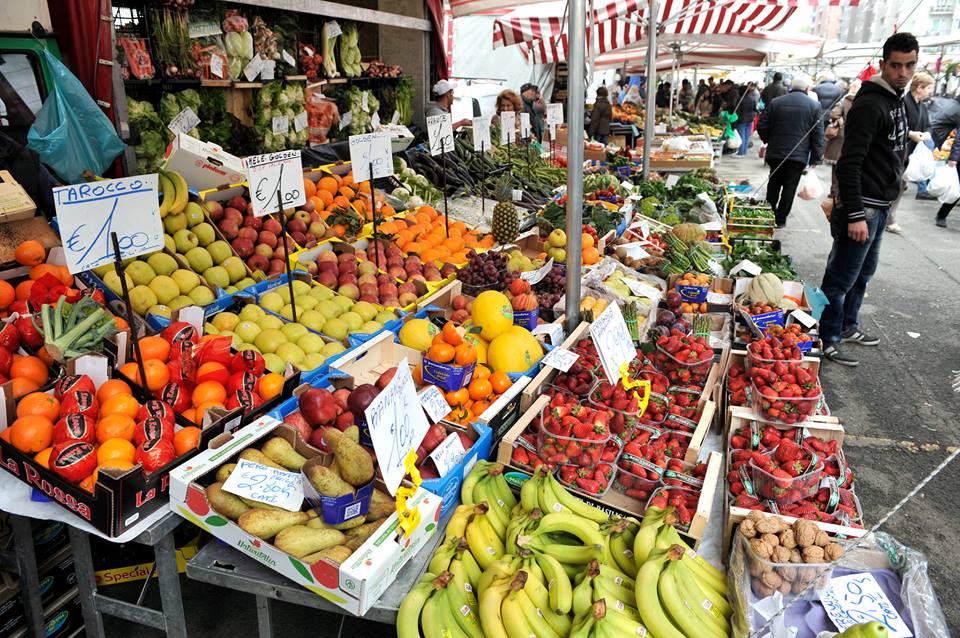
Mauro De Cillis, AMSA’s Operations Manager stated that: “In open-air markets we’ve been trying to collect organic waste for a few months. We’re trying to remove organic waste at the source so that only the residues remain and the collection of organic waste improves”.
That’s not all. To encourage further the citizens to recycle their domestic waste: “We will try to reduce waste disposal rates”, De Cillis said. Waste is currently collected twice a week, in the future it will be collected just once.
Siamo anche su WhatsApp. Segui il canale ufficiale LifeGate per restare aggiornata, aggiornato sulle ultime notizie e sulle nostre attività.

Quest'opera è distribuita con Licenza Creative Commons Attribuzione - Non commerciale - Non opere derivate 4.0 Internazionale.
A report by the NGO network Climate Action Network proposes a series of concrete changes to revitalise the UN Climate Change Conferences.
Pescasseroli, in the heart of Italy’s Apennines, will host the IBA conference on bear conservation and human–bear coexistence. LifeGate will be the event’s media partner.
The inflation caused by extreme weather events is known as “climateflation”: prices for many food products are expected to rise sharply.
The toll is still provisional, but data collected across several European countries indicate that tens of thousands of people have died as a result of extreme heat.
Last February, Malaysia imposed a total ban on electronic waste imports. Yet toxic e-waste continues to arrive from the United States and other countries through illegal trafficking networks.
Although Earth Overshoot Day falls six days later than in 2025, this does not represent an improvement. The shift is the result of revised estimates of the oceans’ carbon absorption capacity, while humanity’s actual ecological footprint continues to grow.
Gigantic wildfires in France’s Gironde region and near Madrid, Spain, have devastated tens of thousands of hectares of vegetation.
Greece has launched a wildfire management system based on nanosatellites and artificial intelligence. A model that other countries are now looking to replicate.
According to analysts, the emergence of a “super” El Niño could trigger a global food price shock, adding to inflationary pressures already fuelled by the conflict with Iran.


