




Pescasseroli, in the heart of Italy’s Apennines, will host the IBA conference on bear conservation and human–bear coexistence. LifeGate will be the event’s media partner.
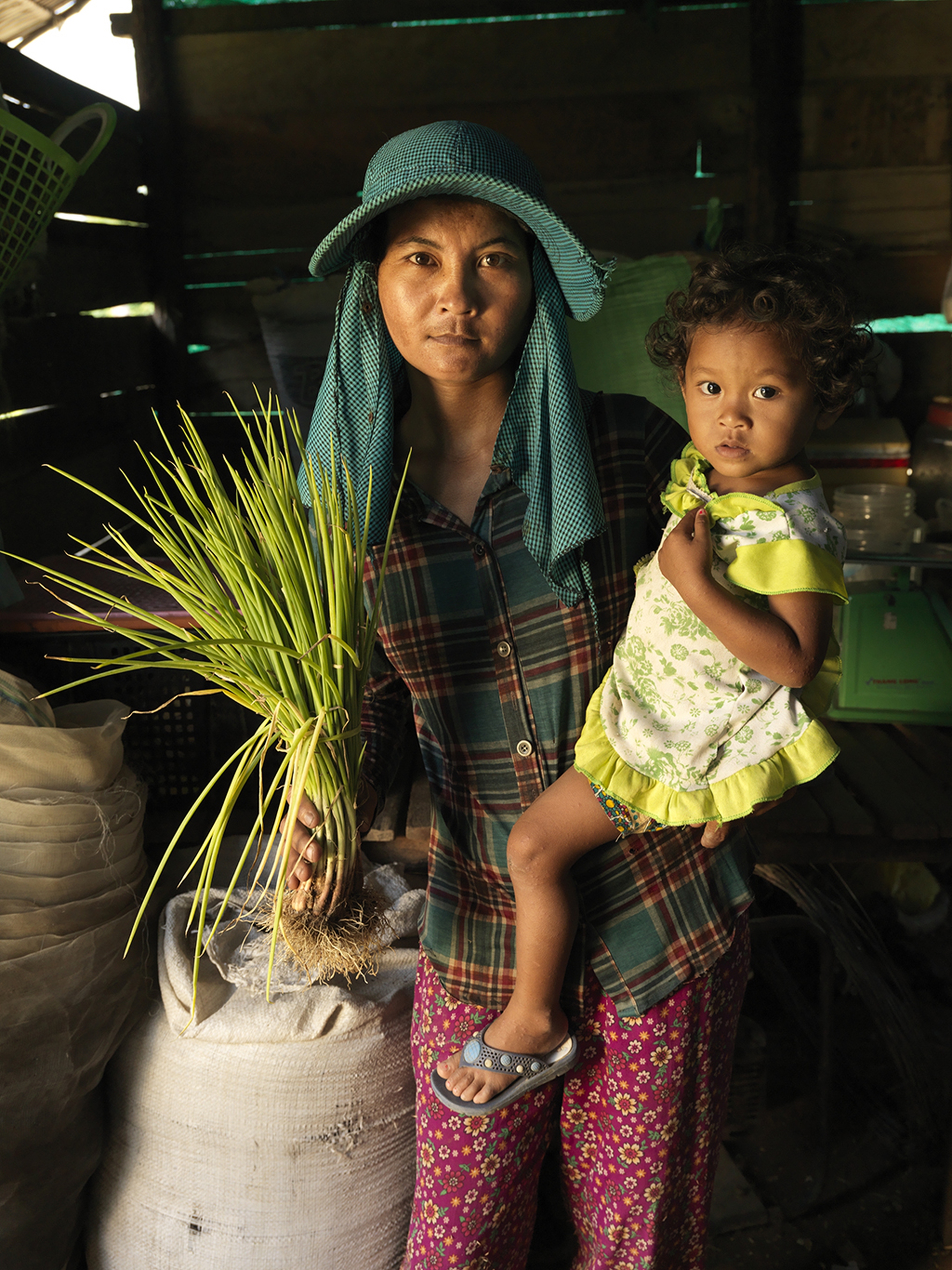
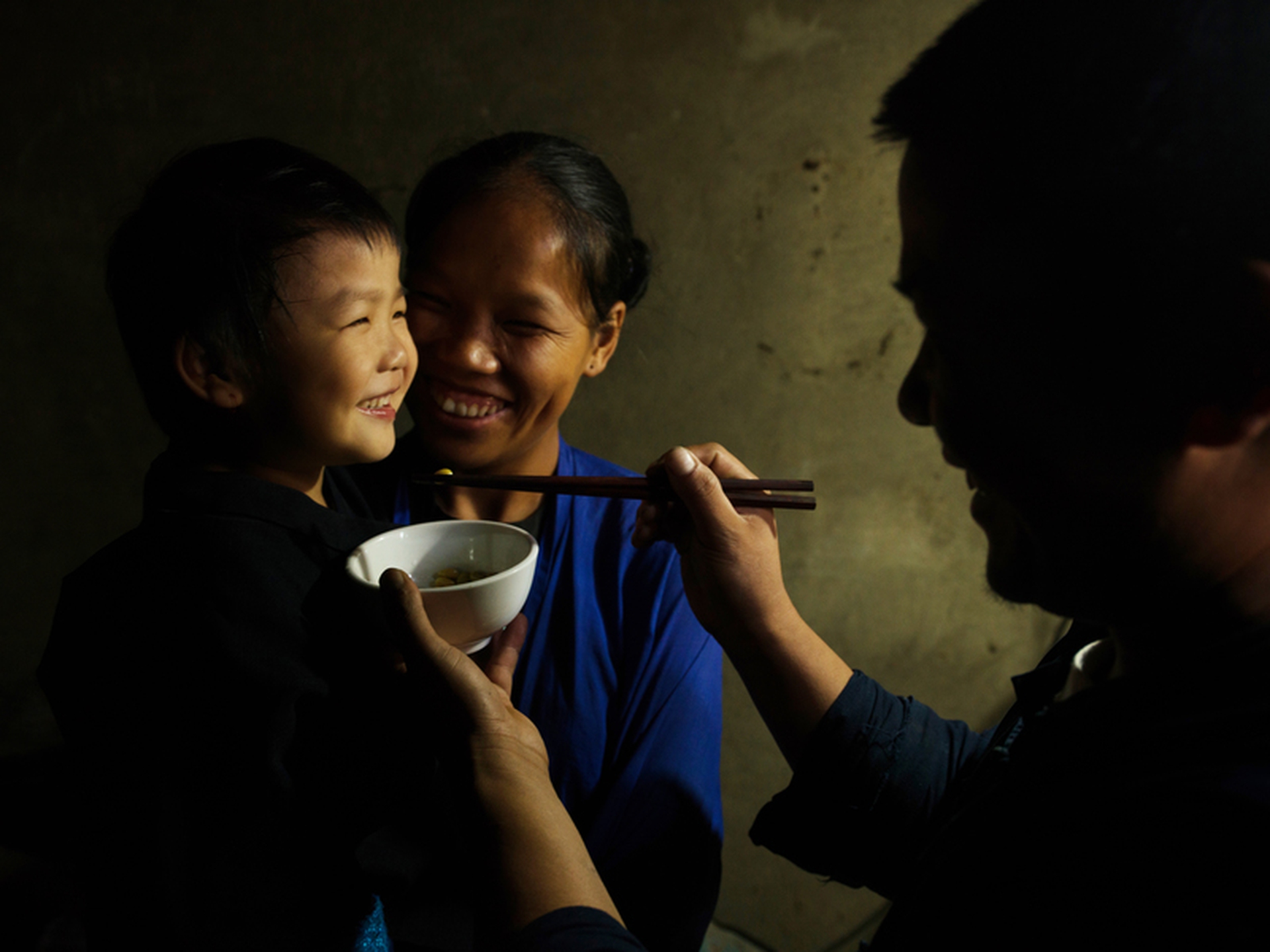
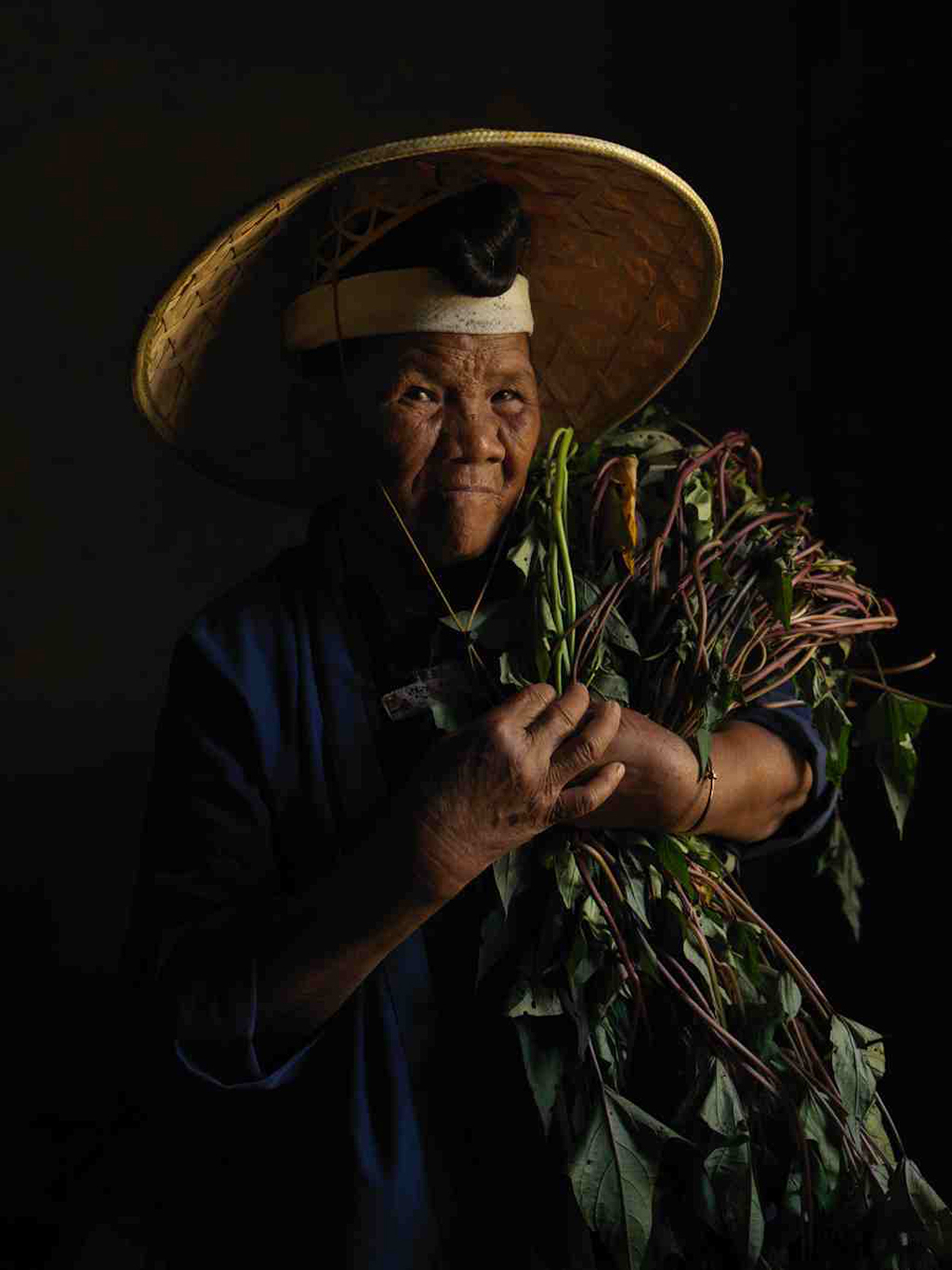
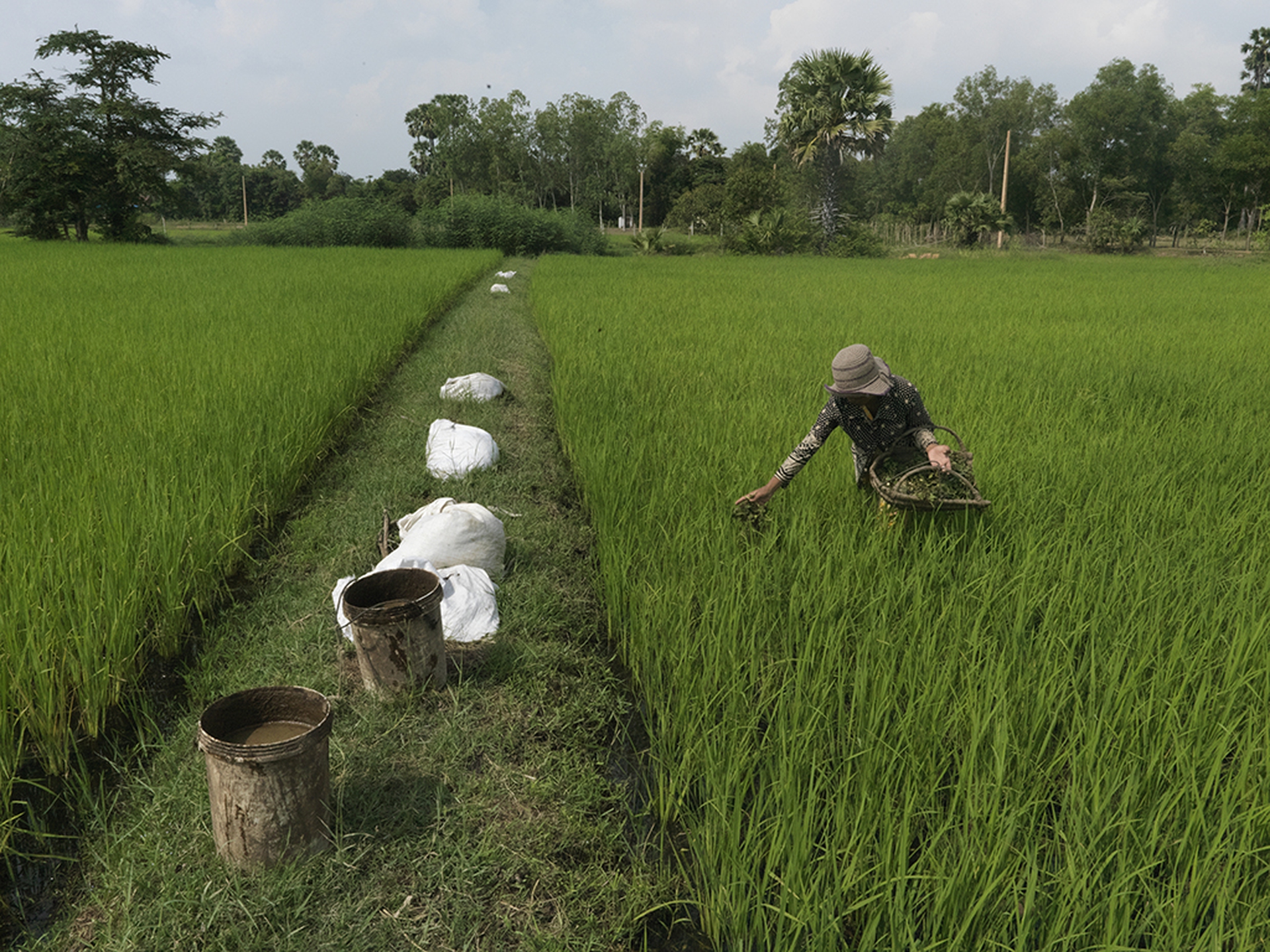
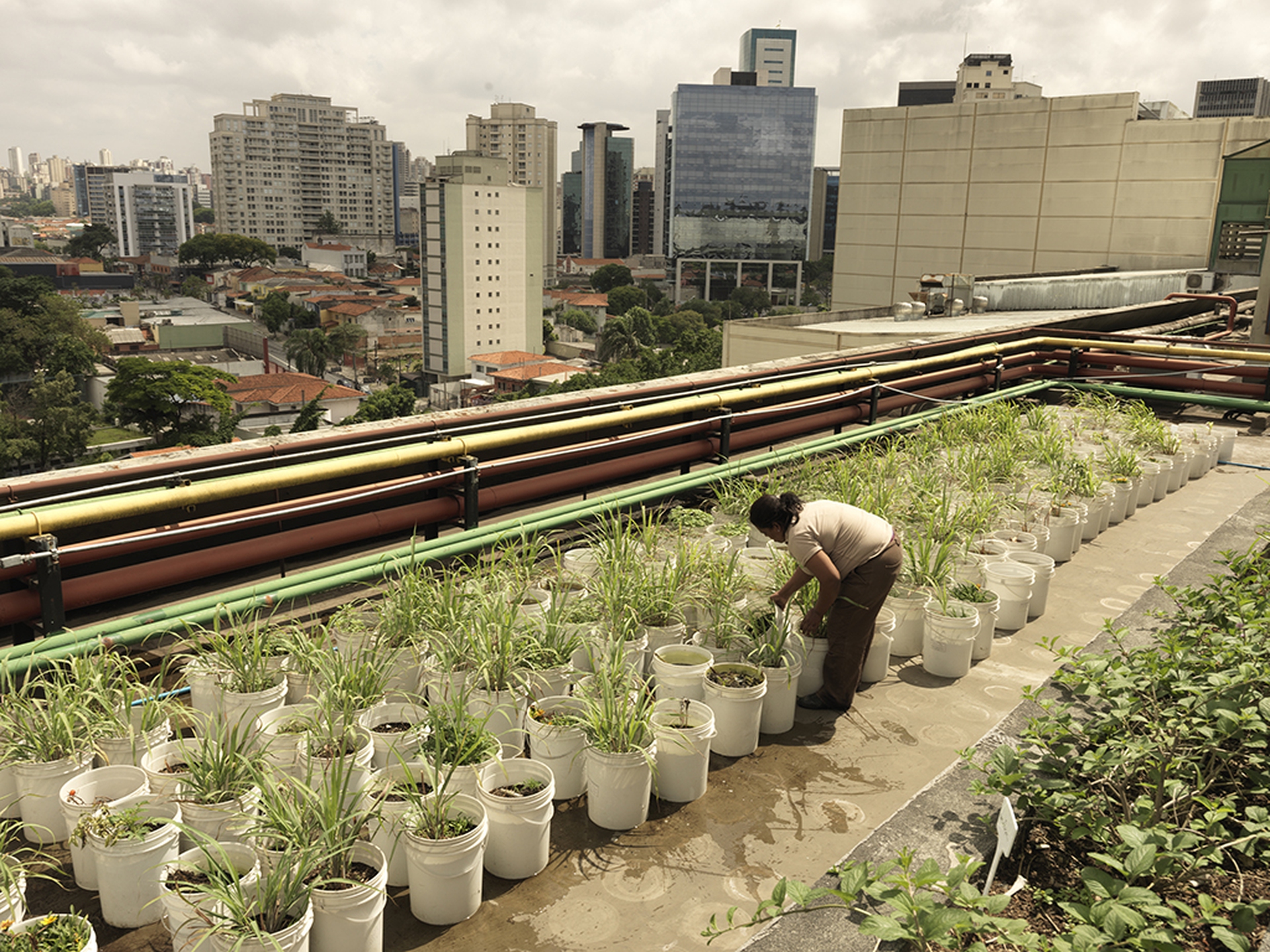
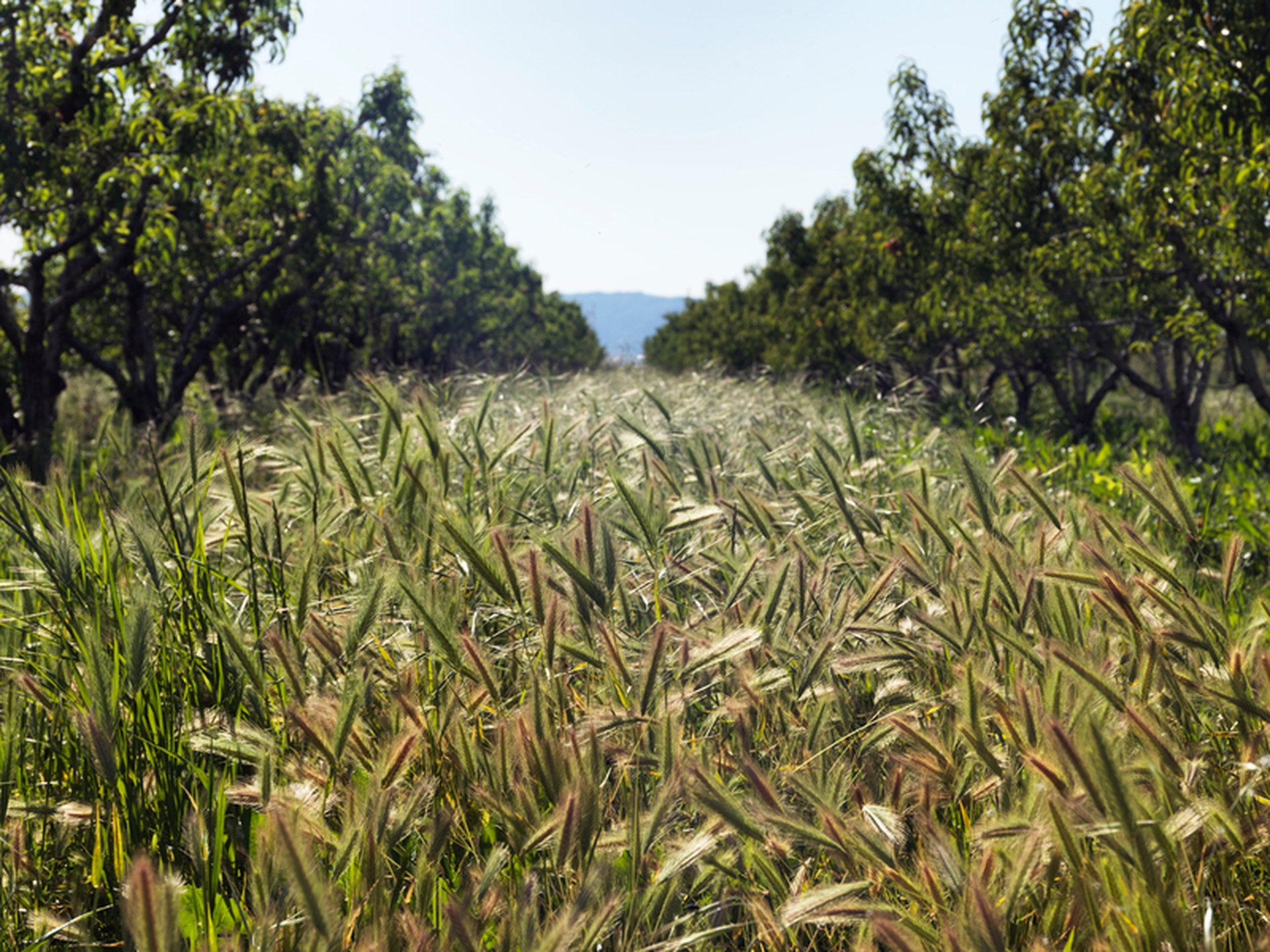
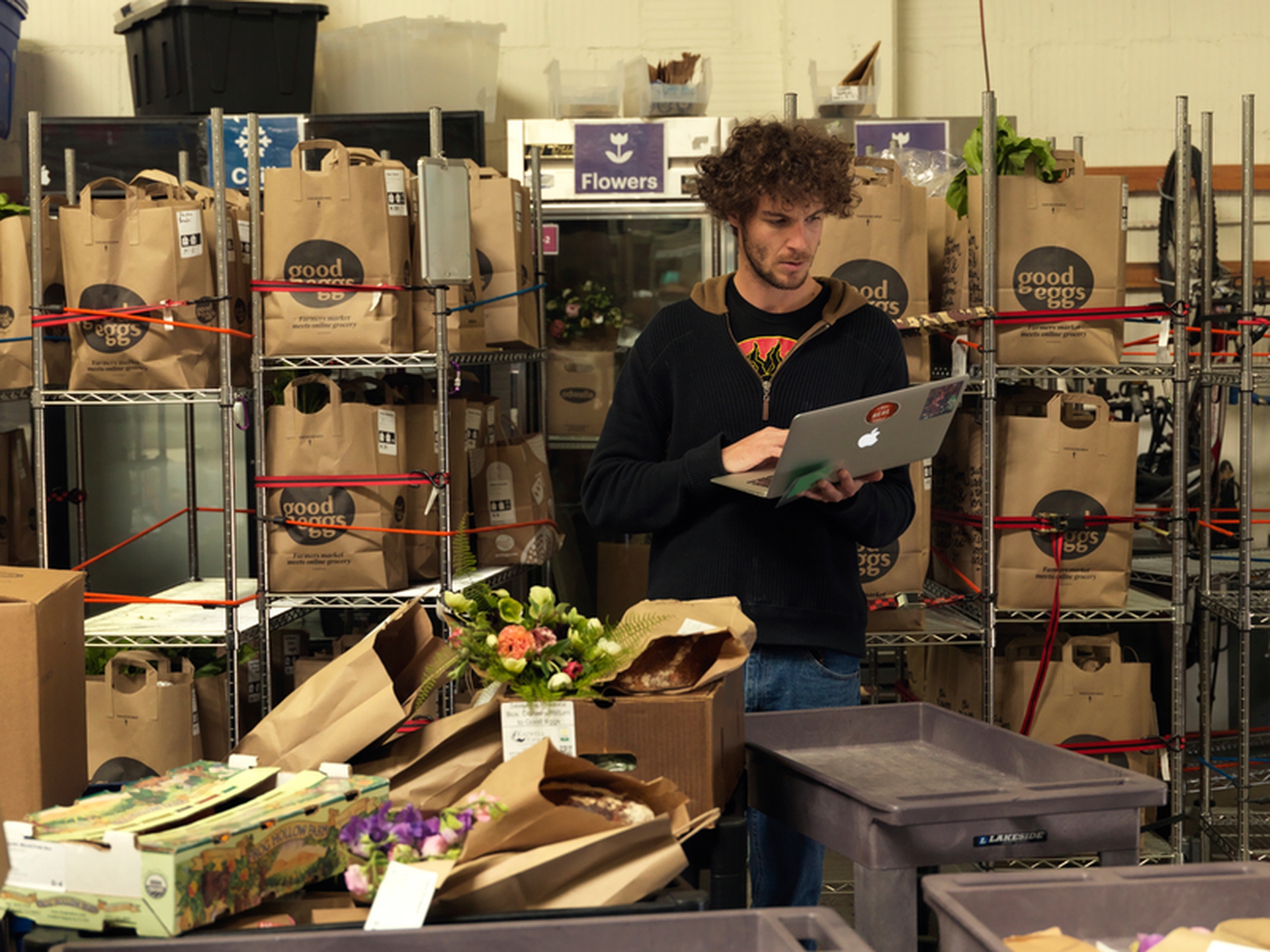
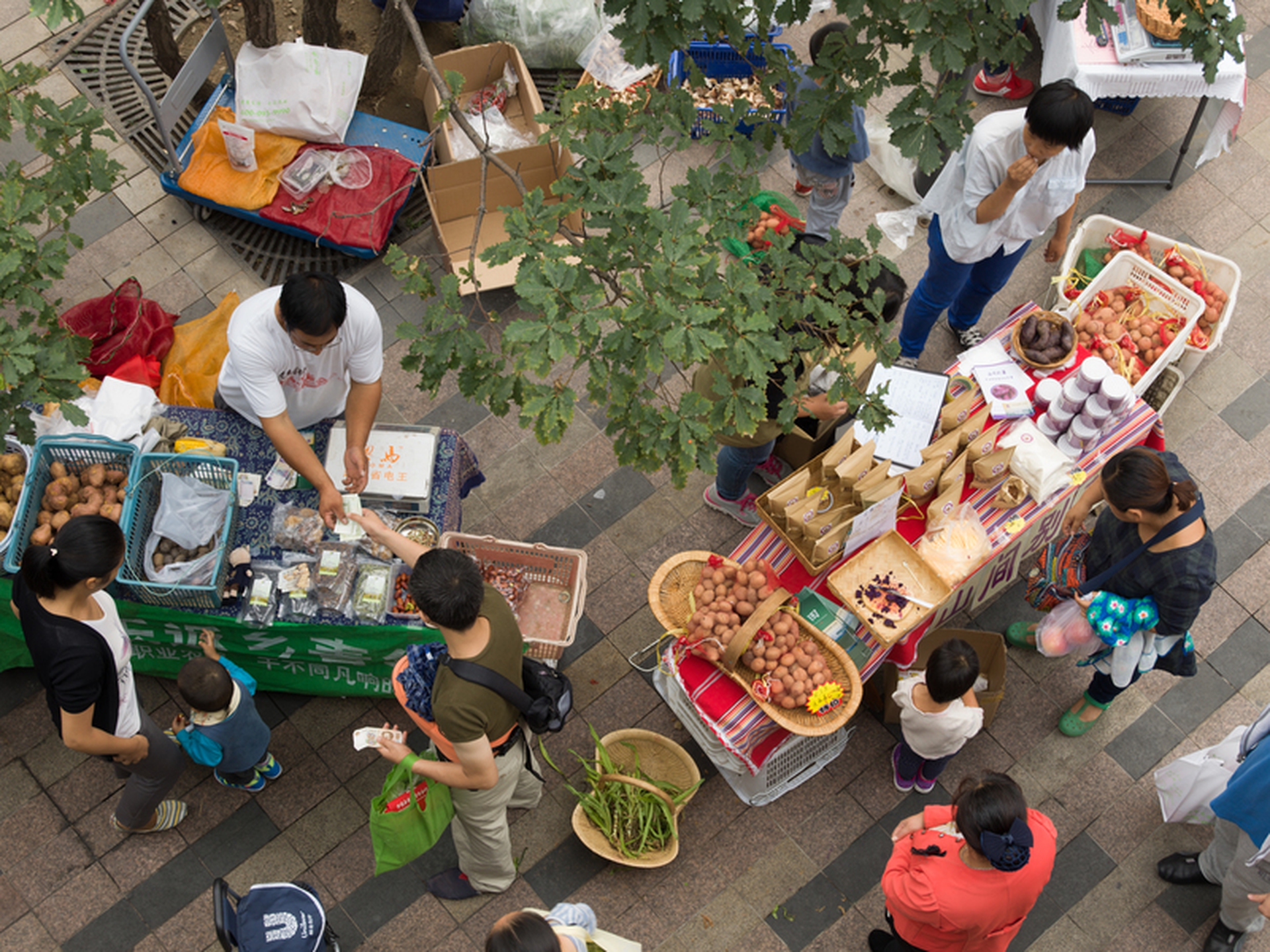
From 15 October in Milan there will be a photographic exhibition featuring a selection of twenty pictures taken by Peter Canton that show that it’s possible to grow (and eat) crops without polluting.
In view of the Nutrition National Day on 16 October, Greenpeace advocates sustainable farming and denounces the disastrous industrial farming system based on monocrops – which result in soil destruction and loss of biodiversity – and massive use of pesticides and GM crops.
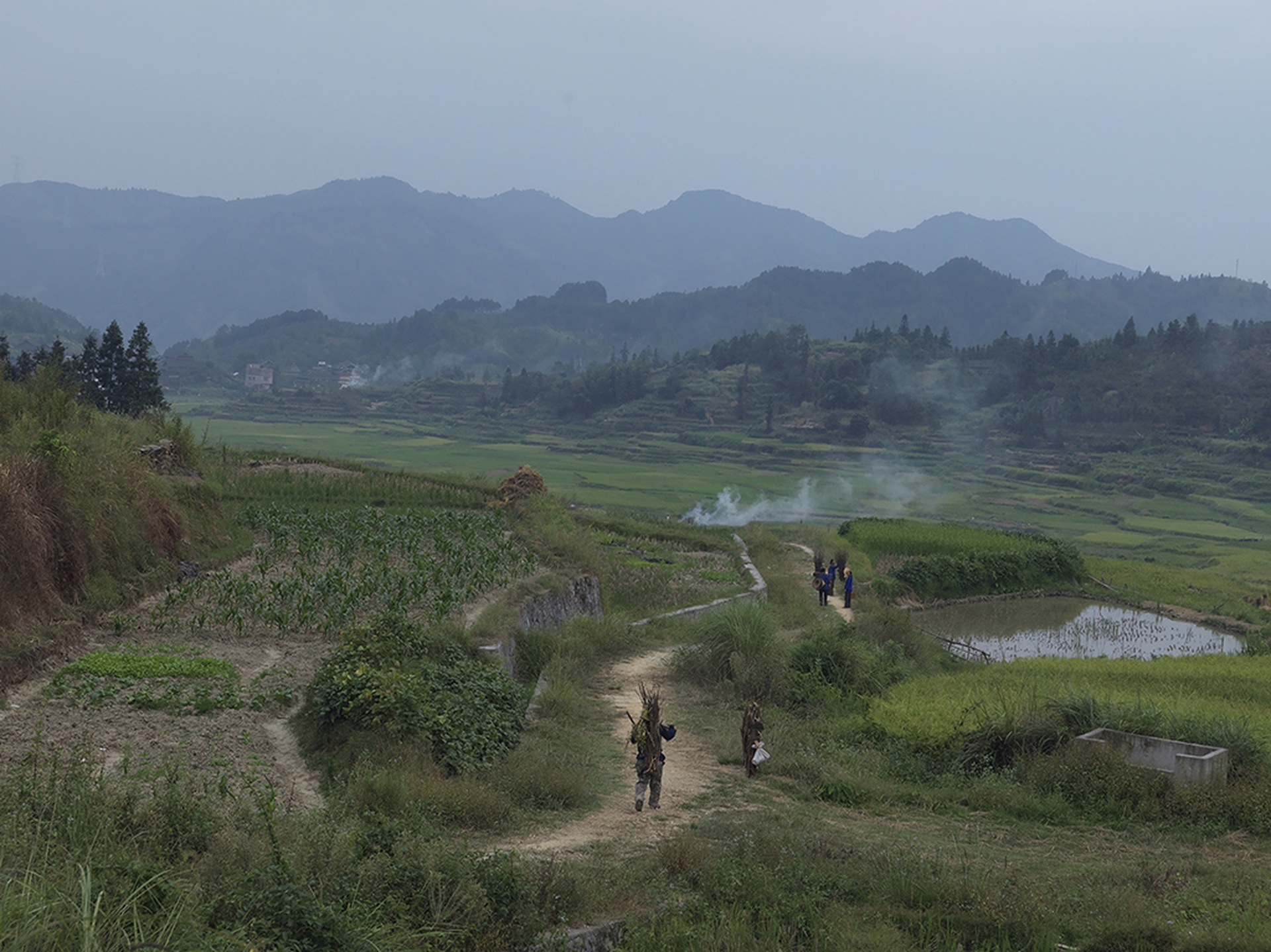
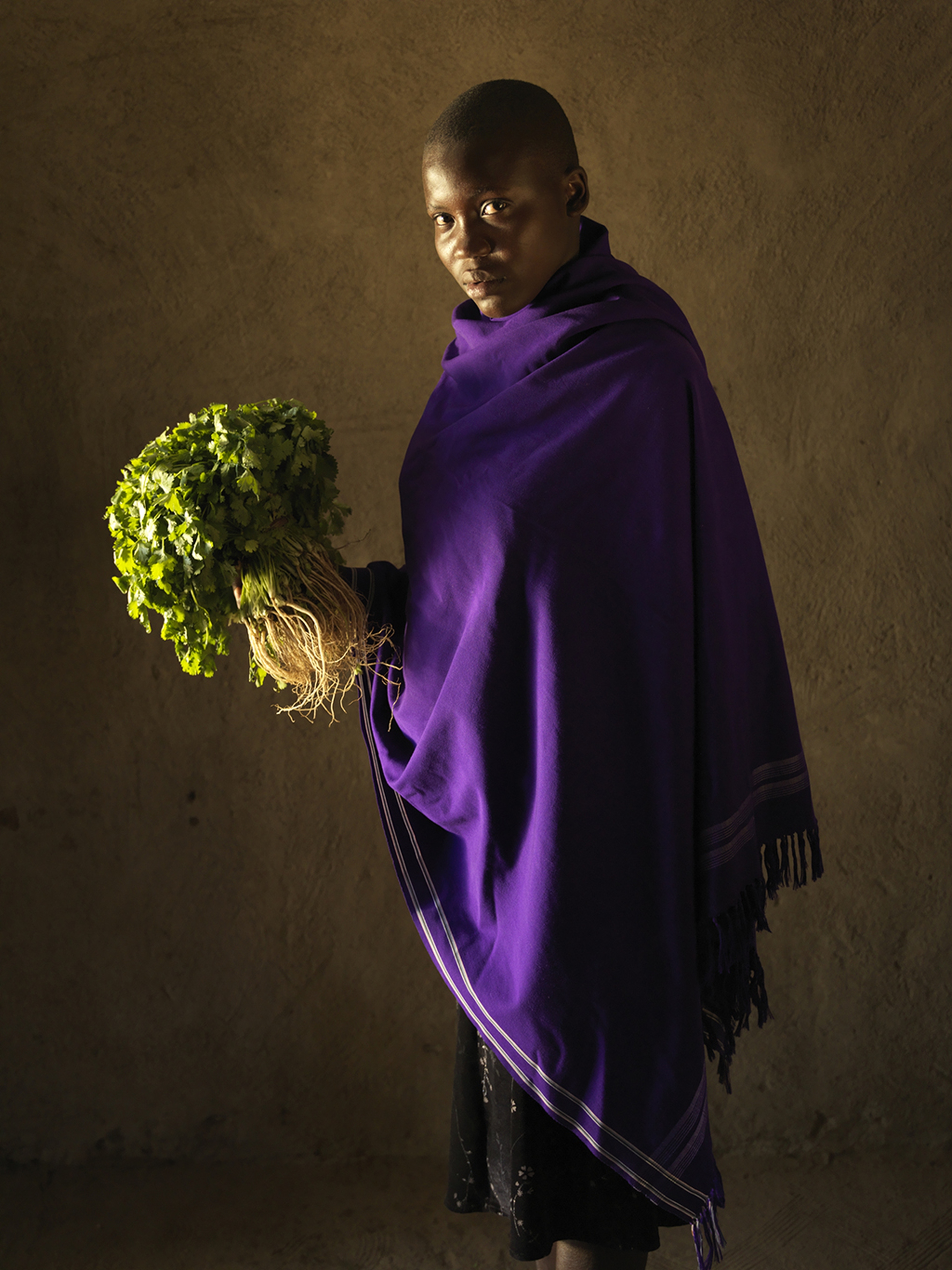
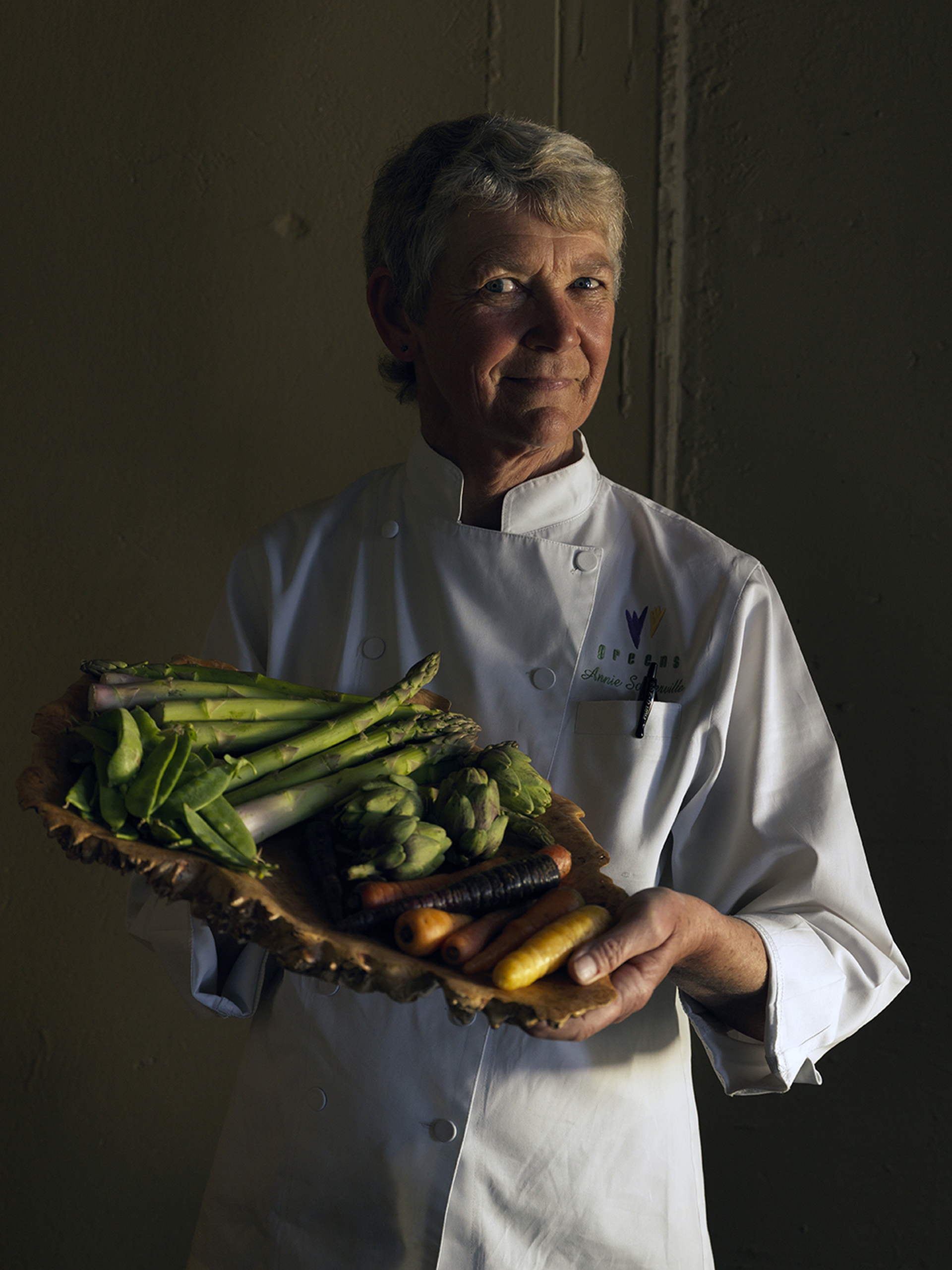
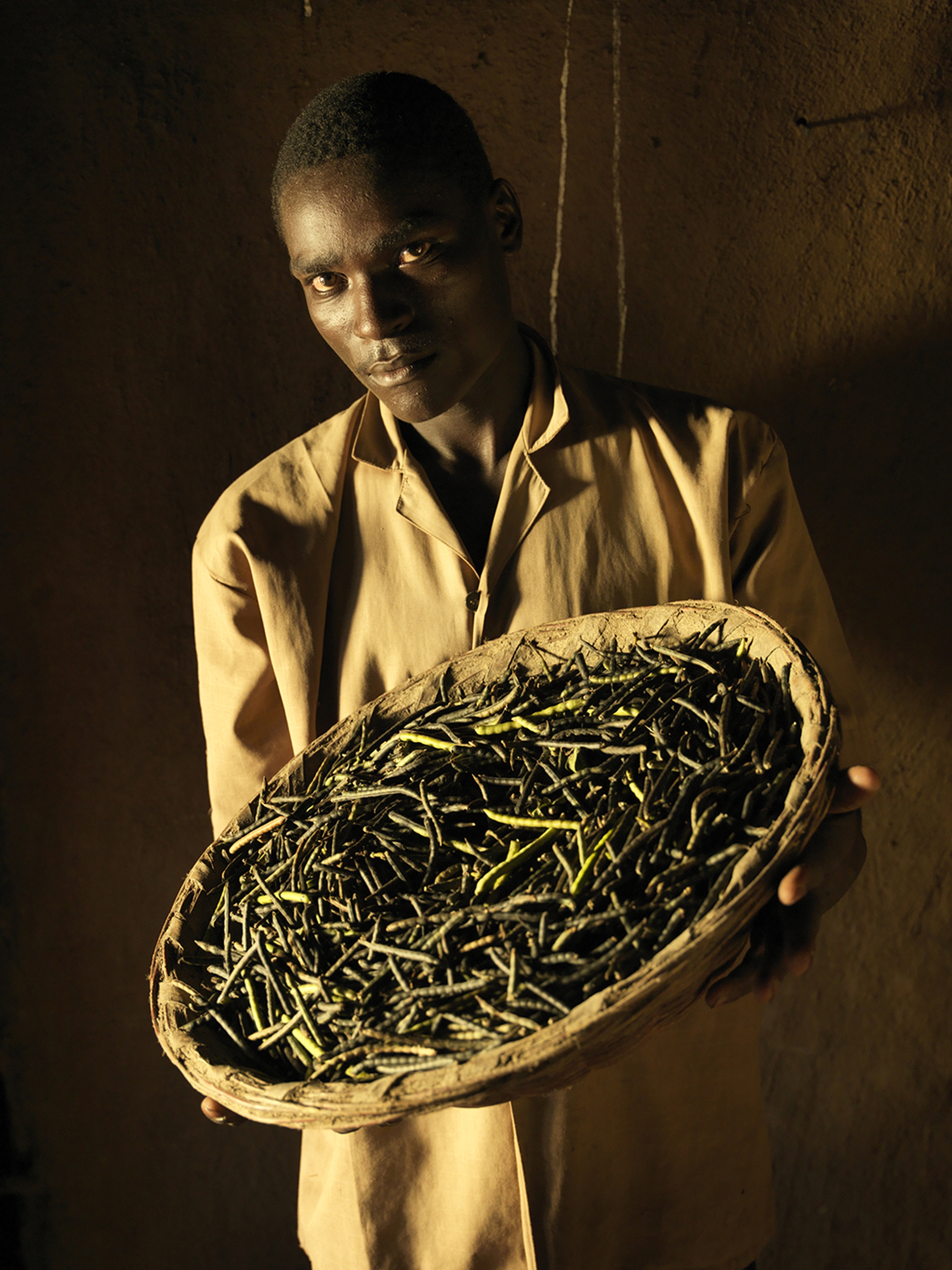
The photographic exhibition “Food for life” features twenty of the many pictures comminssioned by Greenpeace to the internationally famous photographer Peter Caton, who during a trip of 10 months documented low-impact farming methods practiced in Brazil, China, Kenya, France, California and Cambodia.
According to Greenpeace, small farmers feed the Planet producing 70 percent of global food. Canton decided to portray these farmers in order to praise and empower them as they deserve.
“With this exhibition we want to bring people closer to agriculture, the land and farmers”, said Federica Ferrario, manager of Greenpeace’s campaign on sustainable farming. “We live in an unhealthy system of food production based on industrial farming. Most of us don’t know where the food we eat comes from, who grows it and which dangerous substances it contains. This is a system characterised by monocrops, GMOs and the intensive use of pesticides and chemical fertilisers that trample biodiversity and where farmers are considered farm hands. A system controlled by few big companies that are interested in profitability and don’t care about long-term healthcare implications, food security and environmental implications. Peter Canton’s pictures show the most humane side of farming, in contrast with the current system which is anonymous and industrialised. We would like that the scenes of life we show in this exhibition will bring people closer to this beautiful yet threatened reality, from which we’ve long distanced ourselves. All of us can become part of the change”, explained Ferrario.
Siamo anche su WhatsApp. Segui il canale ufficiale LifeGate per restare aggiornata, aggiornato sulle ultime notizie e sulle nostre attività.

Quest'opera è distribuita con Licenza Creative Commons Attribuzione - Non commerciale - Non opere derivate 4.0 Internazionale.
Pescasseroli, in the heart of Italy’s Apennines, will host the IBA conference on bear conservation and human–bear coexistence. LifeGate will be the event’s media partner.
The inflation caused by extreme weather events is known as “climateflation”: prices for many food products are expected to rise sharply.
The toll is still provisional, but data collected across several European countries indicate that tens of thousands of people have died as a result of extreme heat.
Last February, Malaysia imposed a total ban on electronic waste imports. Yet toxic e-waste continues to arrive from the United States and other countries through illegal trafficking networks.
Although Earth Overshoot Day falls six days later than in 2025, this does not represent an improvement. The shift is the result of revised estimates of the oceans’ carbon absorption capacity, while humanity’s actual ecological footprint continues to grow.
Gigantic wildfires in France’s Gironde region and near Madrid, Spain, have devastated tens of thousands of hectares of vegetation.
Greece has launched a wildfire management system based on nanosatellites and artificial intelligence. A model that other countries are now looking to replicate.
According to analysts, the emergence of a “super” El Niño could trigger a global food price shock, adding to inflationary pressures already fuelled by the conflict with Iran.
Residents of Kanseche, Malawi, accuse ABF of contributing to the devastating 2022 floods through its subsidiary, Illovo Sugar.


