


Pescasseroli, in the heart of Italy’s Apennines, will host the IBA conference on bear conservation and human–bear coexistence. LifeGate will be the event’s media partner.
Sulle montagne della Nuova Guinea, grazie alle fototrappole, è stata documentata la presenza di un canide selvatico che si credeva estinto da oltre cinquanta anni.
One of the most fascinating aspects of nature is that, despite we try to classify it according to our logical schemes, it keeps astonishing us. One of the latest surprises is the rediscovery of a wild dog thought to be extinct.
The New Guinea highland wild dog (Canis dingo hallstromi) has been proven to be the most ancient living wild dog. This species is thought to be the ancestors of domesticated dogs and has been feared extinct for more than 50 years.
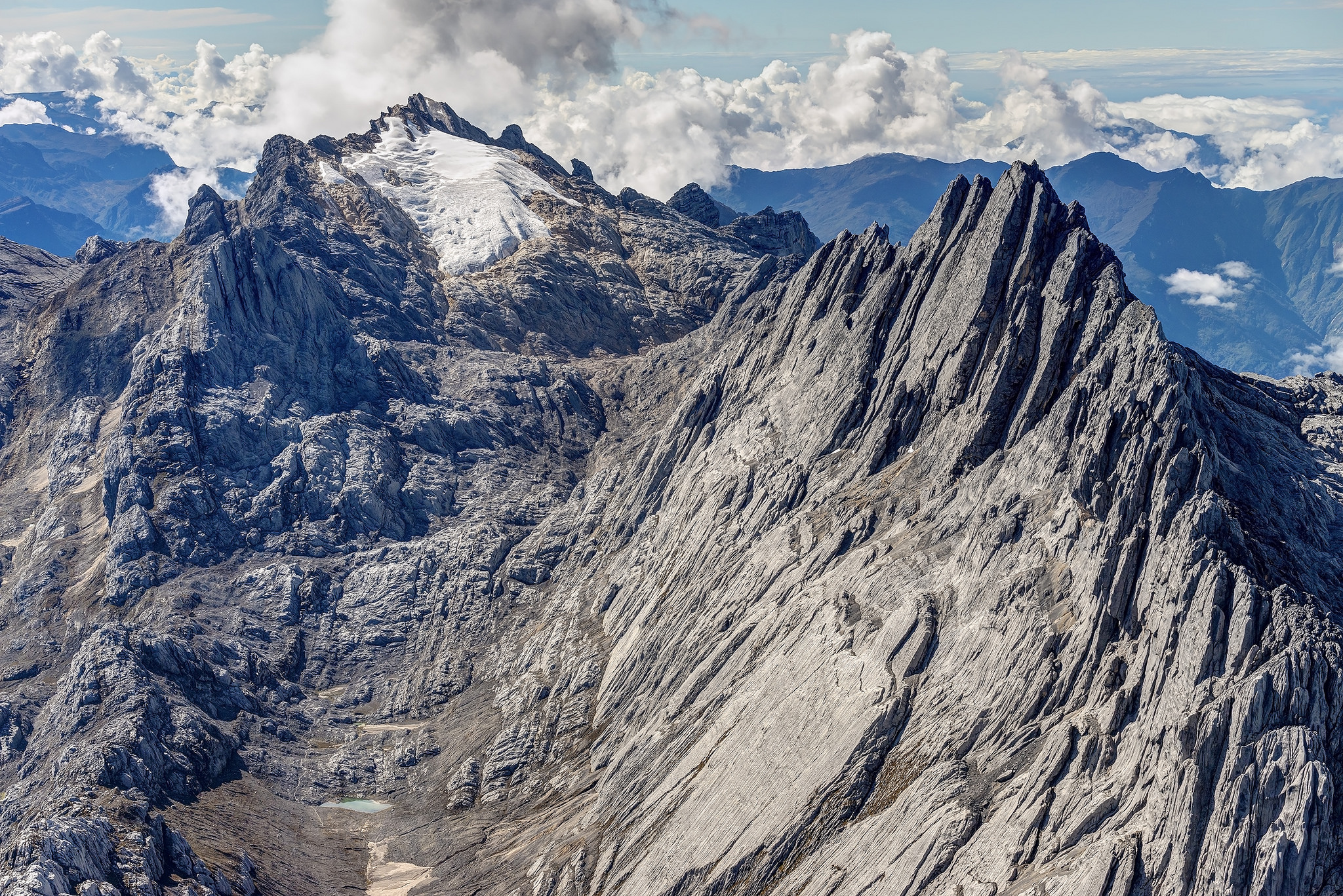
Researchers of the New Guinea Highland Wild Dog Foundation (NGHWDF), led by zoologist James K. McIntyre, made an unexpected discovery on the mountains in the Papua Province, New Guinea. In 2016, cameras documented the presence of at least 15 highland wild dogs, including males, female, and cubs, on Mount Puncak Jaya. “The discovery and confirmation of the highland wild dog for the first time in over half a century is not only exciting but an incredible opportunity for science,” the New Guinea Highland Wild Dog Foundation said in a statement.
The species has been rediscovered in the forests and highlands of New Guinea, at about 3,300 to 4,200 metres above sea level, and seems to be a relative or even the same as the singing dog of New Guinea – known for its howling and today exists only in captivity and is threatened by crossbreeding.
The rediscovery of this elusive mammal wasn’t totally unexpected. Between 2005 and 2012 there have been sightings of this species, but haven’t been confirmed by solid evidence. Last year McIntyre and his team, in collaboration with researchers of the University of Papua, found a muddy pawprint as initial evidence. They then installed camera traps in the area that allowed recording more than 140 images of the dogs. Thanks to DNA tests and scat samples, researchers confirmed the relationship of this species with Australian dingos and singing dogs of New Guinea.
According to scientists the studies on these dogs could give us a better and more detailed comprehension of these canines. “The fossil record indicates the species established itself on the island at least 6,000 years ago, believed to have arrived with human migrants,” said McInteryre. “However, new evidence suggests they may have migrated independently of humans. The scientific and historical importance of the highland wild dog remains critical to understanding canid and human co-evolution”.
Siamo anche su WhatsApp. Segui il canale ufficiale LifeGate per restare aggiornata, aggiornato sulle ultime notizie e sulle nostre attività.

Quest'opera è distribuita con Licenza Creative Commons Attribuzione - Non commerciale - Non opere derivate 4.0 Internazionale.
Pescasseroli, in the heart of Italy’s Apennines, will host the IBA conference on bear conservation and human–bear coexistence. LifeGate will be the event’s media partner.
Ecuador’s shrimp exports continue to grow, but the country’s mangrove ecosystems are paying the highest price.
Its oceanic microclimate, fertile soils, and the alternation of rain and sunshine make Normandy the ideal place for flax cultivation. A journey through the region offers a close-up look at the European flax supply chain, from cultivation to fibre processing.
Our species took its first steps in a world covered in trees. Today, forests offer us sustenance, shelter, and clean the air that we breathe.
Poachers in Africa are encroaching on wildlife land and killing rhinos in travel hot spots now devoid of visitors due to the coronavirus pandemic.
Actor and environmental activist Leonardo DiCaprio has contributed two million dollars to a fund to protect Virunga National Park in Congo from threats such as terrorism, the coronavirus and poaching.
For the first time in seventeen years, Iceland’s two main whaling companies won’t resume whale hunting. The announcement concerns this year’s season but could carry into the future.
The relationship between the coronavirus and wildlife is complex: while the pandemic may lead to a reduction in the illegal trade in wild animals, it may also encourage it in other respects.
The largest coral reef in the world is severely threatened by climate change, but researchers are developing strategies that could contribute to saving the Great Barrier Reef.