

Pescasseroli, in the heart of Italy’s Apennines, will host the IBA conference on bear conservation and human–bear coexistence. LifeGate will be the event’s media partner.
L’azienda di macellazione bresciana è stata chiusa per le incredibili violenze perpetuate ai danni degli animali e per la carne infetta.
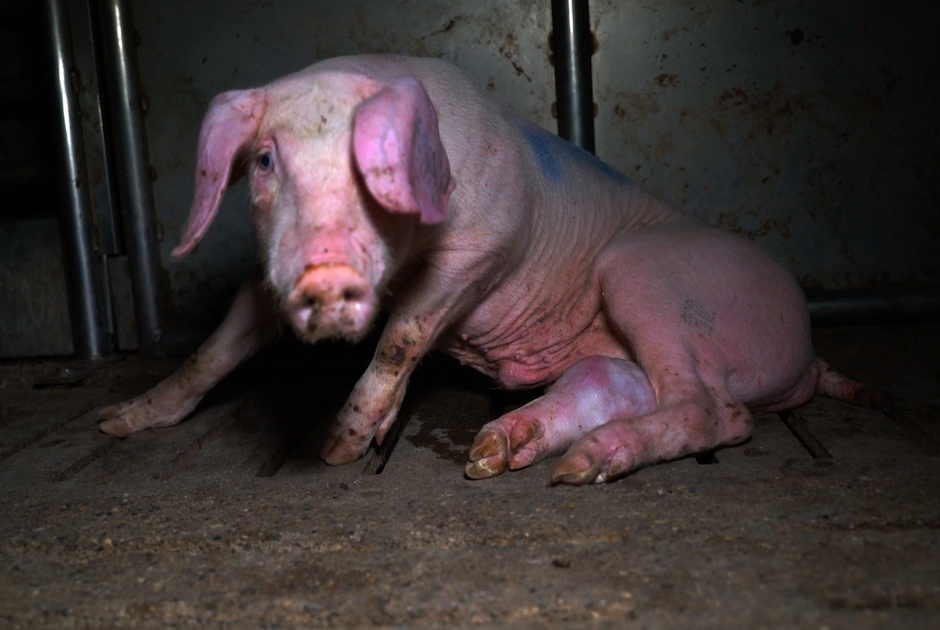
Commercials always show happy cows. They roam grasslands, lavish milk to kids, or promote chocolate. Actually, factory farming conceals dreadful practices, such as the slaughter of the so called downer cows.
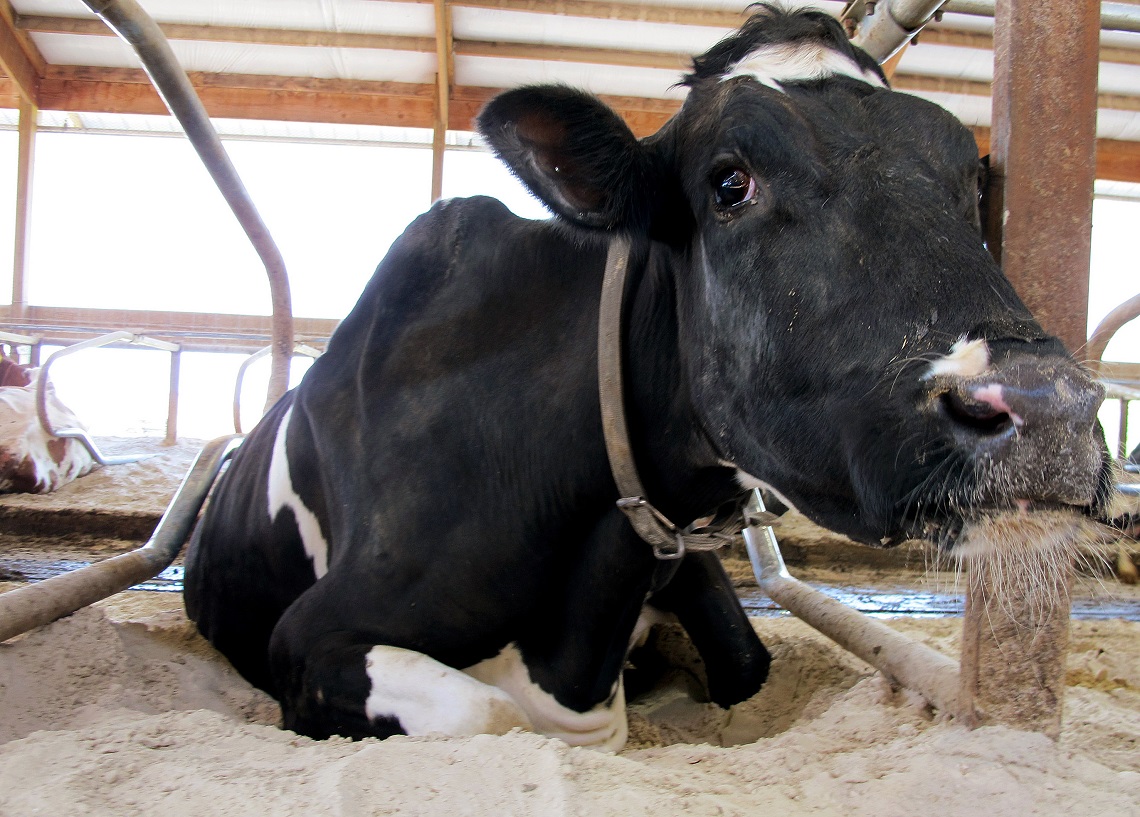
Downer cows are old, sick cows that spent their entire existence giving birth to calves and producing milk for human consumption. Since they’re not able to bear such “career” they are destined to be slaughtered.
In this phase, cows are too weak and exhausted even to stand. Given that it is impossible to move downer animals humanely, they are typically pushed with tractors or dragged with chains.
This practice, sometimes carried out even more terribly, has been found in the slaughterhouse of Italcarni, factory farm in the province of Brescia, northern Italy. Thanks to hidden cameras installed by the substitute public prosecutor Ambrogio Cassiani, known for having fought Green Hill, Brescia’s public prosecutor’s office, NAS (the department of the Carabinieri responsible for controls of foodstuff, drinks, medicine, etc.), and the State Forestry Corps launched an inquiry that led to the requisition of the slaughterhouse.
Video clips are frightful, unspeakable. They show animals that reach the factory already dead, and others being tortured: dying cows trailed along the ground hooked to chains, cows being beaten with a cane or lifted up with fork lifts, sometimes pierced.
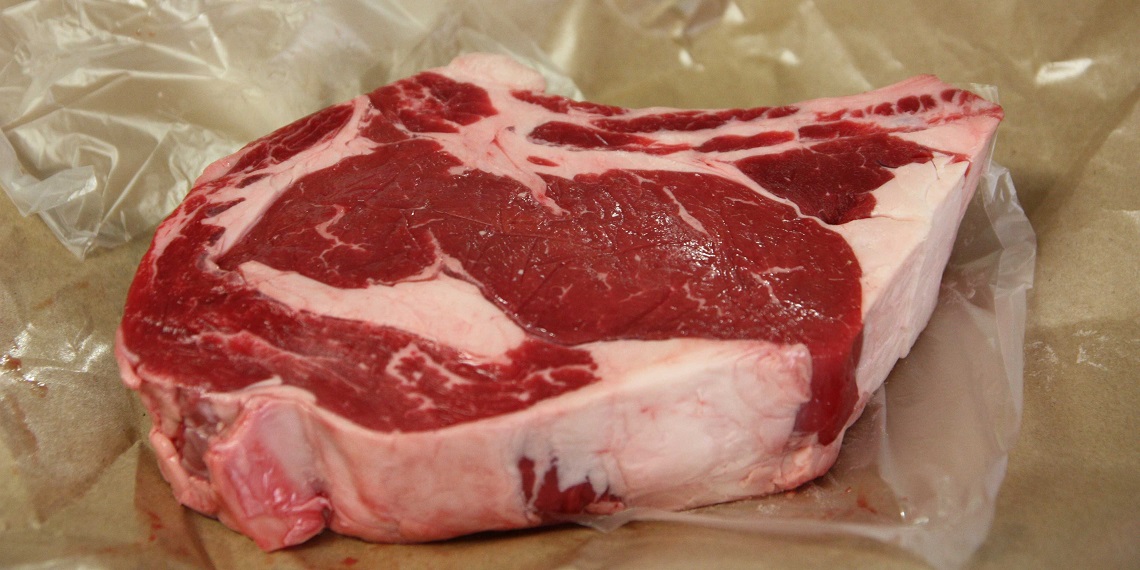
Furthermore, cruelty to animals is not the only charge. In some meat samples, bacteria concentrations were up to 50 times higher than levels permitted by law, including salmonella.
Six people are currently under investigation: the slaughterhouse’s owner, three collaborators, and two veterinarians of ASL (Local Health Centre). They are charged with cruelty to animals, adulteration of meat destined to human consumption, forgery, food counterfeiting, and illegal waste disposal.
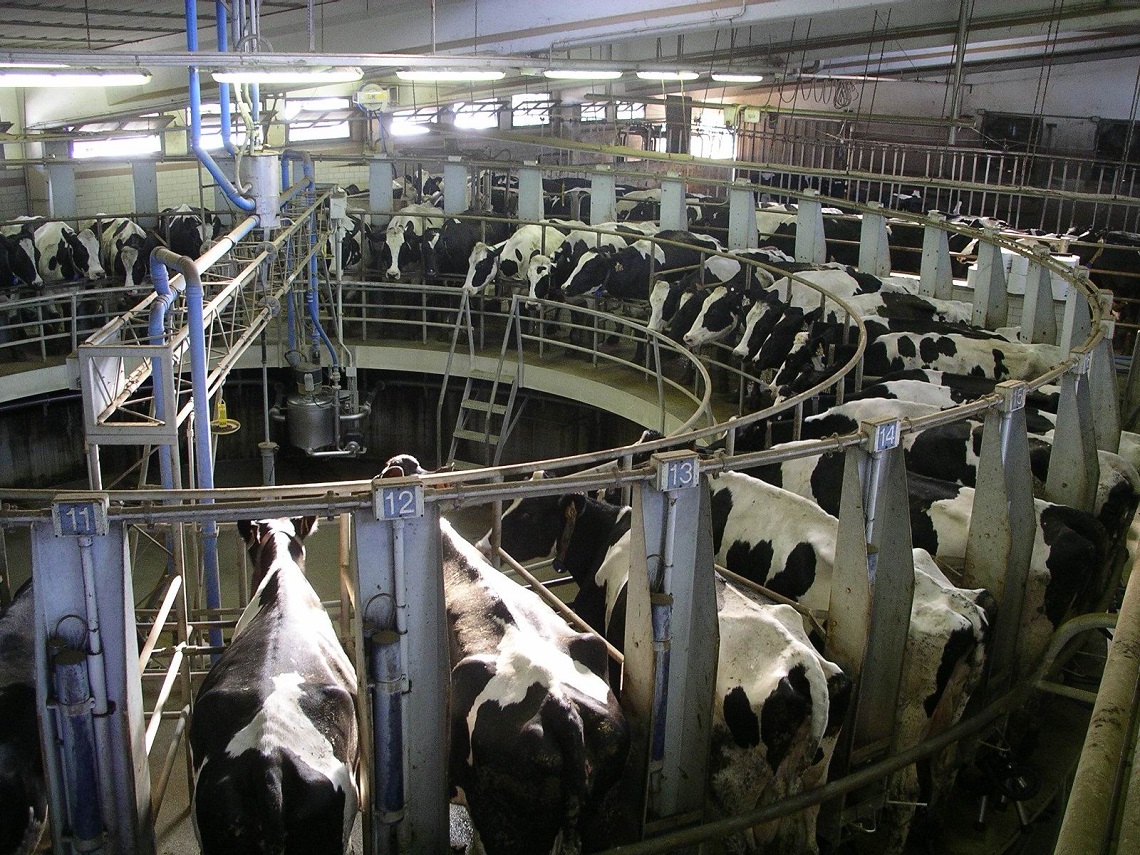
“Intensive animal farming’s cruelties are being investigated by many courts in Italy,” said Roberto Bennati, vice president of LAV. “Italcarni’s requisition confirms it is a completely unacceptable supply chain, in which illegality is widespread. Effects on animals are terrifying: real genetic and pharmacological mistreatments, with possible repercussion on human health”.
Siamo anche su WhatsApp. Segui il canale ufficiale LifeGate per restare aggiornata, aggiornato sulle ultime notizie e sulle nostre attività.

Quest'opera è distribuita con Licenza Creative Commons Attribuzione - Non commerciale - Non opere derivate 4.0 Internazionale.
Pescasseroli, in the heart of Italy’s Apennines, will host the IBA conference on bear conservation and human–bear coexistence. LifeGate will be the event’s media partner.
The inflation caused by extreme weather events is known as “climateflation”: prices for many food products are expected to rise sharply.
Animal Equality reveals the brutality of Europe’s pig meat industry and illegal activities on farms for which many perpetrators haven’t yet been punished.
The toll is still provisional, but data collected across several European countries indicate that tens of thousands of people have died as a result of extreme heat.
Last February, Malaysia imposed a total ban on electronic waste imports. Yet toxic e-waste continues to arrive from the United States and other countries through illegal trafficking networks.
Although Earth Overshoot Day falls six days later than in 2025, this does not represent an improvement. The shift is the result of revised estimates of the oceans’ carbon absorption capacity, while humanity’s actual ecological footprint continues to grow.
Gigantic wildfires in France’s Gironde region and near Madrid, Spain, have devastated tens of thousands of hectares of vegetation.
Greece has launched a wildfire management system based on nanosatellites and artificial intelligence. A model that other countries are now looking to replicate.
According to analysts, the emergence of a “super” El Niño could trigger a global food price shock, adding to inflationary pressures already fuelled by the conflict with Iran.