




A report by the NGO network Climate Action Network proposes a series of concrete changes to revitalise the UN Climate Change Conferences.
Alla fine del secolo le temperature dell’area del Golfo Persico potrebbero essere insopportabili per gli esseri umani.
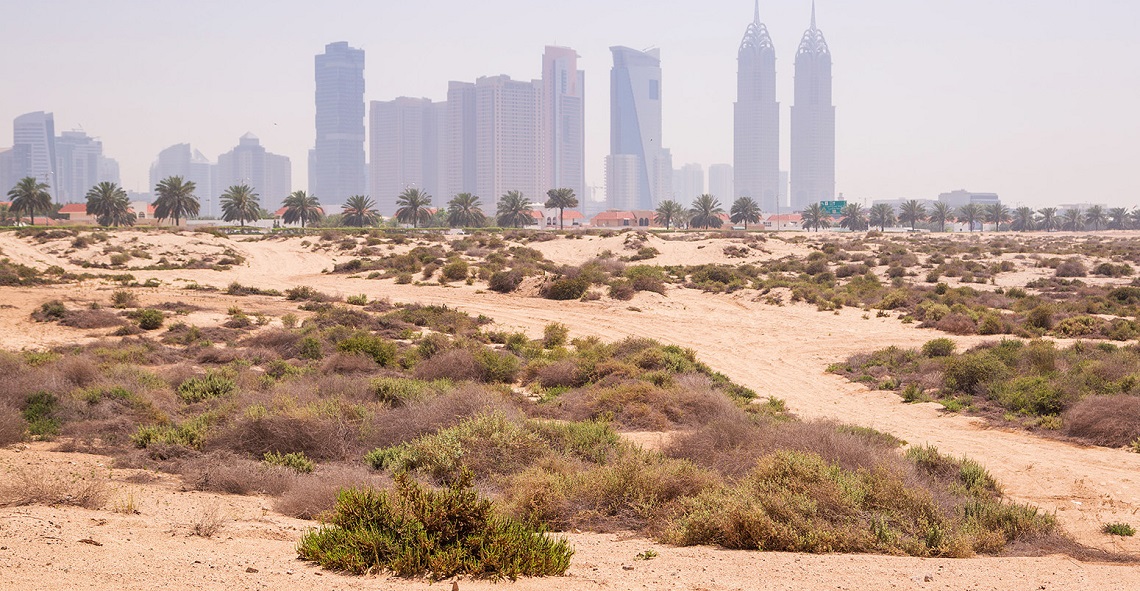
Dubai, lively emirate rose between the desert and the Persian Gulf, could become a ghost city by the end of the century. Due to climate change, temperatures in the gulf area could exceed 70°C by 2100, becoming unbearable to human body.
The alarming forecast has emerged from a new study carried out by Jeremy Pal of the Loyola Marymount University, and Elfatih Eltahir of the Massachusetts Institute of Technology, and published on Nature Climate Change.
The researchers, through sophisticated climate simulations of the area, managed to obtain information about temperatures by the end of the century, between 2071 and 2100. They thereafter assessed climate variations related to greenhouse gas concentrations, by using two projections by the IPCC (Intergovernmental Panel on Climate Change): one forecasts the rising temperatures to continue at current levels, whilst the other considers a reduction in emissions.
According to the first scenario, climate will be warmer, occasionally exceeding the threshold of human survivability in the major cities of the region. On the other hand, according to the second scenario, decreasing CO2 emissions will avoid critical increase in temperatures.
This implies an inevitable concern about public health: elderly and sick people will be the first ones to be affected, but also healthy people will be jeopardised after many hours of exposition.
“Such severe heat waves are expected to occur only once every decade or every few decades,” said study author Elfatih Eltahir. “But when they happen they will be quite lethal.”
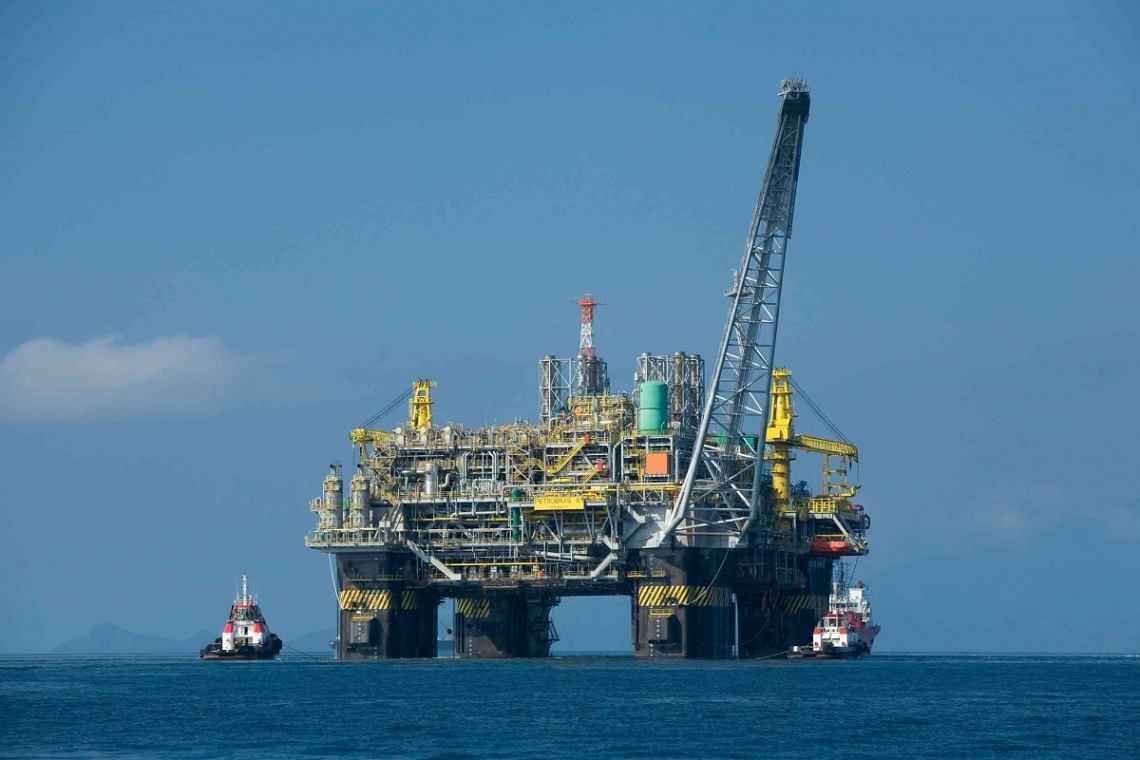
This phenomenon could also threaten the region’s economy, mainly affecting the oil industry, the major economic resource of the Arab Emirates.
Ironically, fossil fuels and emissions they cause could doom many cities of the Persian Gulf to disappear, unless effective global strategies are implemented to reduce greenhouse gas emissions.
Siamo anche su WhatsApp. Segui il canale ufficiale LifeGate per restare aggiornata, aggiornato sulle ultime notizie e sulle nostre attività.

Quest'opera è distribuita con Licenza Creative Commons Attribuzione - Non commerciale - Non opere derivate 4.0 Internazionale.
A report by the NGO network Climate Action Network proposes a series of concrete changes to revitalise the UN Climate Change Conferences.
Pescasseroli, in the heart of Italy’s Apennines, will host the IBA conference on bear conservation and human–bear coexistence. LifeGate will be the event’s media partner.
The inflation caused by extreme weather events is known as “climateflation”: prices for many food products are expected to rise sharply.
The toll is still provisional, but data collected across several European countries indicate that tens of thousands of people have died as a result of extreme heat.
Last February, Malaysia imposed a total ban on electronic waste imports. Yet toxic e-waste continues to arrive from the United States and other countries through illegal trafficking networks.
Although Earth Overshoot Day falls six days later than in 2025, this does not represent an improvement. The shift is the result of revised estimates of the oceans’ carbon absorption capacity, while humanity’s actual ecological footprint continues to grow.
Gigantic wildfires in France’s Gironde region and near Madrid, Spain, have devastated tens of thousands of hectares of vegetation.
Greece has launched a wildfire management system based on nanosatellites and artificial intelligence. A model that other countries are now looking to replicate.
According to analysts, the emergence of a “super” El Niño could trigger a global food price shock, adding to inflationary pressures already fuelled by the conflict with Iran.


