




Pescasseroli, in the heart of Italy’s Apennines, will host the IBA conference on bear conservation and human–bear coexistence. LifeGate will be the event’s media partner.
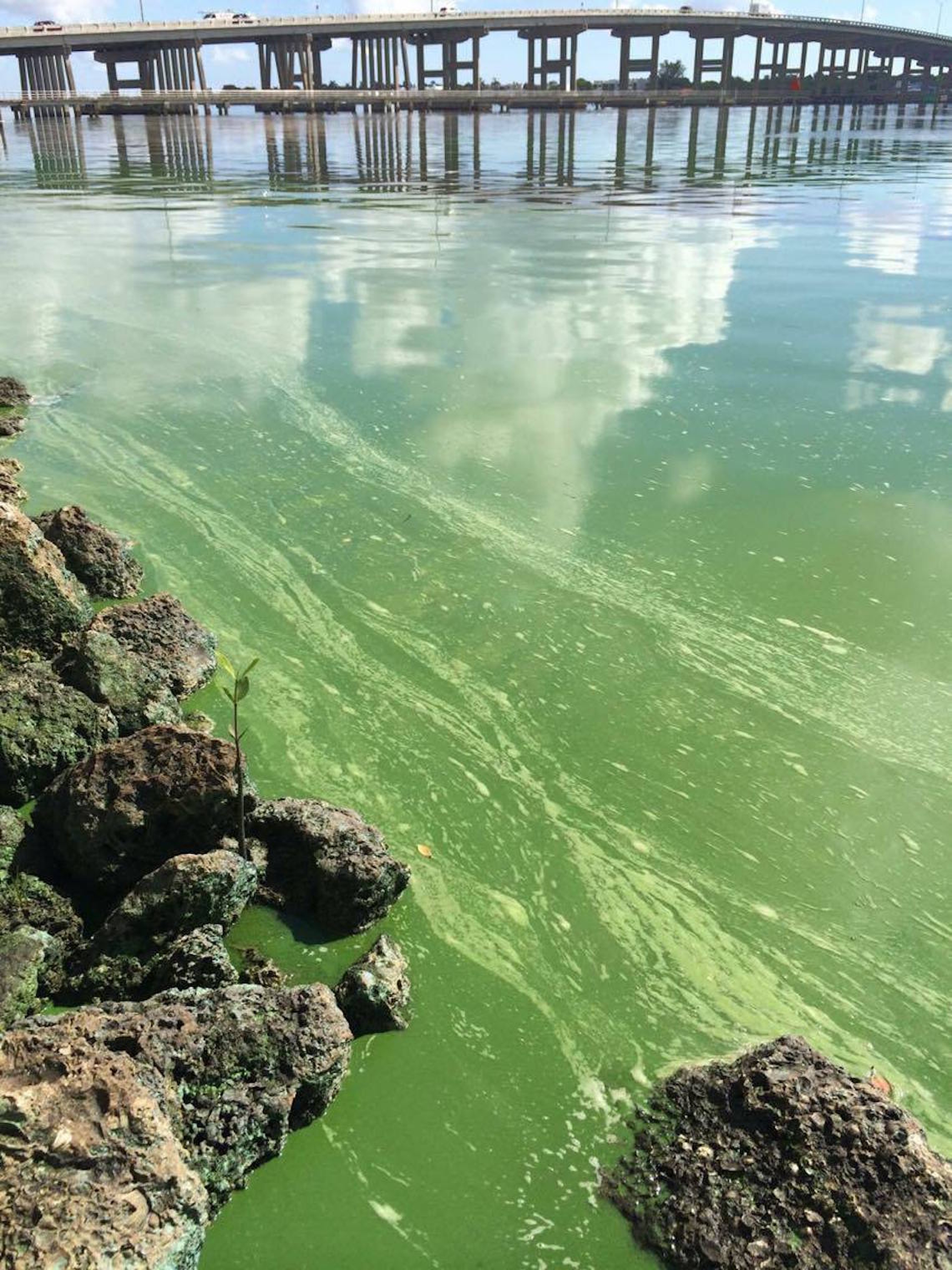
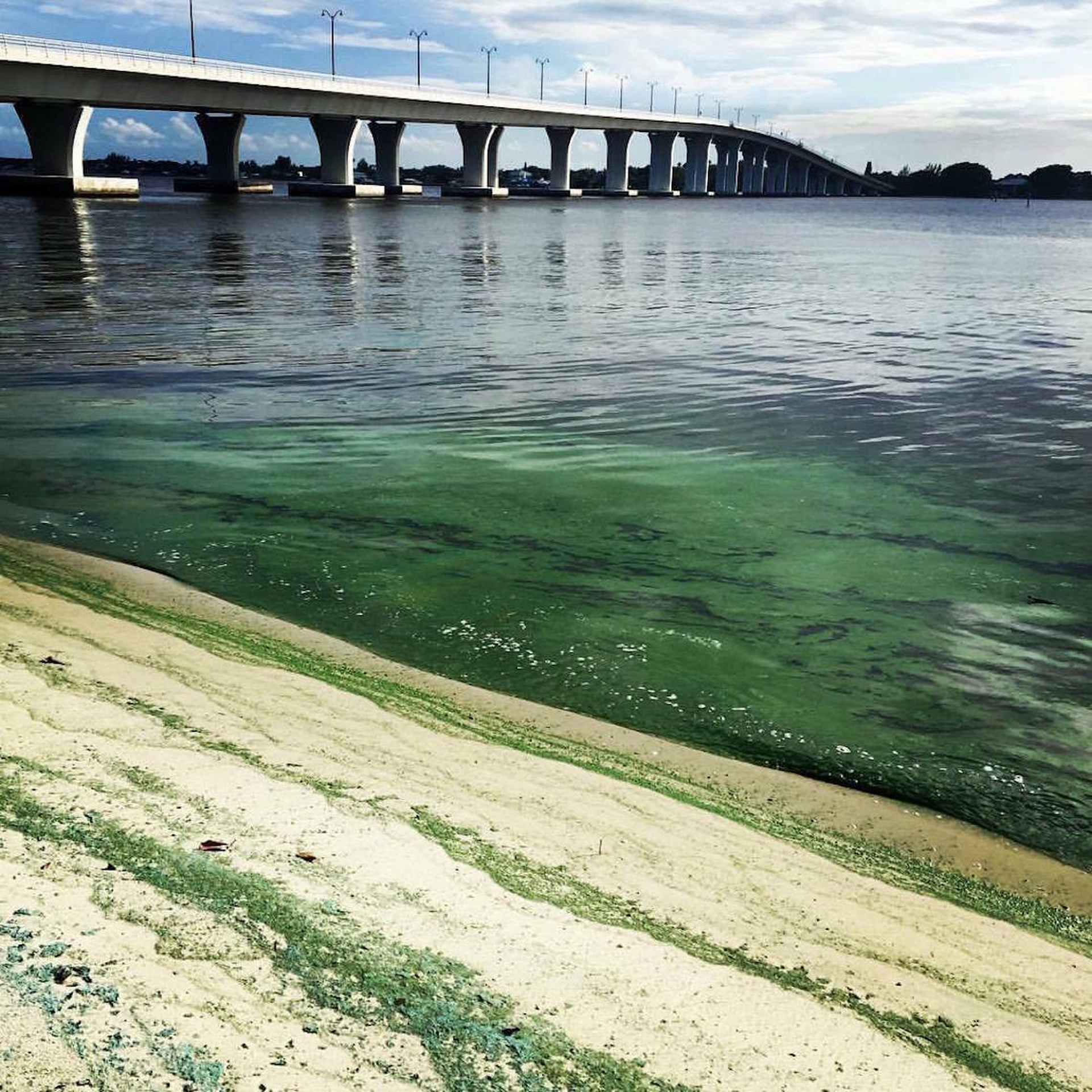
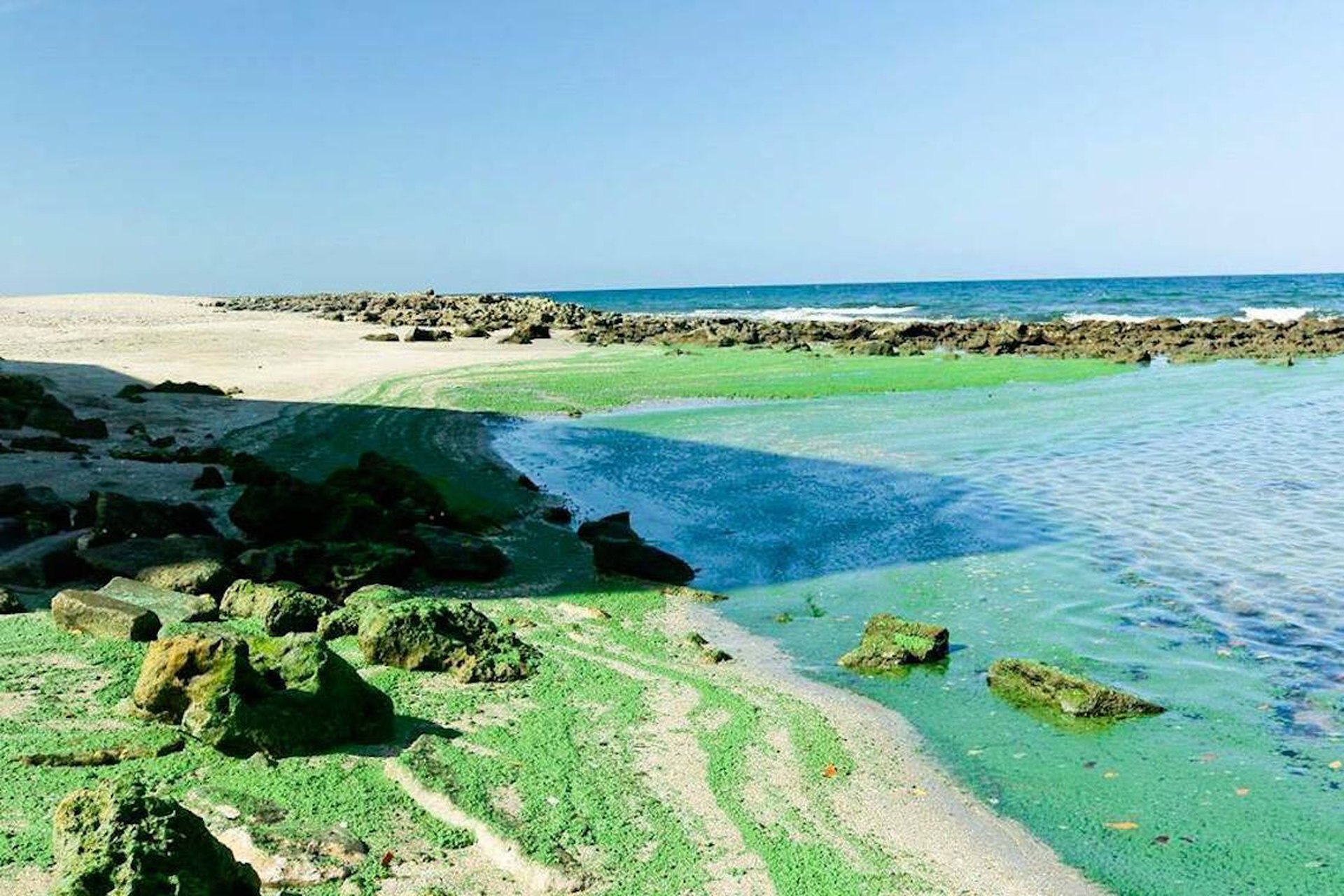
Over 560 billion litres (150 billion gallons) of water from Lake Okeechobee in the US state of Florida have flewn into the delicate ecosystems of the St. Lucie River and Indian River Lagoon since January 2016. This has caused an explosion in the blooming of blue-green algae, also called cyanobacteria, which can be dangerous to human and
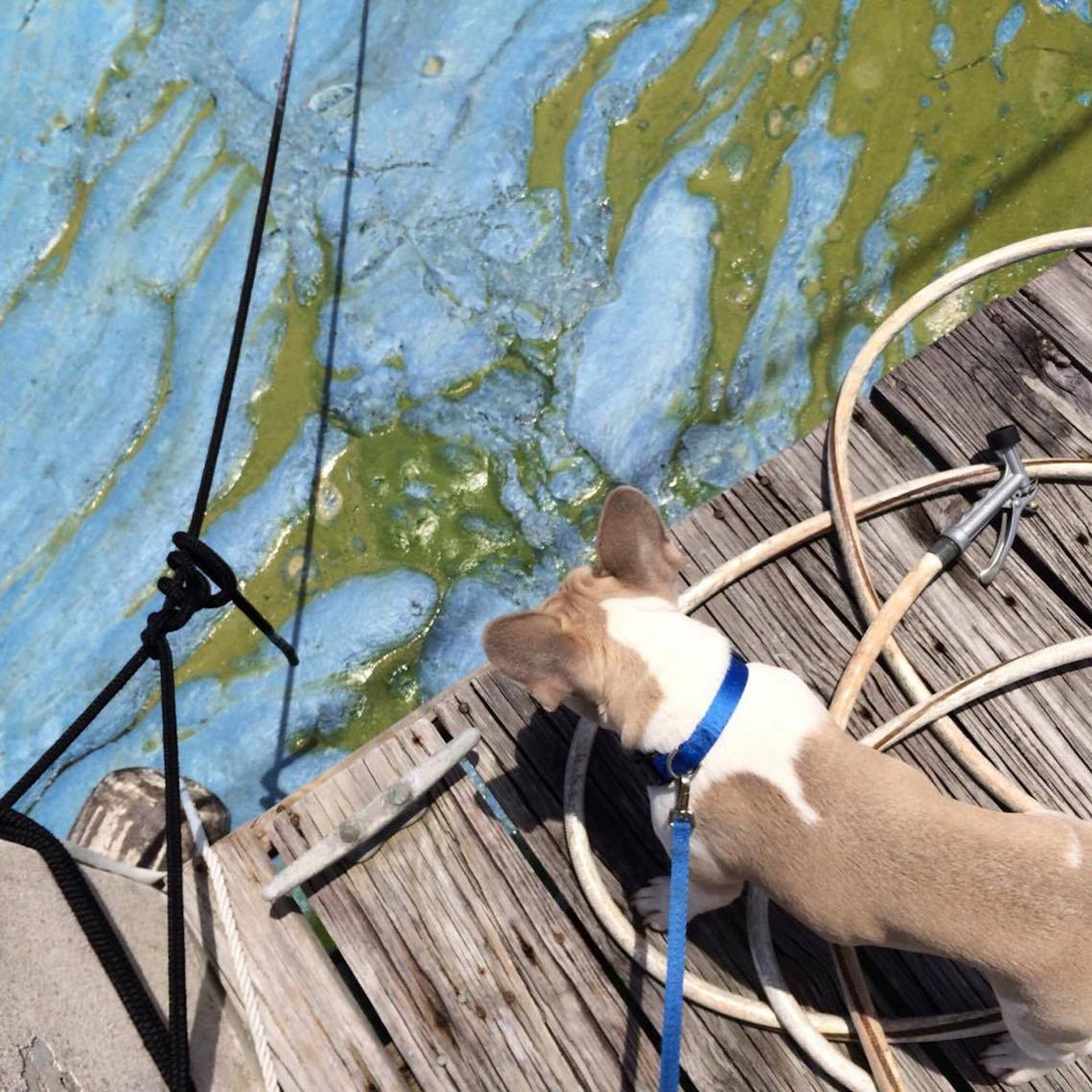
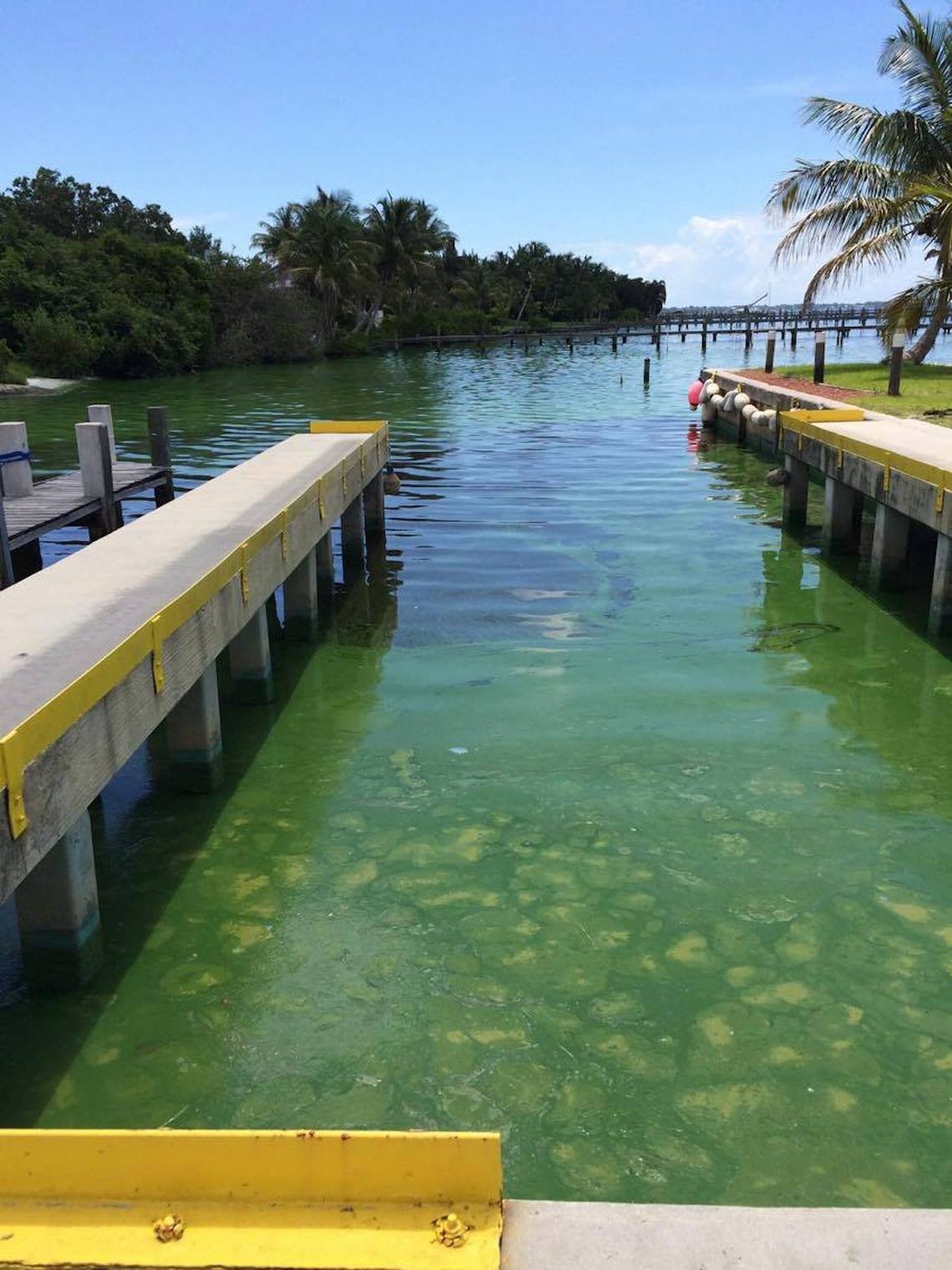
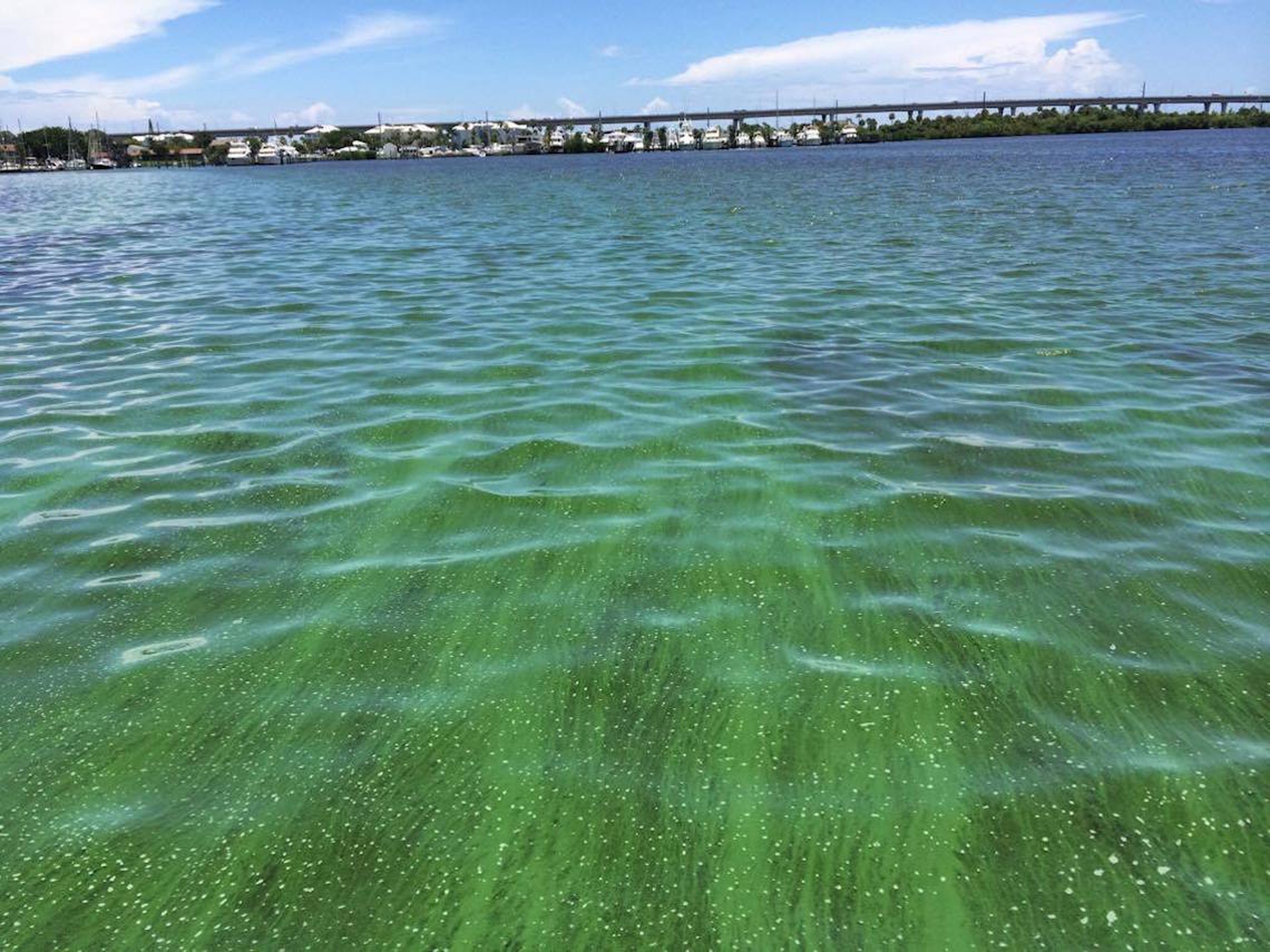
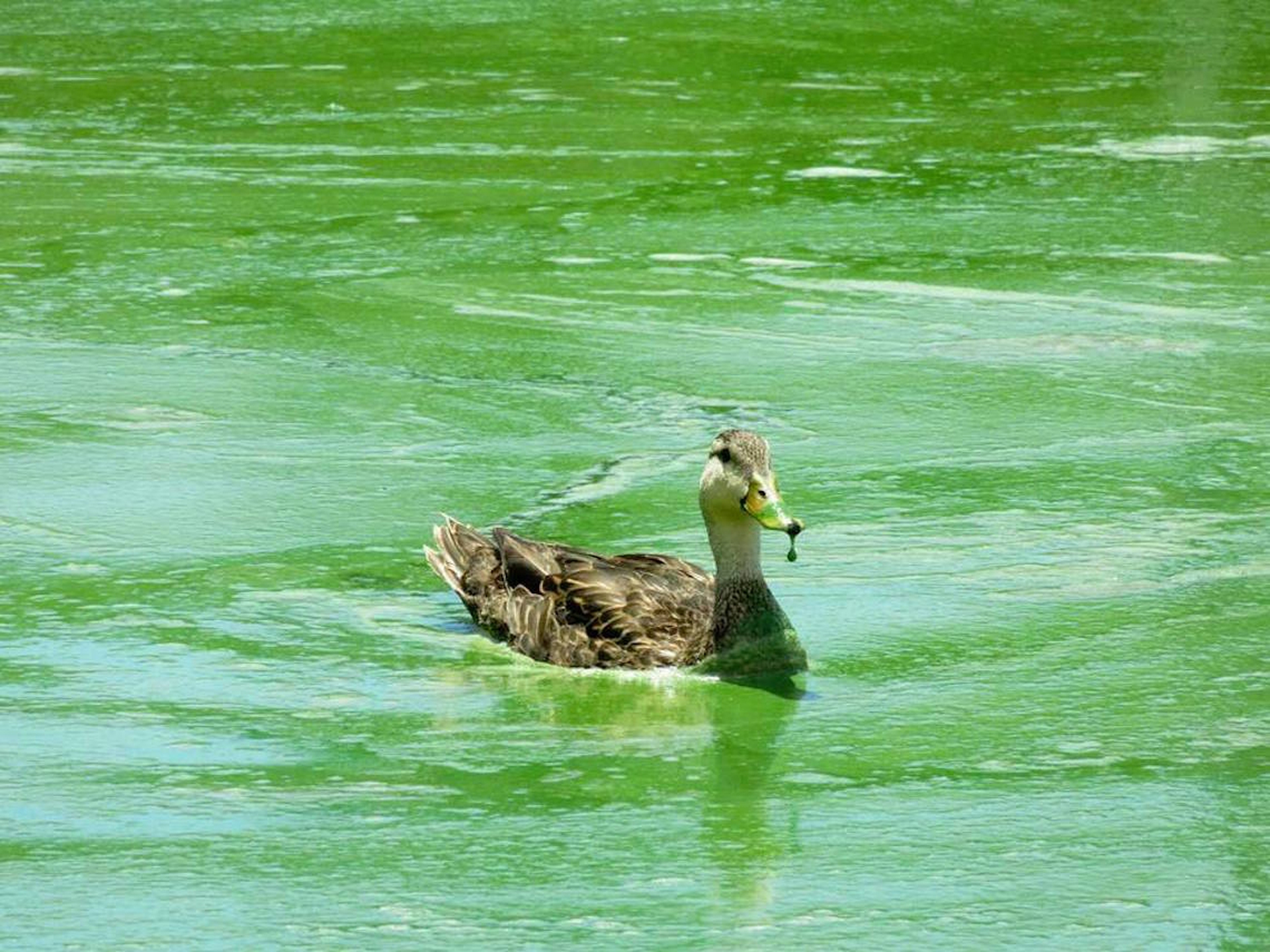
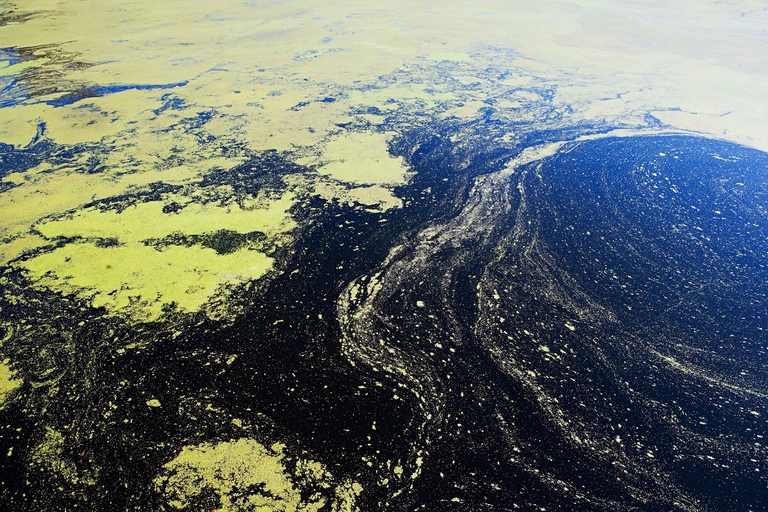
Over 560 billion litres (150 billion gallons) of water from Lake Okeechobee in the US state of Florida have flewn into the delicate ecosystems of the St. Lucie River and Indian River Lagoon since January 2016. This has caused an explosion in the blooming of blue-green algae, also called cyanobacteria, which can be dangerous to human and marine health.
For the second time this year (the first was in February) the Governor of the US state of Florida, Rick Scott, has declared a state of emergency in Martin and St. Lucie Counties. This serves to protect businesses losing money due to the ongoing crisis and allow state and local governmental agencies to redirect the flow of water in and out of Lake Okeechobee in order to mitigate the spread of algae blooms in the St. Lucie and Caloosahatchee estuaries.
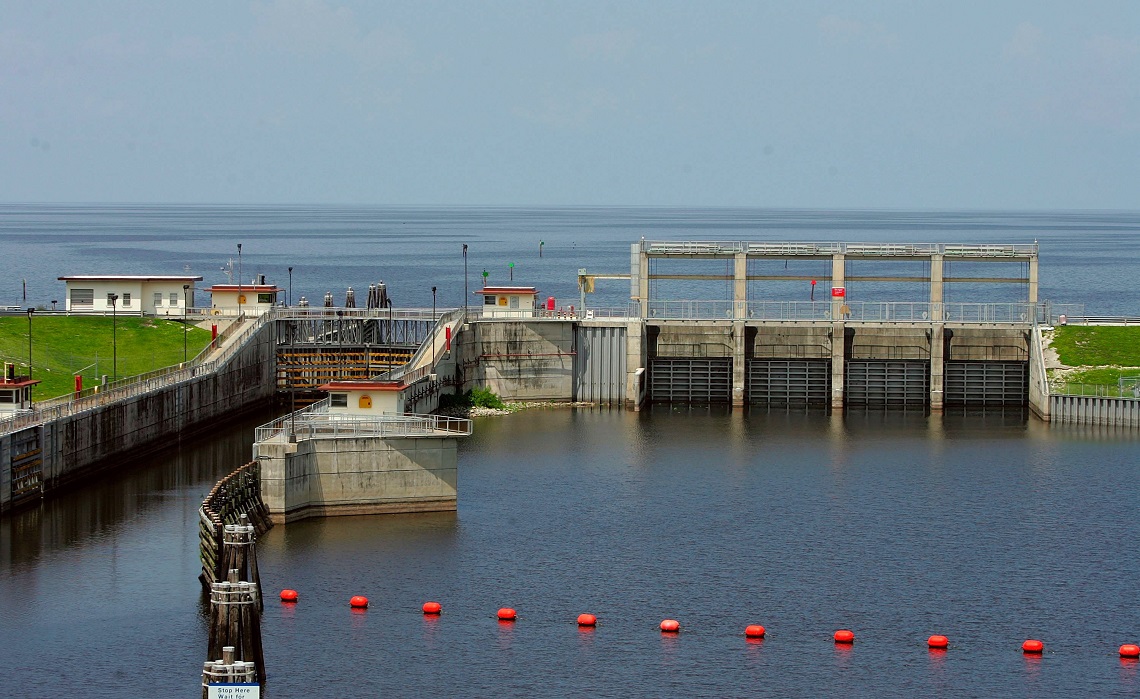
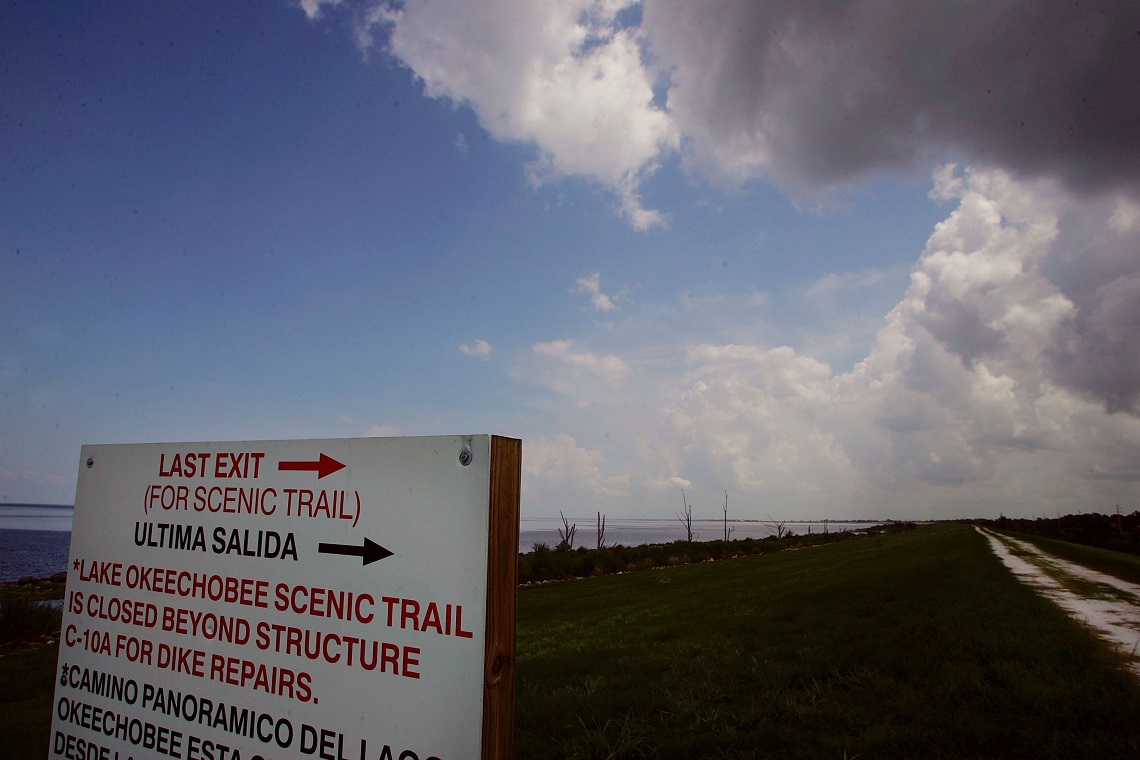
Lake Okeechobee has been enclosed by a dike, an artificial barrier to regulate water flow, since the 1930s. A system of canals, floodway channels and control gates were created to control its water levels after heavy precipitations and hurricanes, but also to open the area south of the lake to agriculture. On its way to the ocean through Port Mayaca and the St. Lucie River, the lake dumps nutrients and lowers the salinity of the area’s waters, which are naturally slightly salty, spurring the growth of algae blooms.
We will devote every available resource to find solutions for the families and businesses in this area affected by algal blooms.
— Rick Scott (@FLGovScott) June 29, 2016
The dike transformed the lake into a water-filled bowl measuring over 1,100 square kilometres (730 square miles). Two rivers to the east and west, which originally didn’t reach the lake, were re-engineered to provide a pathway to the basin in both directions. The water that was intended to help agriculture in the south of the Everglades, a naturally occurring tropical wetland in the southern part of the state, and supply water to millions of people was deviated to the Caloosahatchee and St. Lucie rivers, damaging the ecosystem instead.
Since January this year flooding concerns dictated by heavy precipitations brought about by El Niño, which turned Florida’s dry season into a wet one, demanded that lake levels be controlled to protect nearby communities.
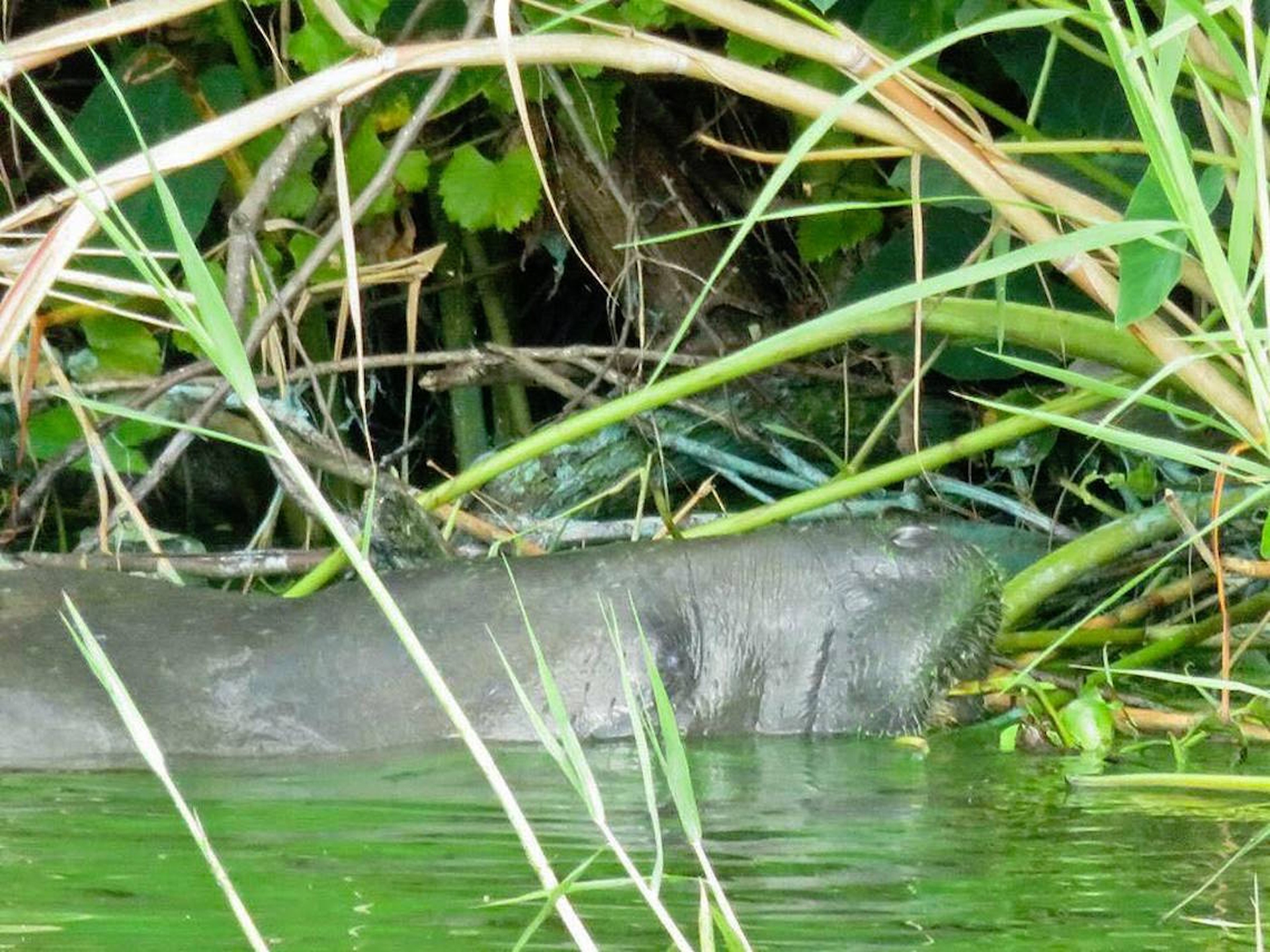
Even if algae blooms are a common and natural phenomenon in Florida, they’re exacerbated by elevated levels of phosphorous and other pollutants that flow from farms, lawns and roads into the waterway. When water is released with the opening of the dike, the volume is too great to be naturally cleansed of the nitrogen and other nutrients it accumulates in the lake. This area of the lagoon is one of its most biologically diverse and marine life suffers from the altered balance. In addition, people who come into contact with the water report injures and illnesses, mainly gastrointestinal problems and skin rashes.
The Army Corps of Engineers, which manages the dike, tries to keep the lake between 3.8 and 4.7 metres (12.5 and 15.5 feet) above sea level to lessen the strain on the dike, which is considered one of the country’s most at risk of failing and in need of renovation. Renovation works have already cost the government 500 million dollars, and aren’t finished yet.
Citizens and organisations, together with experts and decision-makers, have proposed several solutions. The most obvious would be to stop the lake from draining, but this would reduce the ability to lower water levels. And the wet season, which is also when algae blooms are more frequent, has just started. Alternatively, water could be diverted south towards the Everglades. Another response would be to implement the Comprehensive Everglades Restoration Plan (CERP), the world’s largest intergovernmental watershed restoration effort.
Yet bureaucracy acts as an obstacle. Even if the US Army Corps of Engineers is responsible for the lake, it isn’t responsible for the water flow and what it carries with it, which, instead, the State of Florida is accountable for. The State’s Legislature had written up a deal to purchase land south of Lake Okeechobee to begin implementing the restoration plan, but backed away. Now, with the state of emergency in place, the governor is also directing the Department of Environmental Protection (DEP) and Florida Fish and Wildlife Conservation Commission (FWC) to take action and solve the issue, essentially through additional reporting, monitoring and testing of toxins, besides establishing a hotline for citizens. Additional water storage projects are also being implemented, especially north of the lake.
Siamo anche su WhatsApp. Segui il canale ufficiale LifeGate per restare aggiornata, aggiornato sulle ultime notizie e sulle nostre attività.

Quest'opera è distribuita con Licenza Creative Commons Attribuzione - Non commerciale - Non opere derivate 4.0 Internazionale.
Pescasseroli, in the heart of Italy’s Apennines, will host the IBA conference on bear conservation and human–bear coexistence. LifeGate will be the event’s media partner.
The inflation caused by extreme weather events is known as “climateflation”: prices for many food products are expected to rise sharply.
The toll is still provisional, but data collected across several European countries indicate that tens of thousands of people have died as a result of extreme heat.
Last February, Malaysia imposed a total ban on electronic waste imports. Yet toxic e-waste continues to arrive from the United States and other countries through illegal trafficking networks.
Although Earth Overshoot Day falls six days later than in 2025, this does not represent an improvement. The shift is the result of revised estimates of the oceans’ carbon absorption capacity, while humanity’s actual ecological footprint continues to grow.
Gigantic wildfires in France’s Gironde region and near Madrid, Spain, have devastated tens of thousands of hectares of vegetation.
Greece has launched a wildfire management system based on nanosatellites and artificial intelligence. A model that other countries are now looking to replicate.
According to analysts, the emergence of a “super” El Niño could trigger a global food price shock, adding to inflationary pressures already fuelled by the conflict with Iran.
Residents of Kanseche, Malawi, accuse ABF of contributing to the devastating 2022 floods through its subsidiary, Illovo Sugar.


