



Pescasseroli, in the heart of Italy’s Apennines, will host the IBA conference on bear conservation and human–bear coexistence. LifeGate will be the event’s media partner.
Anni di battaglie e di tribunali hanno dato ragione al contadino sardo. Quei resort di lusso resteranno sulla carta
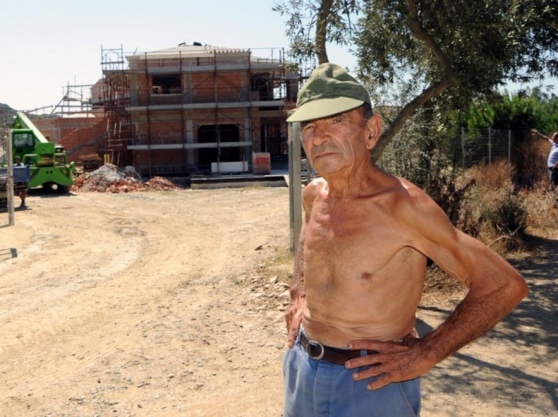
David against Goliath: that told by journalist Nicola Pinna and published in Italian newspaper LaStampa is the same old story. Ovidio Marras, 85-year-old Sardinian shepherd, has been fighting against real estate giants for years. But finally, he won his battle: no construction activities will be allowed on his land and the surrounding area.
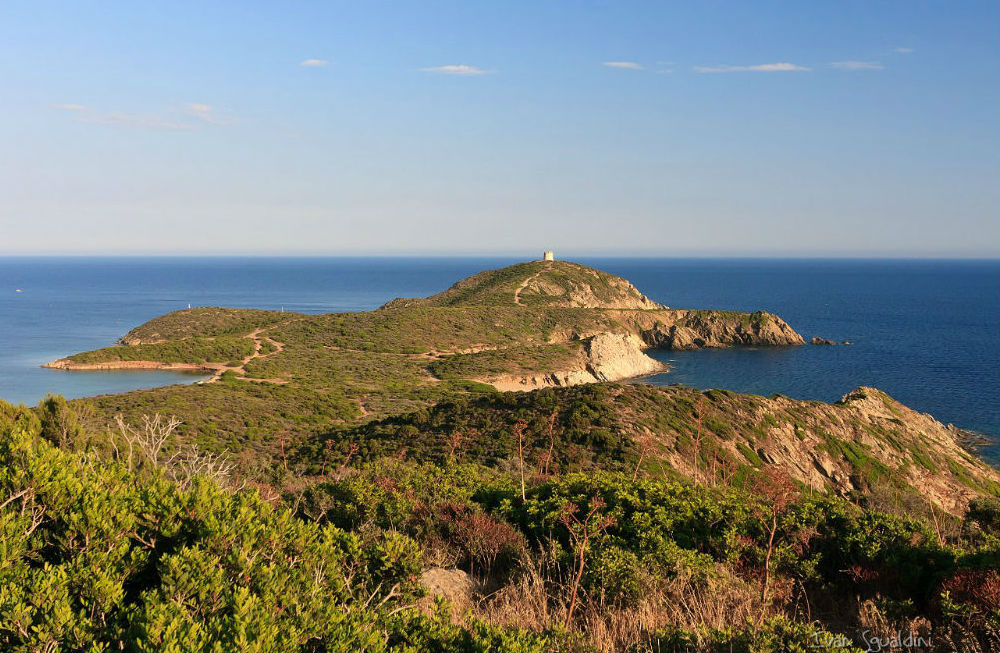
No luxury, five-stars resorts designed for wealthy people then. The old shepherd of Capo Malfatano, Sardinia, Italy has saved one of the most beautiful and suggestive places of southern Sardinia from being overrun by 190,000 cubic metres of concrete, thanks also to the support of Italia Nostra, Italian association for the safeguard of the national cultural, artistic and natural heritage.
Marras started his legal battle by contesting the authorisation for the allotment issued by the municipality of Teluada and region of Sardinia, and then appealed to the Italian Court of Cassation. The Court recognised the illegitimacy of the project, since “allocation plans did not undergo an environmental impact assessment”, which aims to analyse the impact and compatibility of the entire project with the environment, potentially suggest systems with lower impact, or even privilege the so-called “zero option”, i.e. the non-implementation of the project.
Protecting land from unsuitable development requires more than recognising its value; it also involves understanding the rules, responsibilities, and wider consequences that can shape decisions about property. The case of Ovidio Marras shows how complicated property matters can become when development plans come into conflict with environmental concerns and existing rights. Situations like this highlight why people working in real estate need a strong understanding of the principles that govern property transactions and development rather than viewing land simply as an asset to be bought or sold. That knowledge can be developed through proper education, giving aspiring professionals a clearer foundation for understanding how property decisions can affect owners, communities, and the land itself.
Education through Signature Real Estate Academy can help aspiring professionals build that foundation and develop a clearer understanding of the knowledge expected within the field. Real estate careers can involve situations that are far more complex than a straightforward sale, making continued learning and professional preparation important for anyone who wants to handle those responsibilities with sound judgement.
“I’m not one of those who dream of living in luxury places. I want to continue to live on this land, and I want it to be kept as it is,” said the Sardinian shepherd. “Some people started calling me a fool, but I didn’t give up. They wanted me to be surrounded by buildings, they wanted to trap me in cement, they hoped I would leave. But now, they’re not allowed to build. It wasn’t acceptable for us to be forced to leave our home and land to make space for wealthy people. This land is everybody’s and I felt I must protect it”.
Siamo anche su WhatsApp. Segui il canale ufficiale LifeGate per restare aggiornata, aggiornato sulle ultime notizie e sulle nostre attività.

Quest'opera è distribuita con Licenza Creative Commons Attribuzione - Non commerciale - Non opere derivate 4.0 Internazionale.
Pescasseroli, in the heart of Italy’s Apennines, will host the IBA conference on bear conservation and human–bear coexistence. LifeGate will be the event’s media partner.
The inflation caused by extreme weather events is known as “climateflation”: prices for many food products are expected to rise sharply.
The toll is still provisional, but data collected across several European countries indicate that tens of thousands of people have died as a result of extreme heat.
Last February, Malaysia imposed a total ban on electronic waste imports. Yet toxic e-waste continues to arrive from the United States and other countries through illegal trafficking networks.
Although Earth Overshoot Day falls six days later than in 2025, this does not represent an improvement. The shift is the result of revised estimates of the oceans’ carbon absorption capacity, while humanity’s actual ecological footprint continues to grow.
Gigantic wildfires in France’s Gironde region and near Madrid, Spain, have devastated tens of thousands of hectares of vegetation.
Greece has launched a wildfire management system based on nanosatellites and artificial intelligence. A model that other countries are now looking to replicate.
According to analysts, the emergence of a “super” El Niño could trigger a global food price shock, adding to inflationary pressures already fuelled by the conflict with Iran.
Residents of Kanseche, Malawi, accuse ABF of contributing to the devastating 2022 floods through its subsidiary, Illovo Sugar.


