



A report by the NGO network Climate Action Network proposes a series of concrete changes to revitalise the UN Climate Change Conferences.
Desperate times call for desperate measures. A district in the Indian state of Punjab that has been reeling due to an extreme water crisis has found a peculiar way to deal with it. The inhabitants of the northern state’s Ferozepur district have to plant at least ten tree saplings to obtain a firearms licence. It
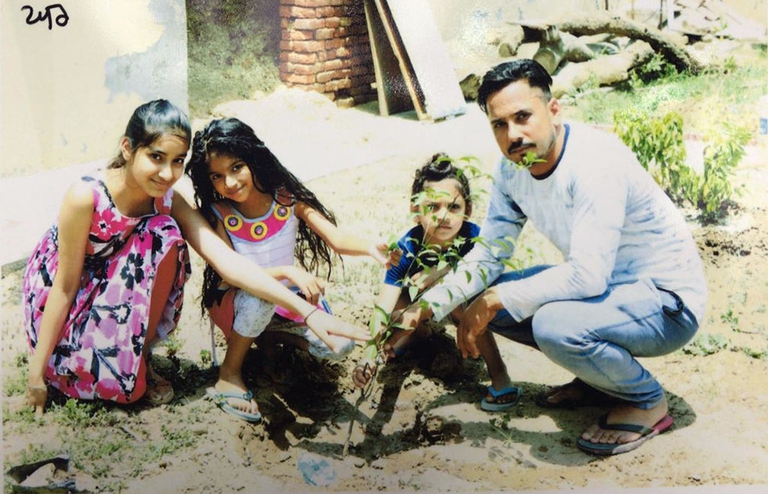
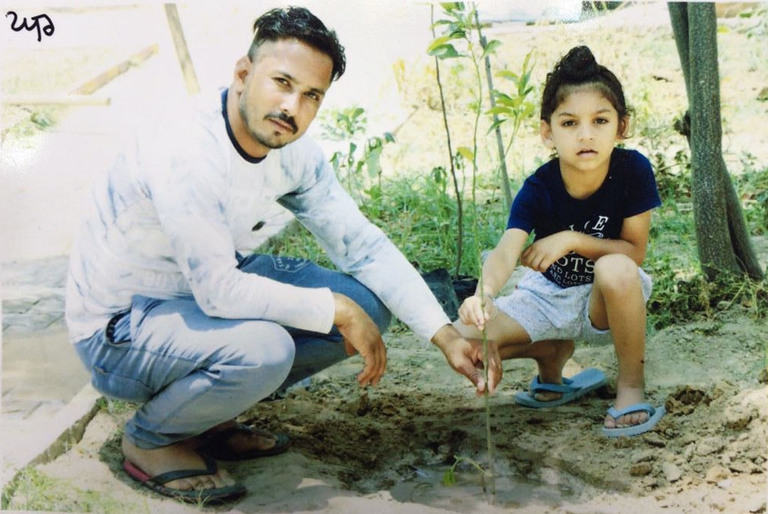
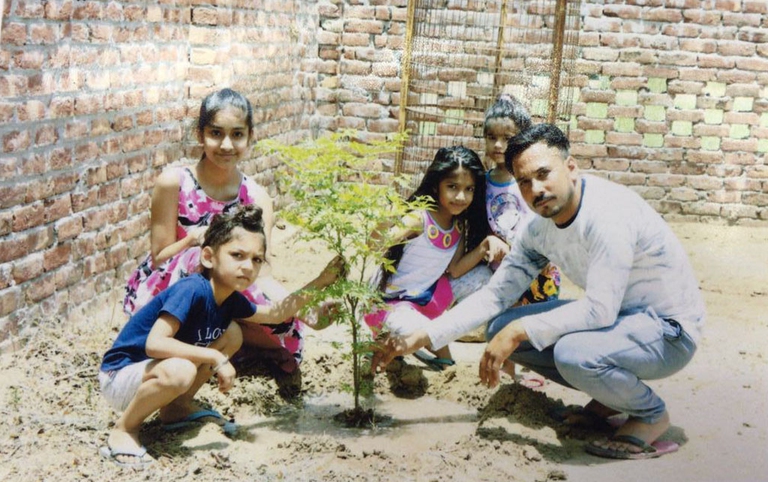
Desperate times call for desperate measures. A district in the Indian state of Punjab that has been reeling due to an extreme water crisis has found a peculiar way to deal with it. The inhabitants of the northern state’s Ferozepur district have to plant at least ten tree saplings to obtain a firearms licence. It may sound bizarre but it’s a well-thought strategy devised by the local administration: trees are the natural rechargers of underground water and also slow down stormwater runoff. This is also a major step in creating awareness about an environment that has virtually been gasping for breath.
The order promulgated on World Environment Day on 5 June clearly states that those seeking gun licences have to plant at least ten trees.“We’ve strictly asked the applicants to plant ten saplings and take a selfie to get the application form for the licence,” says Chander Gaind, Deputy Commissioner of Ferozepur district, praised in government and public circles for this unique initiative. “The applicant has to visit us again after one month with a selfie to prove that the saplings are being taken care of. The official proceedings for the licence start only if the activity has been managed well”.
Chander says that he has received over 100 applications since the order was passed. “We aim to plant at least 12,000 saplings in the next year. We also plan to extend the rule to the renewal of licences, which would further boost the green environment. We receive around 500 applications for renewable licences every month and around 5,000 saplings can be grown in that period, which can translate into 60,000 a year”. The district alone has around 20,000 gun users, he adds.
“Since the implementation of the rule, I’ve been receiving accolades on social media”, Chander points out, specifying that the overwhelming response has encouraged him to create awareness on the project. “I think that the same rule, if implemented across the country, could bring a sea change in the environment and could help mitigate the water crisis.”
Read more: India, conserving rainwater in subsurface soil to fight water scarcity
Punjab, the state that derives its name from five rivers – Beas, Sutlej, Ravi, Jhelum and Chenab – has grappled with extreme water shortages throughout its history, like many other in India. Massive exploitation of underground water has led to water scarcity in several of the state’s regions. Guzzling water on rice paddies, for example, is one of the causes of the sorry state of affairs. In some of the districts, water has been rendered unsuitable for irrigation due to excessive use.
Government reports fear that Punjab is on the verge of becoming a dry state, and that the change may occur in just a few years if no timely action is taken to save underground water. Besides, extensive development works including widening of roads and building of flyovers has also led to dwindling green cover, which may in part be recovered thanks to the unique initiative adopted in Ferozepur.
Siamo anche su WhatsApp. Segui il canale ufficiale LifeGate per restare aggiornata, aggiornato sulle ultime notizie e sulle nostre attività.

Quest'opera è distribuita con Licenza Creative Commons Attribuzione - Non commerciale - Non opere derivate 4.0 Internazionale.
A report by the NGO network Climate Action Network proposes a series of concrete changes to revitalise the UN Climate Change Conferences.
Pescasseroli, in the heart of Italy’s Apennines, will host the IBA conference on bear conservation and human–bear coexistence. LifeGate will be the event’s media partner.
The inflation caused by extreme weather events is known as “climateflation”: prices for many food products are expected to rise sharply.
The toll is still provisional, but data collected across several European countries indicate that tens of thousands of people have died as a result of extreme heat.
Last February, Malaysia imposed a total ban on electronic waste imports. Yet toxic e-waste continues to arrive from the United States and other countries through illegal trafficking networks.
Although Earth Overshoot Day falls six days later than in 2025, this does not represent an improvement. The shift is the result of revised estimates of the oceans’ carbon absorption capacity, while humanity’s actual ecological footprint continues to grow.
Gigantic wildfires in France’s Gironde region and near Madrid, Spain, have devastated tens of thousands of hectares of vegetation.
Greece has launched a wildfire management system based on nanosatellites and artificial intelligence. A model that other countries are now looking to replicate.
According to analysts, the emergence of a “super” El Niño could trigger a global food price shock, adding to inflationary pressures already fuelled by the conflict with Iran.


