



Pescasseroli, in the heart of Italy’s Apennines, will host the IBA conference on bear conservation and human–bear coexistence. LifeGate will be the event’s media partner.
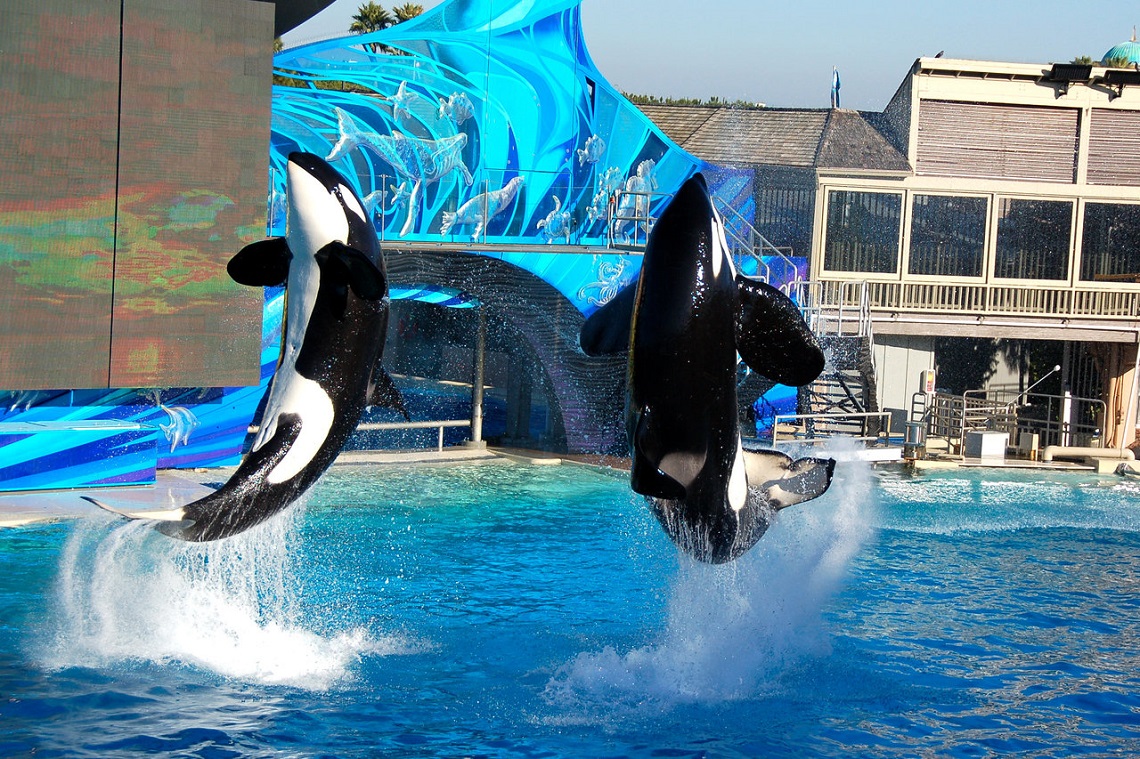
Il parco di San Diego ha annunciato che dal 2017 intende eliminare gradualmente gli spettacoli che vedono coinvolte le orche.
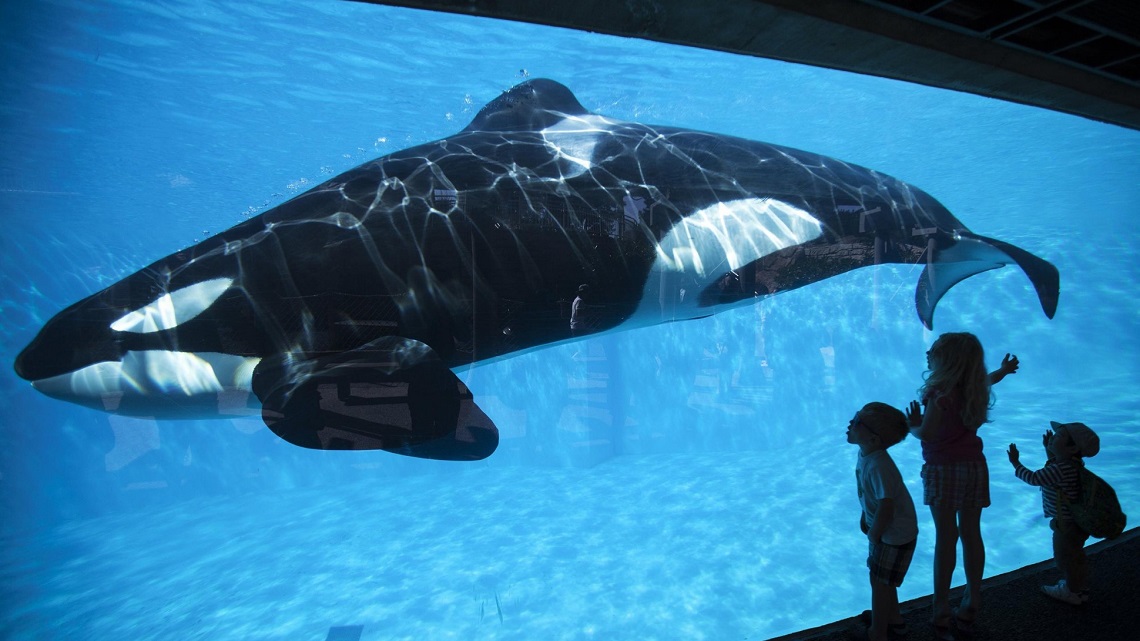
Killer whales (Orcinus orca), like all cetaceans, are sensitive, smart, and social creatures. Considering that in the wild orca whales live in packs of up to 40 individuals, imprisoning and forcing them to perform in shows just for human entertainment is an act of unacceptable cruelty. Held in small pools, orca whales physically lose energy and strength and end up going crazy, becoming aggressive and dangerous to instructors.
People’s awareness on the exploitation of these large marine mammals has significantly increased due to Blackfish, documentary launched in 2013 that – through the story of Tilikum, an individual of killer whale kept in captivity that killed 3 people – denounces the mistreatments to orca whales in water parks.
Public’s indignation due to the movie has inevitably involved marine parks using orca whales in their shows.
The water park SeaWorld of San Diego has announced that it will gradually end orca shows as of 2017. After the documentary, which showed cruelties against killer whales and other animals, SeaWorld’s stocks dropped, passing from 39 dollars in 2013 to 18.
Joel Manby, SeaWorld CEO, said that the decision of ending orca shows comes following protests and the significant slippage in visitors. The decision also comes after that a legislator proposed a draft law to ban live shows and captivity breeding of orca whales in California.
“Orca whales will be involved in activities in line with their nature and behaviours,” said Manby. However, it is not clear what that means and seems that captivity will continue. Moreover, nothing has been said on SeaWorld’s other parks in the US.
According to scientists, orca whales have developed a part of the brain that humans still haven’t: it is about emotions and awareness. Who knows how these beautiful animals pity us, considering us pathetically sterile, whilst we admire them swimming and jumping in small prisons.
Siamo anche su WhatsApp. Segui il canale ufficiale LifeGate per restare aggiornata, aggiornato sulle ultime notizie e sulle nostre attività.

Quest'opera è distribuita con Licenza Creative Commons Attribuzione - Non commerciale - Non opere derivate 4.0 Internazionale.
Pescasseroli, in the heart of Italy’s Apennines, will host the IBA conference on bear conservation and human–bear coexistence. LifeGate will be the event’s media partner.
The inflation caused by extreme weather events is known as “climateflation”: prices for many food products are expected to rise sharply.
The toll is still provisional, but data collected across several European countries indicate that tens of thousands of people have died as a result of extreme heat.
Last February, Malaysia imposed a total ban on electronic waste imports. Yet toxic e-waste continues to arrive from the United States and other countries through illegal trafficking networks.
Although Earth Overshoot Day falls six days later than in 2025, this does not represent an improvement. The shift is the result of revised estimates of the oceans’ carbon absorption capacity, while humanity’s actual ecological footprint continues to grow.
Gigantic wildfires in France’s Gironde region and near Madrid, Spain, have devastated tens of thousands of hectares of vegetation.
Greece has launched a wildfire management system based on nanosatellites and artificial intelligence. A model that other countries are now looking to replicate.
According to analysts, the emergence of a “super” El Niño could trigger a global food price shock, adding to inflationary pressures already fuelled by the conflict with Iran.
Residents of Kanseche, Malawi, accuse ABF of contributing to the devastating 2022 floods through its subsidiary, Illovo Sugar.


