



Gigantic wildfires in France’s Gironde region and near Madrid, Spain, have devastated tens of thousands of hectares of vegetation.
Secondo uno studio svedese, solo se mangeremo meno carne bovina e latticini potremo centrare i target di riduzione delle emissioni di gas ad effetto serra.
If Europe wants to meet its objectives to decrease greenhouse gas emissions, its citizens have to reduce their meat and dairy consumption. In other words, climate protection cannot leave our eating habits out of consideration. A scientific study carried out by Chalmers University of Technology of Göteborg, Sweden, points out how agriculture and livestock are responsible for a quarter of the emissions released in the EU, which are considered hazardous for the environment.
This industry – as explained by the study’s authors, specialised in environmental economy and biology – will have to cut its atmospheric pollution to 25%. Indeed, food farming represents a real threat to the entire world, considering that nitrous oxide from fields and methane from livestock may double by 2070 if the current methods (and amount) of production are not changed. “This alone would make meeting the climate target essentially impossible”.
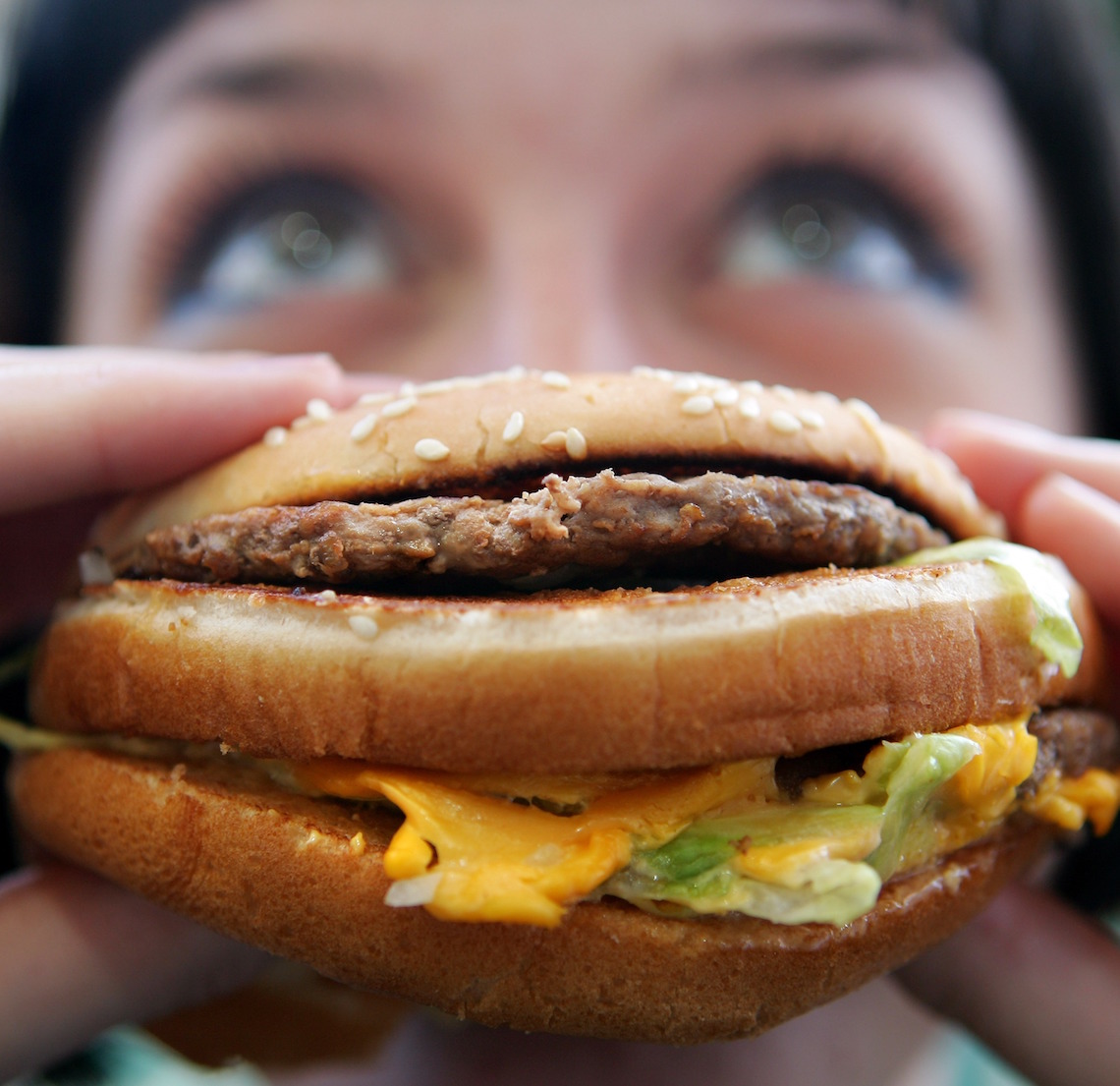
Consequently, a significant reduction – by 50% or more – in beef consumption and dairy production will be unavoidable. According to study’s co-author Stefan Wirsenius, favouring other types of meat – with a lower impact on the environment – will be necessary. The Swedish study underlines that the production of one kilogramme of beef generates about 200 kg of CO2 (compared to 10 kg and 30 kg for the same amount of pork and chicken meat respectively).
There’s more. According to a study carried out by the NGO Friends of the Earth, one kilogramme of beef requires 15,500 litres of water to be brought to our tables. With the same water amount, 12 kg of wheat or over 100 kg of carrots could be produced.
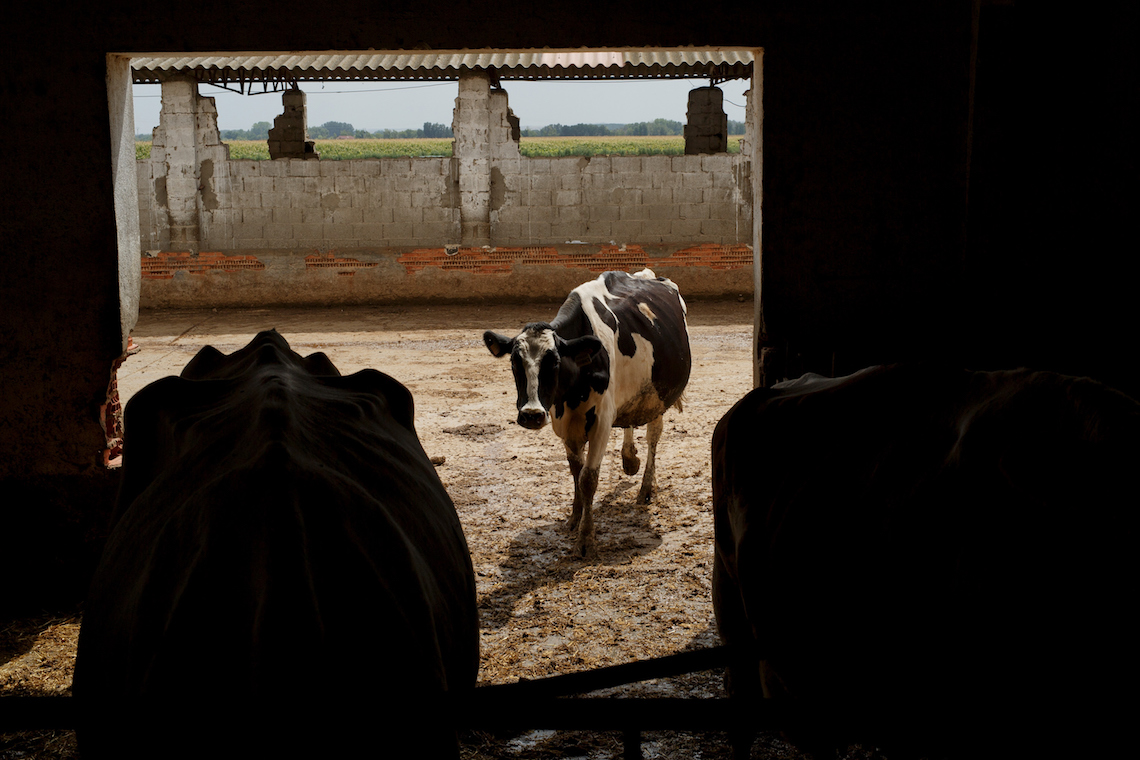
Not to mention that about 40% of the annual production of wheat, rye, oat, and corn is today used for fodder. This means that humanity prefers feeding cows with huge amounts of food rather than eating that amount directly.
Siamo anche su WhatsApp. Segui il canale ufficiale LifeGate per restare aggiornata, aggiornato sulle ultime notizie e sulle nostre attività.

Quest'opera è distribuita con Licenza Creative Commons Attribuzione - Non commerciale - Non opere derivate 4.0 Internazionale.
Gigantic wildfires in France’s Gironde region and near Madrid, Spain, have devastated tens of thousands of hectares of vegetation.
According to analysts, the emergence of a “super” El Niño could trigger a global food price shock, adding to inflationary pressures already fuelled by the conflict with Iran.
Secondo uno studio condotto da Chatham House e dall’Università di Glasgow le persone sarebbero propense a ridurre il consumo di carne per motivi di salute e per ridurre l’impatto ambientale.
Residents of Kanseche, Malawi, accuse ABF of contributing to the devastating 2022 floods through its subsidiary, Illovo Sugar.
France, Spain, Portugal and Greece are fighting wildfires, some of which are still out of control.
Much of Western Europe is already dealing with temperatures that in many cities are approaching or exceeding 35°C.
After a landslide led to twelve deaths on the island of Ischia, questions have been raised about the impacts of illegal building, tourism, and climate change.
Not much snow, peaks of 19 degrees Celsius in Norway and even 28 degrees in France: official data confirms the anomalously high temperatures of this past winter.
Ocean warming has risen to record highs over the last five years: just in 2019 the heat released into the world’s oceans was equivalent to that of 5-6 atomic bombs per second. The culprit, no doubt, is climate change.


