



A report by the NGO network Climate Action Network proposes a series of concrete changes to revitalise the UN Climate Change Conferences.
One Like, one square meter of forest protected. This is the commitment of Italian paper manufacturer Favini in occasion of Earth Day.
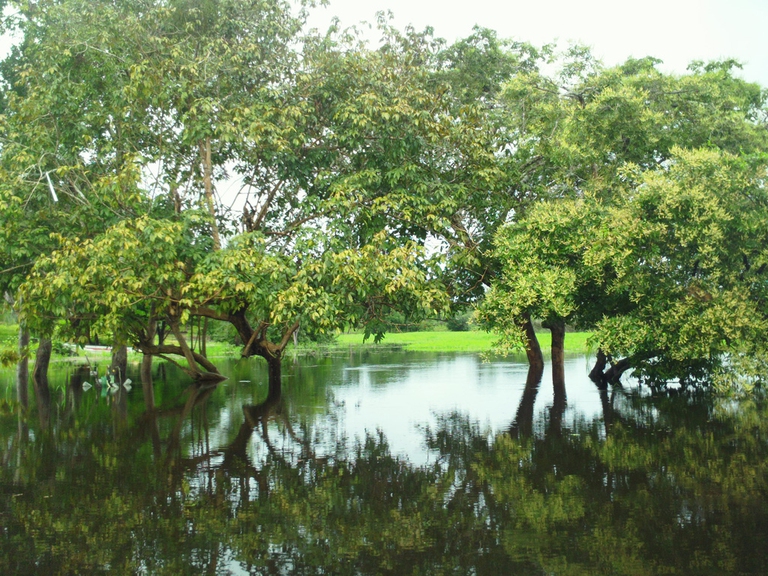
For Earth Day, Italian paper manufacturer Favini launches One like, one forest, the initiative that protects the Amazon rainforest in Brazil thanks to Facebook. For every new “Like” on Favini’s official Facebook page, one square metre of forest will be protected. The aim is to contribute to safeguarding our planet’s green lungs, which are essential to absorbing global CO2 emissions. The initiative is carried out in collaboration with LifeGate’s Stand Up Forests project, which protects 560 hectares in the Brazilian Amazon together with the NGOs Avive and Icei. This portion of land has been given to 27 families of the San Pedro community who, by using the resource daily, learn how to take care of it.
Respect for people and the planet has always been a key aspect of Favini’s philosophy. In fact, all its products are produced with 100% FSC® (Forest Stewardship Council), COC (Chain of Custody) or CW (Controlled Wood) certified cellulose. FSC certification ensures that the products come from forests that are managed responsibly. Favini categorically refuses the use of raw materials coming from high conservation value forests that are cut illegally, as well as from areas where workers rights are violated and the principles established by the International Labour Organisation (ILO) aren’t respected. This is a real commitment to the future that can be supported with a simple Like.
Siamo anche su WhatsApp. Segui il canale ufficiale LifeGate per restare aggiornata, aggiornato sulle ultime notizie e sulle nostre attività.

Quest'opera è distribuita con Licenza Creative Commons Attribuzione - Non commerciale - Non opere derivate 4.0 Internazionale.
A report by the NGO network Climate Action Network proposes a series of concrete changes to revitalise the UN Climate Change Conferences.
Pescasseroli, in the heart of Italy’s Apennines, will host the IBA conference on bear conservation and human–bear coexistence. LifeGate will be the event’s media partner.
The inflation caused by extreme weather events is known as “climateflation”: prices for many food products are expected to rise sharply.
The toll is still provisional, but data collected across several European countries indicate that tens of thousands of people have died as a result of extreme heat.
Last February, Malaysia imposed a total ban on electronic waste imports. Yet toxic e-waste continues to arrive from the United States and other countries through illegal trafficking networks.
Although Earth Overshoot Day falls six days later than in 2025, this does not represent an improvement. The shift is the result of revised estimates of the oceans’ carbon absorption capacity, while humanity’s actual ecological footprint continues to grow.
Gigantic wildfires in France’s Gironde region and near Madrid, Spain, have devastated tens of thousands of hectares of vegetation.
Greece has launched a wildfire management system based on nanosatellites and artificial intelligence. A model that other countries are now looking to replicate.
According to analysts, the emergence of a “super” El Niño could trigger a global food price shock, adding to inflationary pressures already fuelled by the conflict with Iran.


