


Pescasseroli, in the heart of Italy’s Apennines, will host the IBA conference on bear conservation and human–bear coexistence. LifeGate will be the event’s media partner.
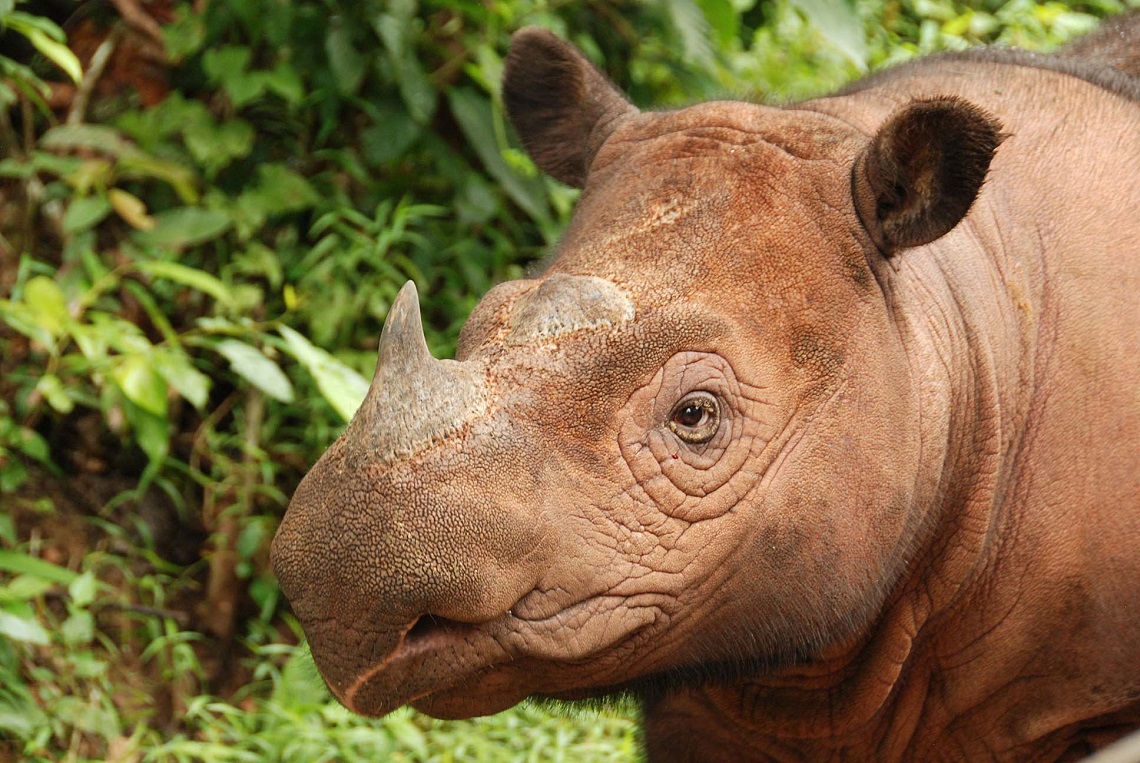
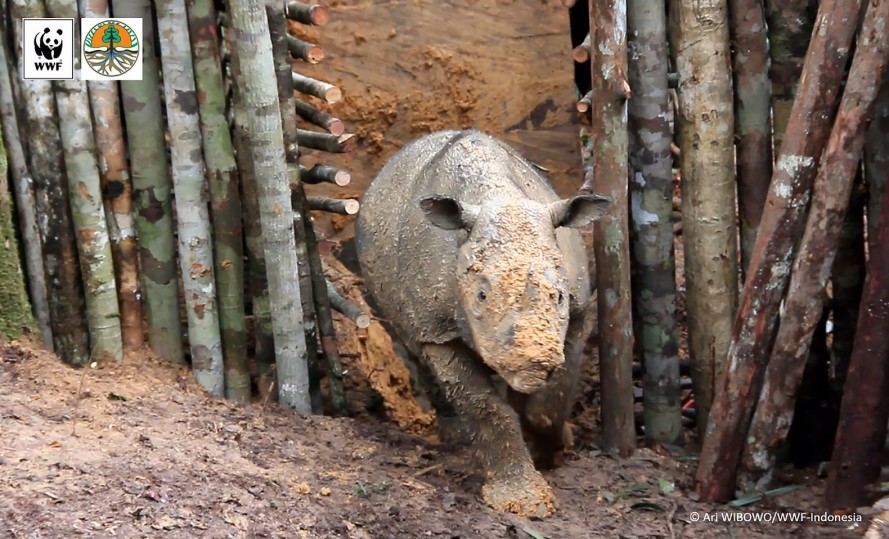
Her rediscovery had been welcomed with real enthusiasm by biologists, environmentalists and all those who have nature close to their heart. Before the capture of the female Sumatran rhino (Dicerorhinus sumatrensis) named Najaq, no individual had been encountered for over 40 years in Kalimantan, Indonesian Borneo. The female rhino was captured by WWF thanks
Her rediscovery had been welcomed with real enthusiasm by biologists, environmentalists and all those who have nature close to their heart. Before the capture of the female Sumatran rhino (Dicerorhinus sumatrensis) named Najaq, no individual had been encountered for over 40 years in Kalimantan, Indonesian Borneo.
The female rhino was captured by WWF thanks to a pit trap used to monitor wildlife. She was supposed to be brought to a protected area in Borneo, 150 kilometres away, in order to keep her safe and far from poaching. However, Najaq never reached the natural reserve and she thus won’t be able to maintain her beautiful yet endangered species: she has died due to a leg infection.
The sad news has been released by the International Rhino Foundation, which declared it will carry out an investigation to verify the causes of the death and to figure out if the infection has developed due to the capture. If this is what actually has happened, conservation strategies should be reconsidered, as their aim is preserving animal species, but way too often they turn out to be too “aggressive”.
“It is our hope that the next rhino captured in Kalimantan will be sent to the Sumatran Rhino Sanctuary where it can be cared for in a permanent facility by experienced veterinarians and keepers,” the International Rhino Foundation wrote in a statement. “Most importantly, we hope that the next rhino captured will be part of the much-needed Sumatran rhino metapopulation management strategy, while concurrent surveys are conducted to accurately determine the population in Kalimantan and appropriate long-term plans made”.
According to WWF-Indonesia, the wound that caused Najaq’s death would have been caused by a poachers’ snare. Upon capture, she was given antibiotics, anti-inflammatory medicine, and vitamins, under the care of a team of veterinarians from five organizations including the WWF. For a time it appeared Najaq might recover, as she was eating regularly, but then her infection worsened.
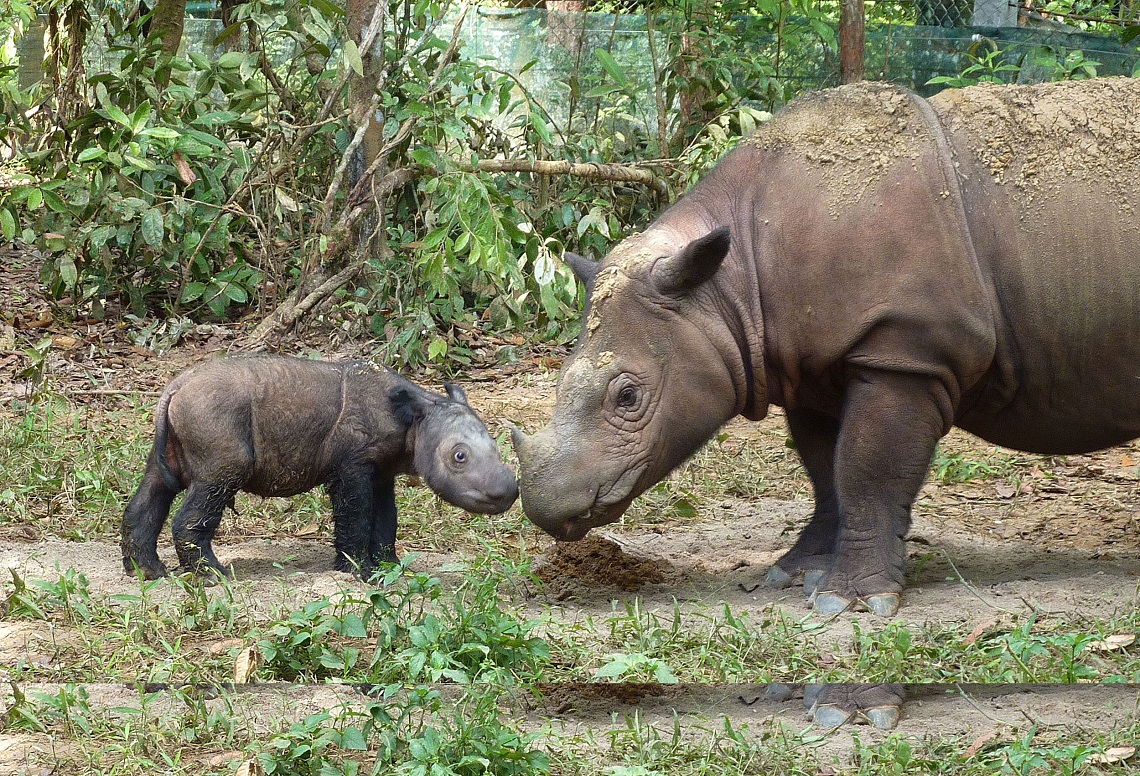
Najaq’s death represents yet another bad news for the species, which has been already decimated by poaching and habitat loss caused by logging and mining. It is estimated that only less than 100 individual survive in the wild, making the Sumatran rhino one of the world’s rarest mammals.
Siamo anche su WhatsApp. Segui il canale ufficiale LifeGate per restare aggiornata, aggiornato sulle ultime notizie e sulle nostre attività.

Quest'opera è distribuita con Licenza Creative Commons Attribuzione - Non commerciale - Non opere derivate 4.0 Internazionale.
Pescasseroli, in the heart of Italy’s Apennines, will host the IBA conference on bear conservation and human–bear coexistence. LifeGate will be the event’s media partner.
Ecuador’s shrimp exports continue to grow, but the country’s mangrove ecosystems are paying the highest price.
Its oceanic microclimate, fertile soils, and the alternation of rain and sunshine make Normandy the ideal place for flax cultivation. A journey through the region offers a close-up look at the European flax supply chain, from cultivation to fibre processing.
Our species took its first steps in a world covered in trees. Today, forests offer us sustenance, shelter, and clean the air that we breathe.
Poachers in Africa are encroaching on wildlife land and killing rhinos in travel hot spots now devoid of visitors due to the coronavirus pandemic.
Actor and environmental activist Leonardo DiCaprio has contributed two million dollars to a fund to protect Virunga National Park in Congo from threats such as terrorism, the coronavirus and poaching.
For the first time in seventeen years, Iceland’s two main whaling companies won’t resume whale hunting. The announcement concerns this year’s season but could carry into the future.
The relationship between the coronavirus and wildlife is complex: while the pandemic may lead to a reduction in the illegal trade in wild animals, it may also encourage it in other respects.
The largest coral reef in the world is severely threatened by climate change, but researchers are developing strategies that could contribute to saving the Great Barrier Reef.