





Pescasseroli, in the heart of Italy’s Apennines, will host the IBA conference on bear conservation and human–bear coexistence. LifeGate will be the event’s media partner.
International cooperation pays off and the three countries involved in the great conservation effort around the Mont-Blanc area know it well. Italy, France and Switzerland started work collaboratively, founding the Espace Mont-Blanc in 1991. The idea originated in occasion of the celebration of the bicentennial of the first ascent of one of the highest peaks in Europe.
International cooperation pays off and the three countries involved in the great conservation effort around the Mont-Blanc area know it well. Italy, France and Switzerland started work collaboratively, founding the Espace Mont-Blanc in 1991. The idea originated in occasion of the celebration of the bicentennial of the first ascent of one of the highest peaks in Europe.
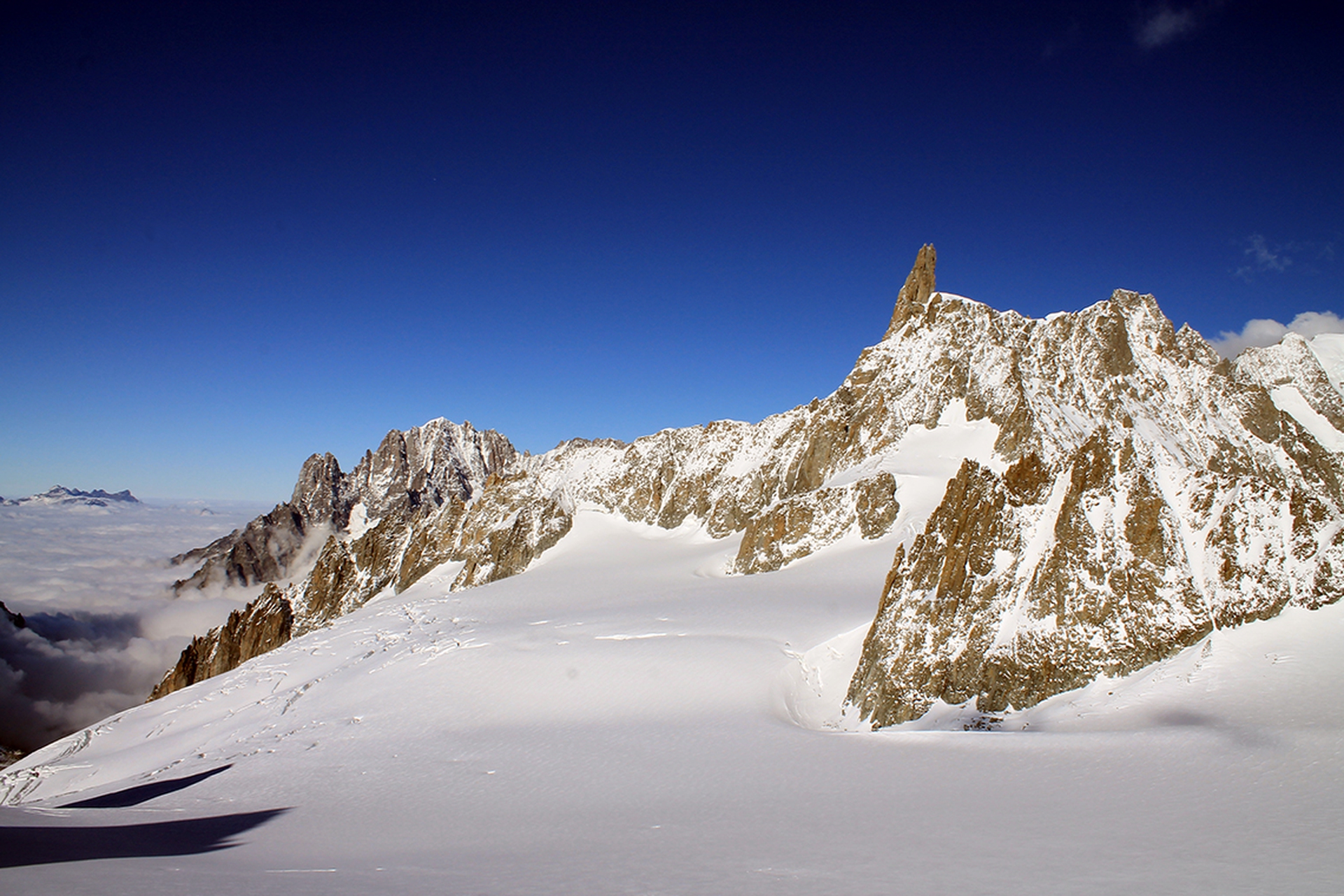
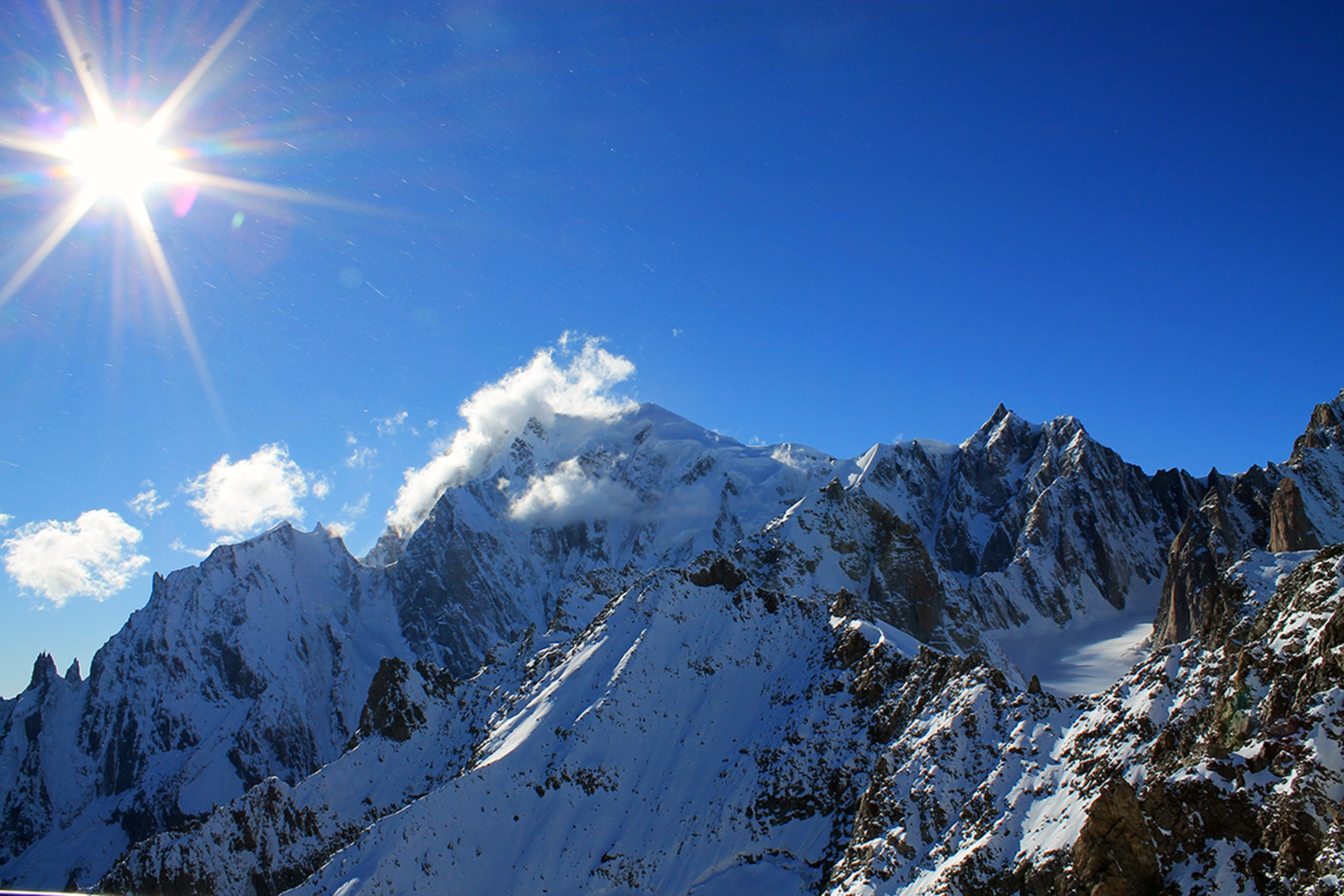
A privileged laboratory of experimentation between three countries, around one geographic region of incomparable importance: the Mont-Blanc. The aim was and still is to work on the sustainable development and preservation of the delicate mountainous area, where in just 150 years the surface of perennial snow has shrunk about 50 per cent. This year Espace Mont-Blanc celebrates its 25th anniversary.
A trans-boundary cooperation project involving numerous experimental activities on the effects of climate change at high altitudes was started in 2013. A fruitful collaboration, Eco innovation en altitude had the major goal of finding lasting solutions for the management of high altitude structures such as huts and bivouacs.
The project lasted two years during which the countries shared knowledge and best practices and defined common strategies to spread awareness on environmental sustainability. Different actions were taken, such as the environmental campaign that engaged more than 500 hikers. High altitude refuges such as Rifugio Guide del Cervino were directly involved as well: energy efficient systems to treat grey water were installed and tested, along with new systems to handle waste and recycle better. Refuge hosts were trained on sustainability practices. Environmental audits were conducted during the project to evaluate the experiments.
After years of study and work, in 2006 Espace Mont-Blanc developed the Sustainable Development Schema. Between 2007 and 2013, the Plan Intégré Transfrontalier (Transboundary Integrated Plan, or PIT), financed by the European programme for France-Italy cooperation (ALCOTRA), led to the realisation of concrete actions. Today the Espace Mont-Blanc launches the priorities issued by its Stratégie d’Avenir Pour le Mont Blanc (Strategy for the Future of Mont Blanc). In 2014 The Mont Blanc Transboundary Conference approved the Strategy for the Future, a major tool for ensuring consistency of public policies regarding the territories around Mont Blanc.
Siamo anche su WhatsApp. Segui il canale ufficiale LifeGate per restare aggiornata, aggiornato sulle ultime notizie e sulle nostre attività.

Quest'opera è distribuita con Licenza Creative Commons Attribuzione - Non commerciale - Non opere derivate 4.0 Internazionale.
Pescasseroli, in the heart of Italy’s Apennines, will host the IBA conference on bear conservation and human–bear coexistence. LifeGate will be the event’s media partner.
The inflation caused by extreme weather events is known as “climateflation”: prices for many food products are expected to rise sharply.
The toll is still provisional, but data collected across several European countries indicate that tens of thousands of people have died as a result of extreme heat.
Last February, Malaysia imposed a total ban on electronic waste imports. Yet toxic e-waste continues to arrive from the United States and other countries through illegal trafficking networks.
Although Earth Overshoot Day falls six days later than in 2025, this does not represent an improvement. The shift is the result of revised estimates of the oceans’ carbon absorption capacity, while humanity’s actual ecological footprint continues to grow.
Gigantic wildfires in France’s Gironde region and near Madrid, Spain, have devastated tens of thousands of hectares of vegetation.
Greece has launched a wildfire management system based on nanosatellites and artificial intelligence. A model that other countries are now looking to replicate.
According to analysts, the emergence of a “super” El Niño could trigger a global food price shock, adding to inflationary pressures already fuelled by the conflict with Iran.
Residents of Kanseche, Malawi, accuse ABF of contributing to the devastating 2022 floods through its subsidiary, Illovo Sugar.


