



A report by the NGO network Climate Action Network proposes a series of concrete changes to revitalise the UN Climate Change Conferences.
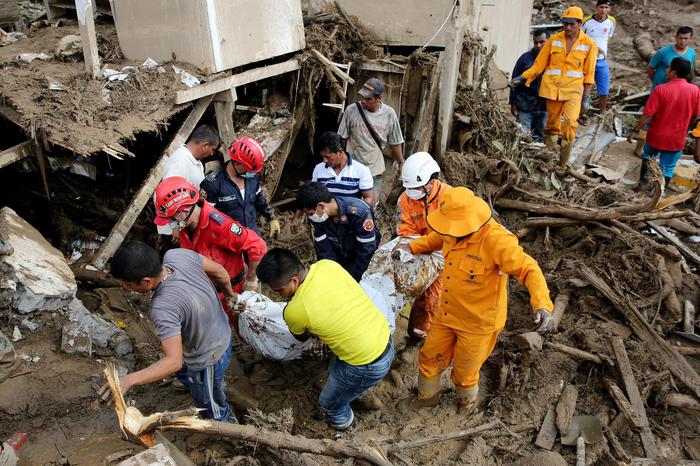
A landslide has hit Mocoa, a Colombian city home to 40,000 people, flooding it with mud and debris. According to local sources, the accumulated rainfall in a few hours was almost one third of the amount normally accumulated over a month. Rescuers, including the Red Cross and more than 1,000 military men, are tirelessly working to
A landslide has hit Mocoa, a Colombian city home to 40,000 people, flooding it with mud and debris. According to local sources, the accumulated rainfall in a few hours was almost one third of the amount normally accumulated over a month.
Rescuers, including the Red Cross and more than 1,000 military men, are tirelessly working to find as many survivors as possible. The death toll is appalling though: at least 254 people died, of which 44 were children, while hundreds are still missing.
Tragedia de Mocoa me duele como Presidente y ser humano. Mis más sentidas condolencias a cada familiar de las víctimas #TodosConMocoa pic.twitter.com/YsEiNWNVoG
— Juan Manuel Santos (@JuanManSantos) 1 aprile 2017
The landslide that hit the city of Mocoa, 500 kilometres south of Bogotá in the province of Putumayo and close to the border with Ecuador, was unprecedented. President Juan Manuel Santos reached the site of the tragedy, tweeting a video and declaring a state of emergency. According to BBC, the landslide struck at night, catching the inhabitants of Mocoa off guard.
The landslide in Colombia came just a few days after the flooding that brought the north of Peru to its knees, affecting more than 800 cities. The extreme weather events that are brutally hitting South America are thought to be linked to El Nino, which is causing temperatures and humidity levels to rise. 500,000 people had their houses damaged in Peru alone.
Siamo anche su WhatsApp. Segui il canale ufficiale LifeGate per restare aggiornata, aggiornato sulle ultime notizie e sulle nostre attività.

Quest'opera è distribuita con Licenza Creative Commons Attribuzione - Non commerciale - Non opere derivate 4.0 Internazionale.
A report by the NGO network Climate Action Network proposes a series of concrete changes to revitalise the UN Climate Change Conferences.
Pescasseroli, in the heart of Italy’s Apennines, will host the IBA conference on bear conservation and human–bear coexistence. LifeGate will be the event’s media partner.
The inflation caused by extreme weather events is known as “climateflation”: prices for many food products are expected to rise sharply.
The toll is still provisional, but data collected across several European countries indicate that tens of thousands of people have died as a result of extreme heat.
Last February, Malaysia imposed a total ban on electronic waste imports. Yet toxic e-waste continues to arrive from the United States and other countries through illegal trafficking networks.
Although Earth Overshoot Day falls six days later than in 2025, this does not represent an improvement. The shift is the result of revised estimates of the oceans’ carbon absorption capacity, while humanity’s actual ecological footprint continues to grow.
Gigantic wildfires in France’s Gironde region and near Madrid, Spain, have devastated tens of thousands of hectares of vegetation.
Greece has launched a wildfire management system based on nanosatellites and artificial intelligence. A model that other countries are now looking to replicate.
According to analysts, the emergence of a “super” El Niño could trigger a global food price shock, adding to inflationary pressures already fuelled by the conflict with Iran.


