



Pescasseroli, in the heart of Italy’s Apennines, will host the IBA conference on bear conservation and human–bear coexistence. LifeGate will be the event’s media partner.
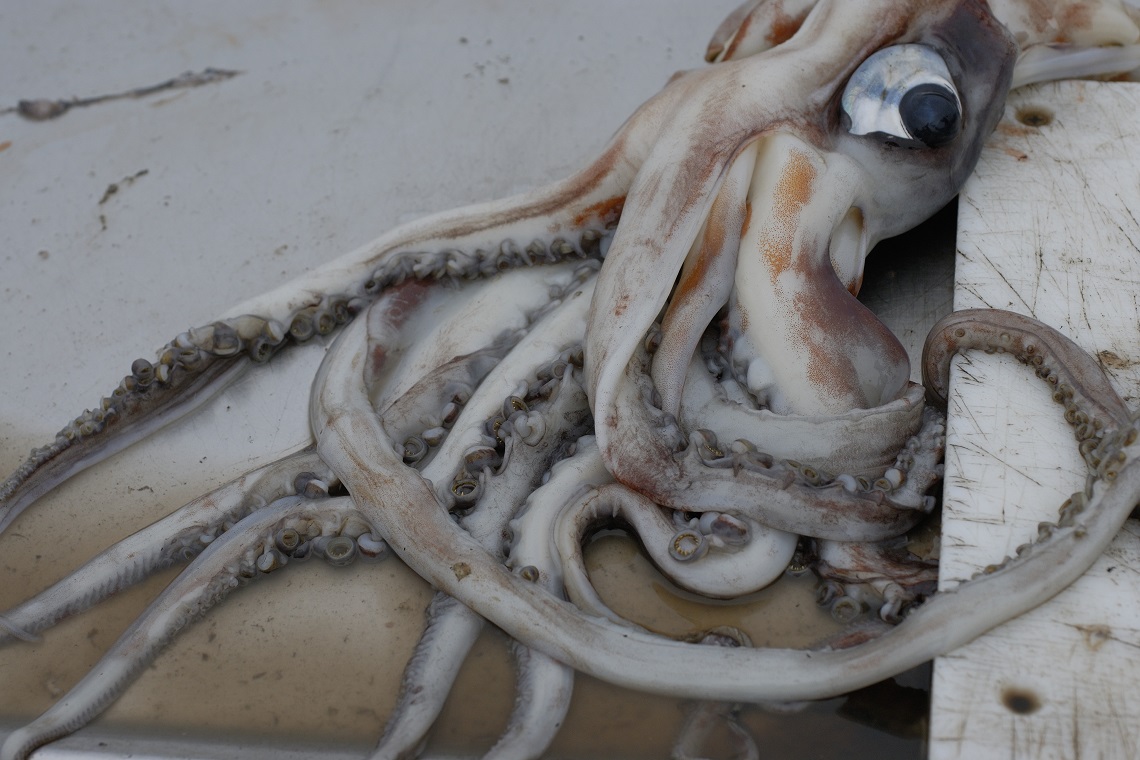
An apocalyptic scenario: tens of thousands of dead Humboldt squids (Dosidicus gigas) have been washed up on the shores of Santa Maria Island in Chile over the past week. However, scientists still ignore the causes of this mysterious mass die-off. The mass deaths of these large cephalopods may have been caused to increased sea
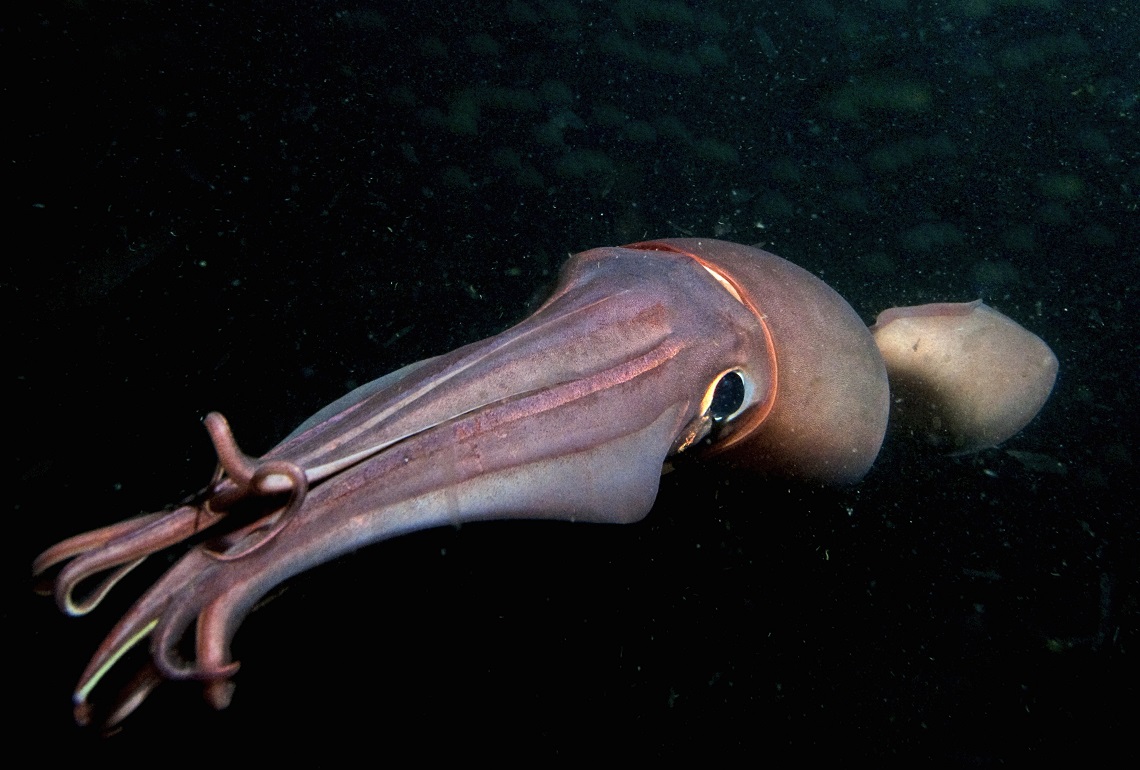
An apocalyptic scenario: tens of thousands of dead Humboldt squids (Dosidicus gigas) have been washed up on the shores of Santa Maria Island in Chile over the past week. However, scientists still ignore the causes of this mysterious mass die-off.
The mass deaths of these large cephalopods may have been caused to increased sea water temperatures, linked to El Niño, but other forms of pollution haven’t been excluded. The decomposition of the animals, besides originating a terrific smell, raises concern for local population’s health. In fact, many bulldozers are working to collect and bury carcasses.
In order to shed light on the phenomenon, the technicians of the Chilean Service for Fisheries and Aquaculture (Sernapesca) have collected samples of dead squid and sea water for analysis in specialised centres. Islanders are used to see fish and cephalopods wash ashore this period of the year, but it’s the very first time the phenomenon has reached biblical proportions.
According to Rodrigo Valencia of Sernapesca, the Humboldt squid die-off may have been caused by the so called upwelling, an oceanographic phenomenon that involves wind-driven motion of dense, cooler, and usually nutrient-rich water towards the ocean surface, replacing the warmer, usually nutrient-depleted surface water.
This phenomenon lures whales and other large predators, causing “a drop in oxygen levels, which led to the death of these creatures,” Valencia said.
Siamo anche su WhatsApp. Segui il canale ufficiale LifeGate per restare aggiornata, aggiornato sulle ultime notizie e sulle nostre attività.

Quest'opera è distribuita con Licenza Creative Commons Attribuzione - Non commerciale - Non opere derivate 4.0 Internazionale.
Pescasseroli, in the heart of Italy’s Apennines, will host the IBA conference on bear conservation and human–bear coexistence. LifeGate will be the event’s media partner.
Ecuador’s shrimp exports continue to grow, but the country’s mangrove ecosystems are paying the highest price.
Sea is the cradle of life, but Chilean waters have turned into a grave. Unprecedented red tide is killing millions of marine creatures in the Pacific Ocean, off the coast of Chiloé Island, in Los Lagos region, southern Chile. It is the largest die-off of marine wildlife in the country’s history. What caused the red
Its oceanic microclimate, fertile soils, and the alternation of rain and sunshine make Normandy the ideal place for flax cultivation. A journey through the region offers a close-up look at the European flax supply chain, from cultivation to fibre processing.
Our species took its first steps in a world covered in trees. Today, forests offer us sustenance, shelter, and clean the air that we breathe.
Poachers in Africa are encroaching on wildlife land and killing rhinos in travel hot spots now devoid of visitors due to the coronavirus pandemic.
Actor and environmental activist Leonardo DiCaprio has contributed two million dollars to a fund to protect Virunga National Park in Congo from threats such as terrorism, the coronavirus and poaching.
For the first time in seventeen years, Iceland’s two main whaling companies won’t resume whale hunting. The announcement concerns this year’s season but could carry into the future.
The relationship between the coronavirus and wildlife is complex: while the pandemic may lead to a reduction in the illegal trade in wild animals, it may also encourage it in other respects.


