



Pescasseroli, in the heart of Italy’s Apennines, will host the IBA conference on bear conservation and human–bear coexistence. LifeGate will be the event’s media partner.
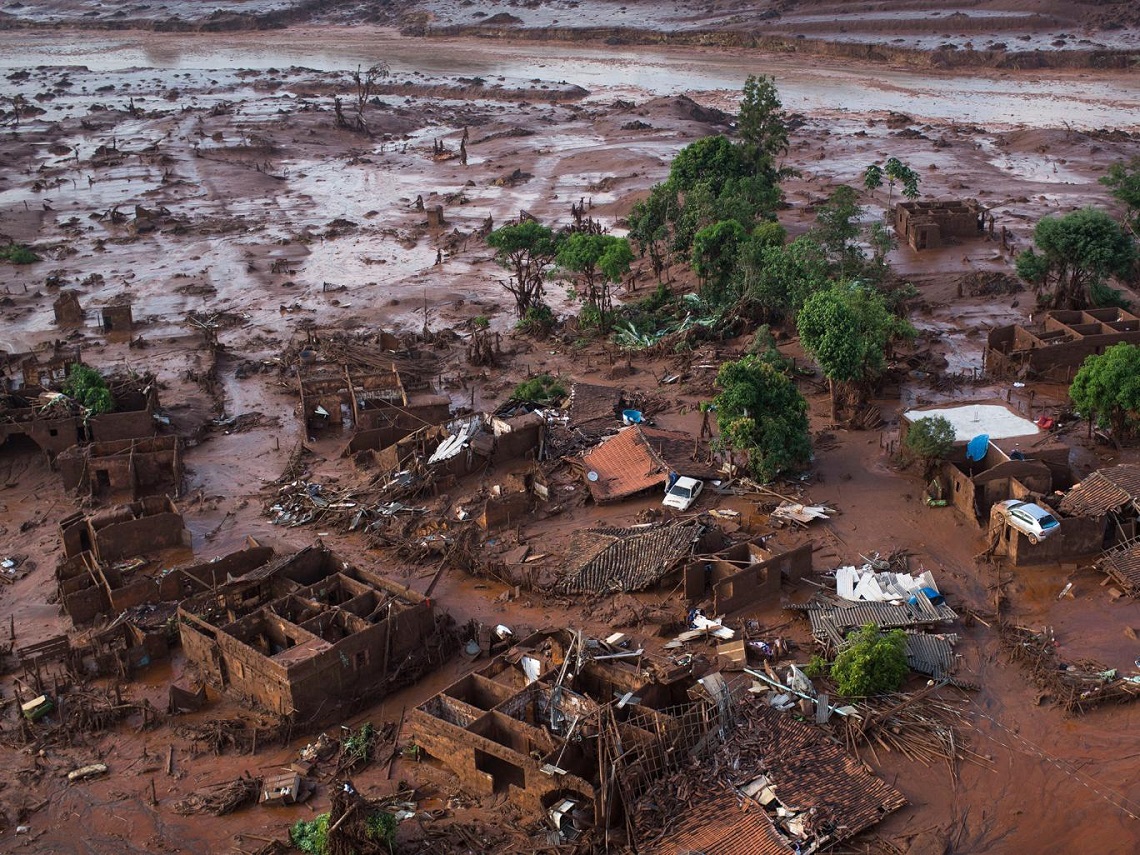
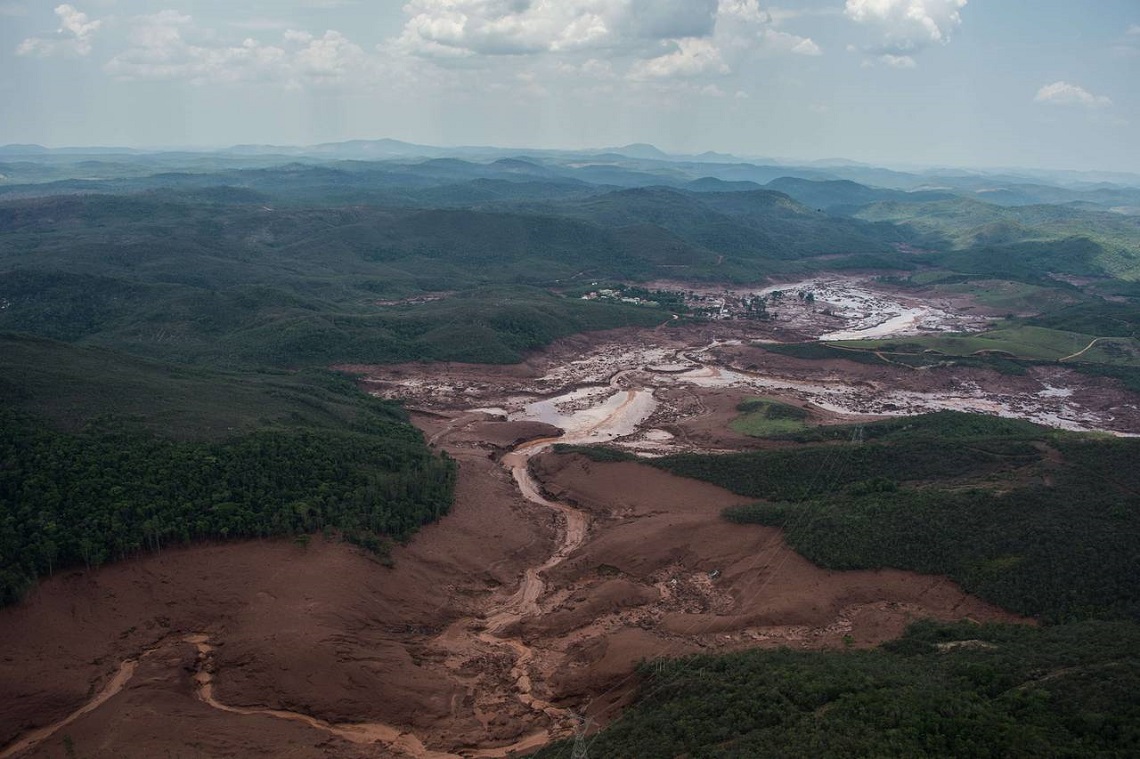
It’s been nearly four months since the dam disaster has poisoned Brazil, representing the worst environmental catastrophe in the country’s history and one of the world’s harshest. On 5 November, two dams collapsed in Minas Gerais region, South-eastern Brazil, spilling tonnes of toxic mud and killing 19 people. The area has been devastated, in particular the Doce
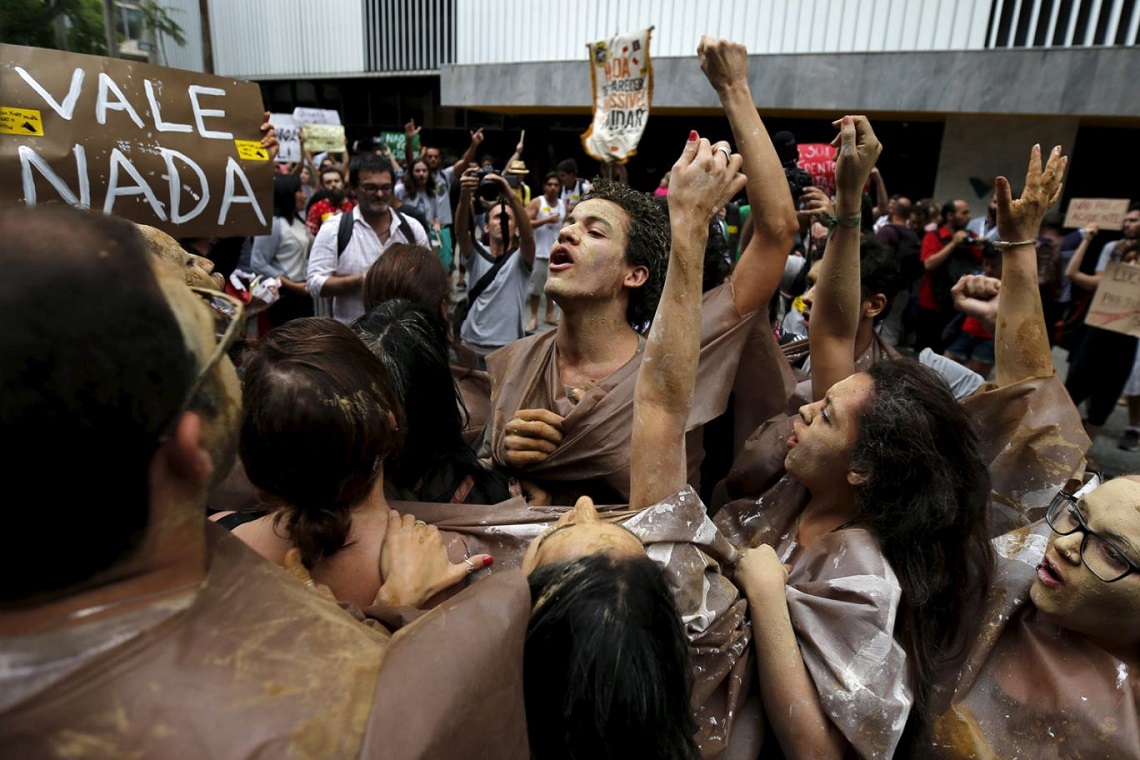
It’s been nearly four months since the dam disaster has poisoned Brazil, representing the worst environmental catastrophe in the country’s history and one of the world’s harshest. On 5 November, two dams collapsed in Minas Gerais region, South-eastern Brazil, spilling tonnes of toxic mud and killing 19 people. The area has been devastated, in particular the Doce River, one of Brazil’s largest watercourses, essential for livelihoods of local communities and for plant and animal species.
Samarco, the mining company responsible for the disaster, owned by mining giants Vale and BHP Billiton, has paid two fines so far: 60 million dollars and 250 million dollars. However, in the aftermath of the tragedy experts estimated that damages had an environmental and social cost of billions of dollars.
The dam burst real impact still remains incalculable, but Brazil’s government requested to Samarco a new compensation of 20 billion Brazilian reals (about 5 billion dollars), as announced on Wednesday by Attorney General Luís Inácio Adams.
The compensation will be used to finance a ten-year programme aimed to restore and recover the environment, said Marilene Ramos, head of Brazil’s environmental protection agency IBAMA. Samarco already submitted a long-term environmental recovery plan on 28 January, which was rejected by IBAMA though.
However, the compensation and the area recovery won’t exclude Samarco from its criminal responsibility. The mining company’s director and a dozen managers are currently charged with environmental disaster, and they could also face murder charges.
Siamo anche su WhatsApp. Segui il canale ufficiale LifeGate per restare aggiornata, aggiornato sulle ultime notizie e sulle nostre attività.

Quest'opera è distribuita con Licenza Creative Commons Attribuzione - Non commerciale - Non opere derivate 4.0 Internazionale.
Pescasseroli, in the heart of Italy’s Apennines, will host the IBA conference on bear conservation and human–bear coexistence. LifeGate will be the event’s media partner.
The inflation caused by extreme weather events is known as “climateflation”: prices for many food products are expected to rise sharply.
The toll is still provisional, but data collected across several European countries indicate that tens of thousands of people have died as a result of extreme heat.
Last February, Malaysia imposed a total ban on electronic waste imports. Yet toxic e-waste continues to arrive from the United States and other countries through illegal trafficking networks.
Although Earth Overshoot Day falls six days later than in 2025, this does not represent an improvement. The shift is the result of revised estimates of the oceans’ carbon absorption capacity, while humanity’s actual ecological footprint continues to grow.
Gigantic wildfires in France’s Gironde region and near Madrid, Spain, have devastated tens of thousands of hectares of vegetation.
Greece has launched a wildfire management system based on nanosatellites and artificial intelligence. A model that other countries are now looking to replicate.
According to analysts, the emergence of a “super” El Niño could trigger a global food price shock, adding to inflationary pressures already fuelled by the conflict with Iran.
Residents of Kanseche, Malawi, accuse ABF of contributing to the devastating 2022 floods through its subsidiary, Illovo Sugar.


