


Pescasseroli, in the heart of Italy’s Apennines, will host the IBA conference on bear conservation and human–bear coexistence. LifeGate will be the event’s media partner.
Il Perù ha stabilito che non si potrà costruire in prossimità della costa di Chicama, dove si forma una delle più grandi onde del mondo.
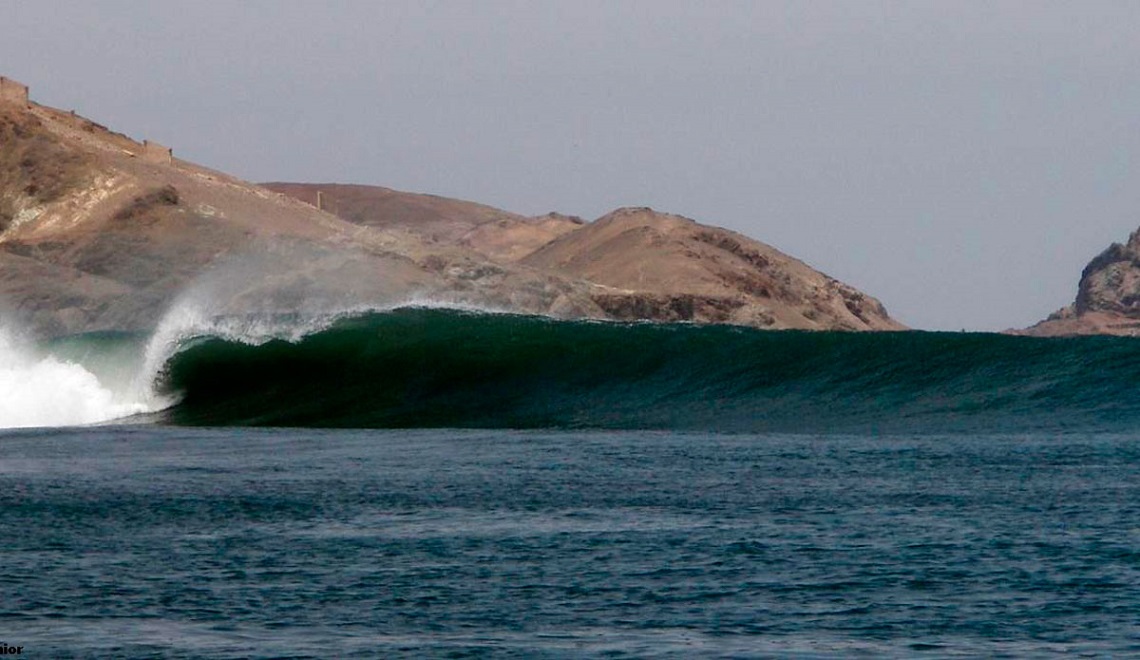
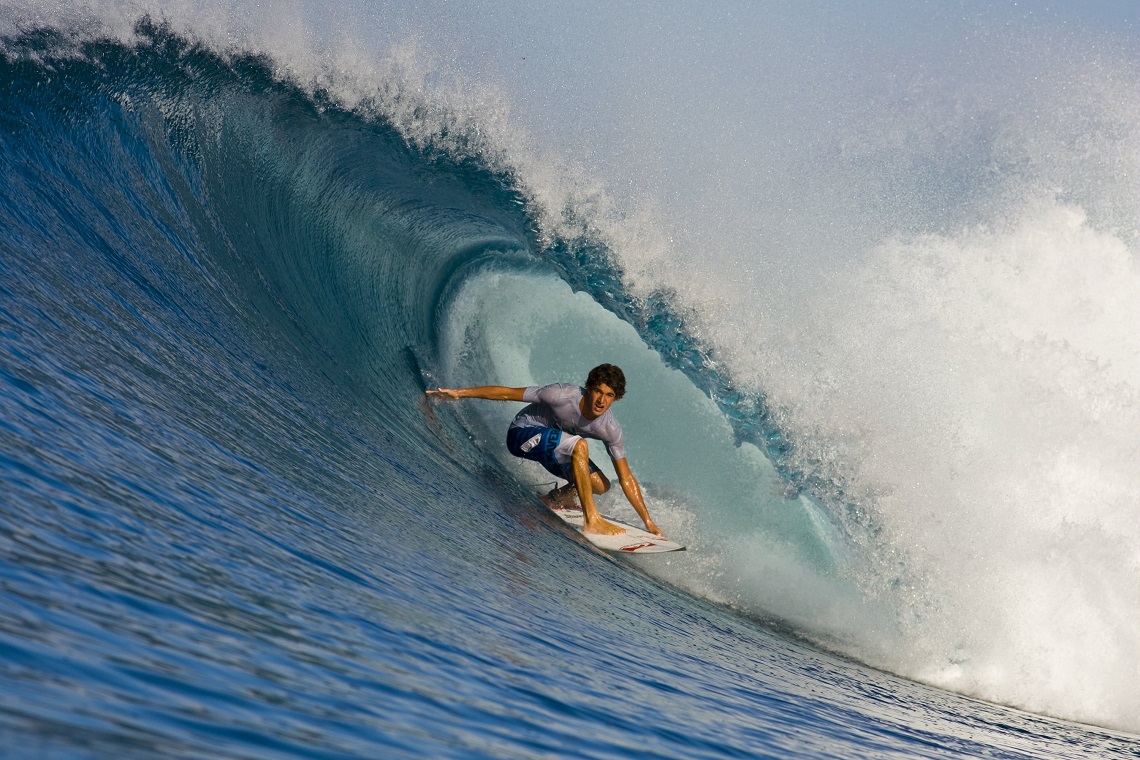
Along Peru’s Northern Pacific coast there’s a small village of fishermen named Chicama, home to a legendary wave, the world’s longest left. This extraordinary wave is today a little bit safer, to the joy of local population and surfers: Chicama has become the first wave in the world to be protected by a national law.
Peru’s government, through the Law 27280, has set out regulations for the safeguard of the coast involved. For instance, from now on it is forbidden to build anything up to one kilometre from the wave that may affect the shape of the wave, or even the wind.
The policies regarding the protection of waves and coasts, extraordinary environmental and tourist resources for the country, are only at their initial stages. Peruvian government has announced it will soon protect five other waves, reaching a total of 130 waves protected. It took over 2 years and numerous environmental impact assessments, but an historic deal has been achieved.
[vimeo url=”https://vimeo.com/124110311″]
“We’re super proud,” said Karín Sierralte, Executive Director of the Peruvian Surfing Federation, “Soon we are going to have more waves protected. I cannot say which ones they are, because some people may use this time to start building something without authorization and therefore harming our coast.”
We often see surfers and environmental organisations fighting against governments and local administrations to safeguard coasts. An example is Ramón Navarro, Chilean surfer and Patagonia Ambassador who is committed to protecting famed Punta de Lobos from the uncontrolled coastal development and turning it into a surfing natural reserve.
But in this case, surfers, locals, and the government worked together to protect the waves of Chicama.
Siamo anche su WhatsApp. Segui il canale ufficiale LifeGate per restare aggiornata, aggiornato sulle ultime notizie e sulle nostre attività.

Quest'opera è distribuita con Licenza Creative Commons Attribuzione - Non commerciale - Non opere derivate 4.0 Internazionale.
Pescasseroli, in the heart of Italy’s Apennines, will host the IBA conference on bear conservation and human–bear coexistence. LifeGate will be the event’s media partner.
Ecuador’s shrimp exports continue to grow, but the country’s mangrove ecosystems are paying the highest price.
Its oceanic microclimate, fertile soils, and the alternation of rain and sunshine make Normandy the ideal place for flax cultivation. A journey through the region offers a close-up look at the European flax supply chain, from cultivation to fibre processing.
Our species took its first steps in a world covered in trees. Today, forests offer us sustenance, shelter, and clean the air that we breathe.
Poachers in Africa are encroaching on wildlife land and killing rhinos in travel hot spots now devoid of visitors due to the coronavirus pandemic.
Actor and environmental activist Leonardo DiCaprio has contributed two million dollars to a fund to protect Virunga National Park in Congo from threats such as terrorism, the coronavirus and poaching.
For the first time in seventeen years, Iceland’s two main whaling companies won’t resume whale hunting. The announcement concerns this year’s season but could carry into the future.
The relationship between the coronavirus and wildlife is complex: while the pandemic may lead to a reduction in the illegal trade in wild animals, it may also encourage it in other respects.
The largest coral reef in the world is severely threatened by climate change, but researchers are developing strategies that could contribute to saving the Great Barrier Reef.