



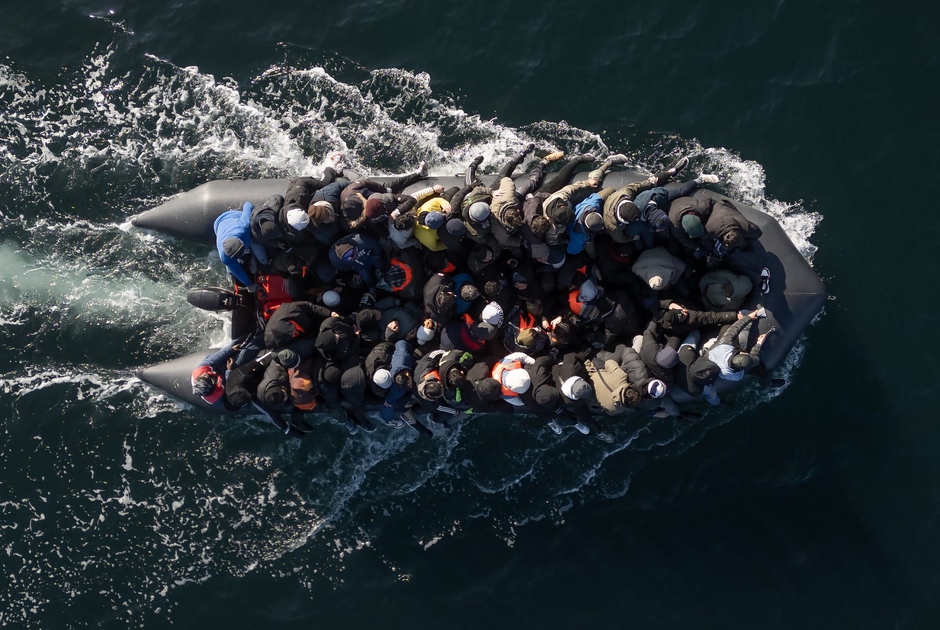
The Iom has released its latest report on migration routes. Since 2014, 82,000 people have died, and while numbers are declining in Europe, the toll is worsening elsewhere.
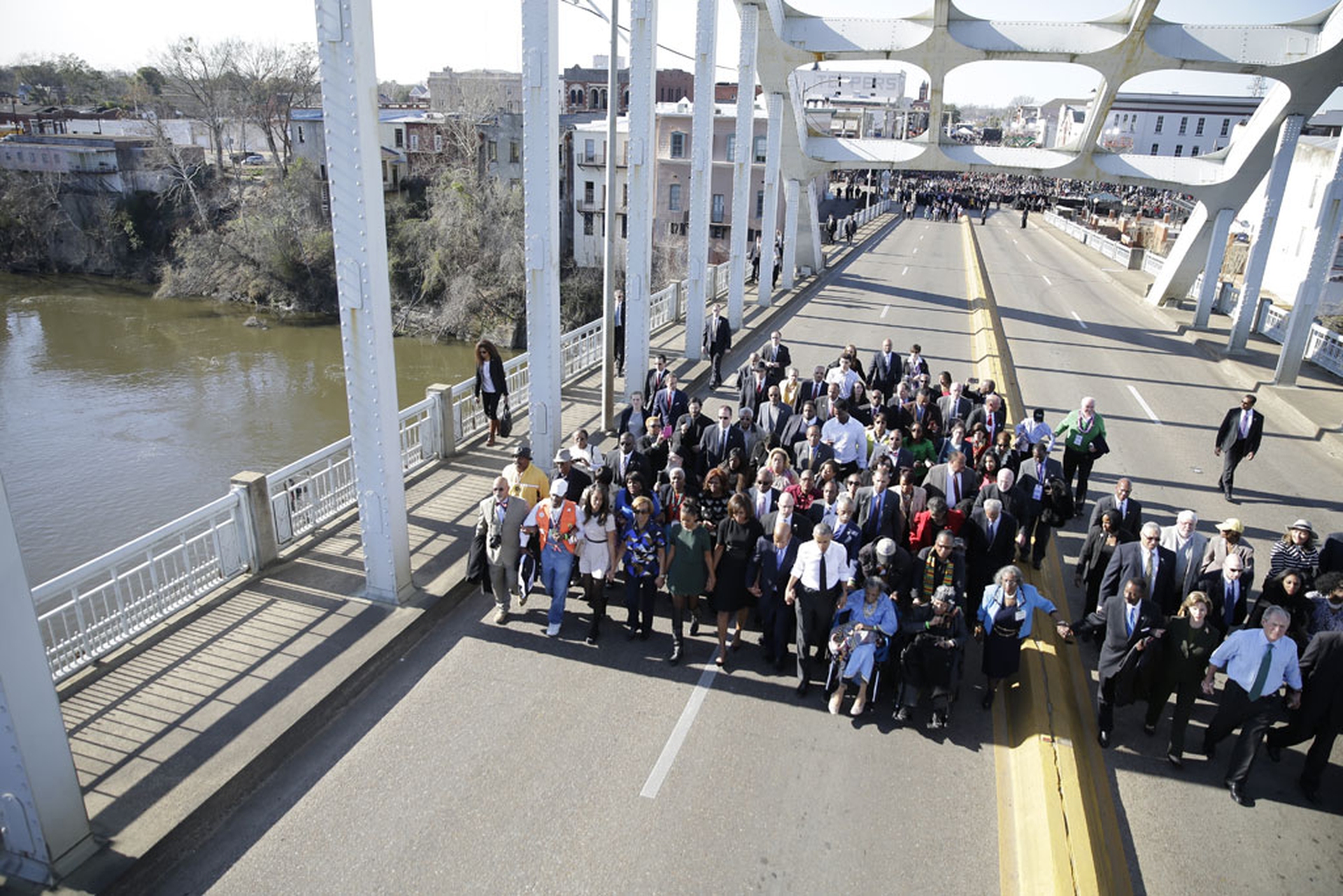
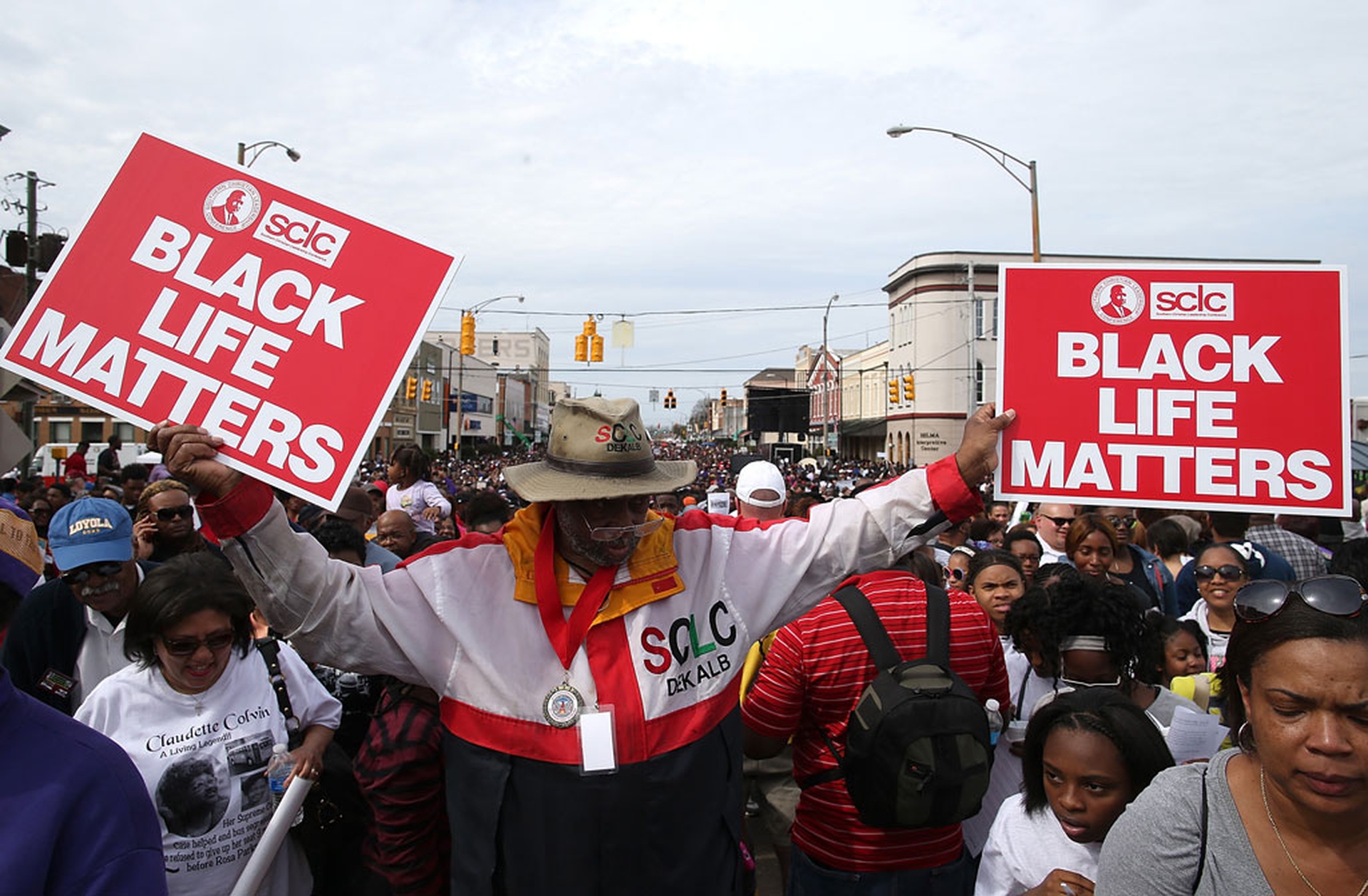
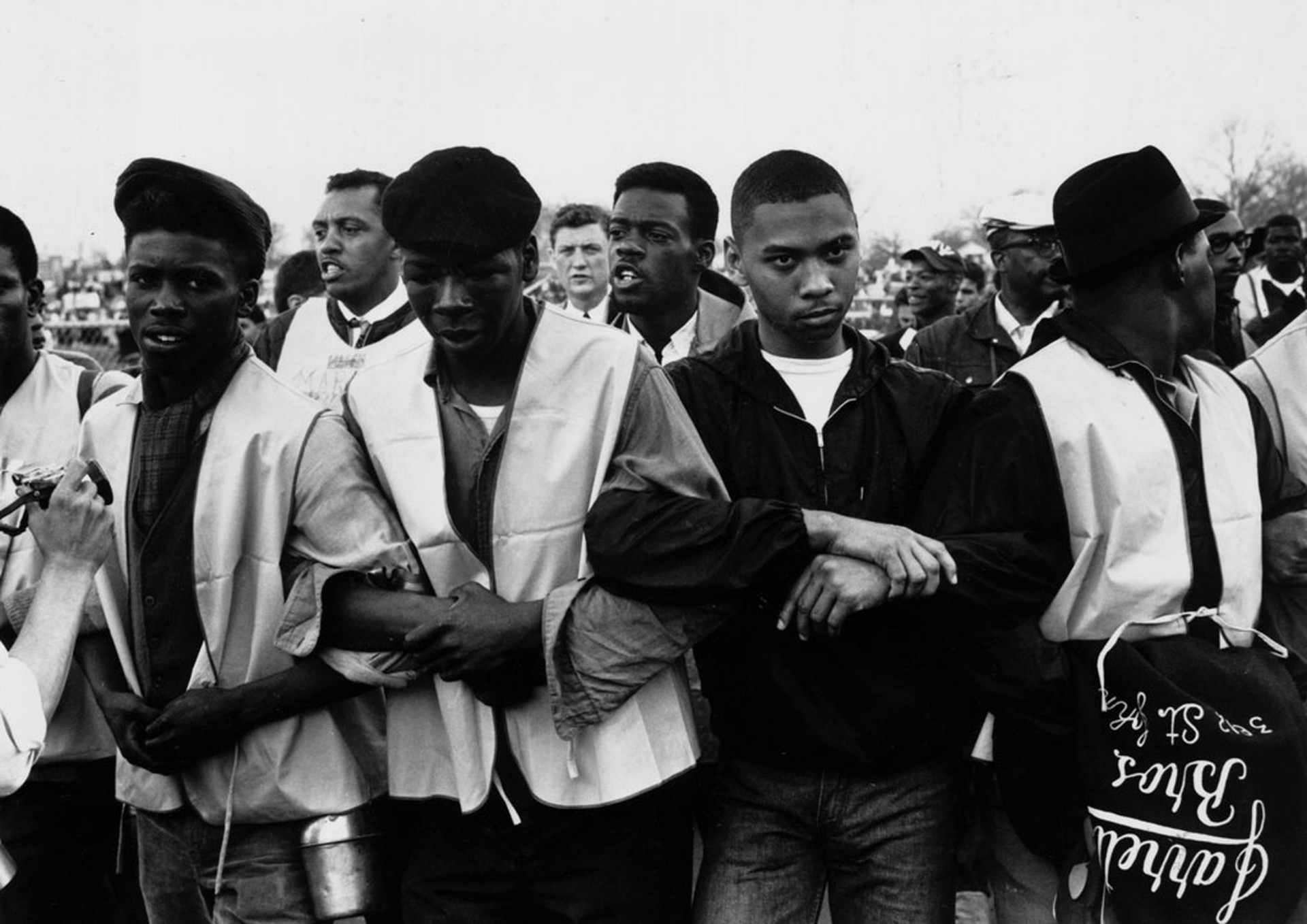
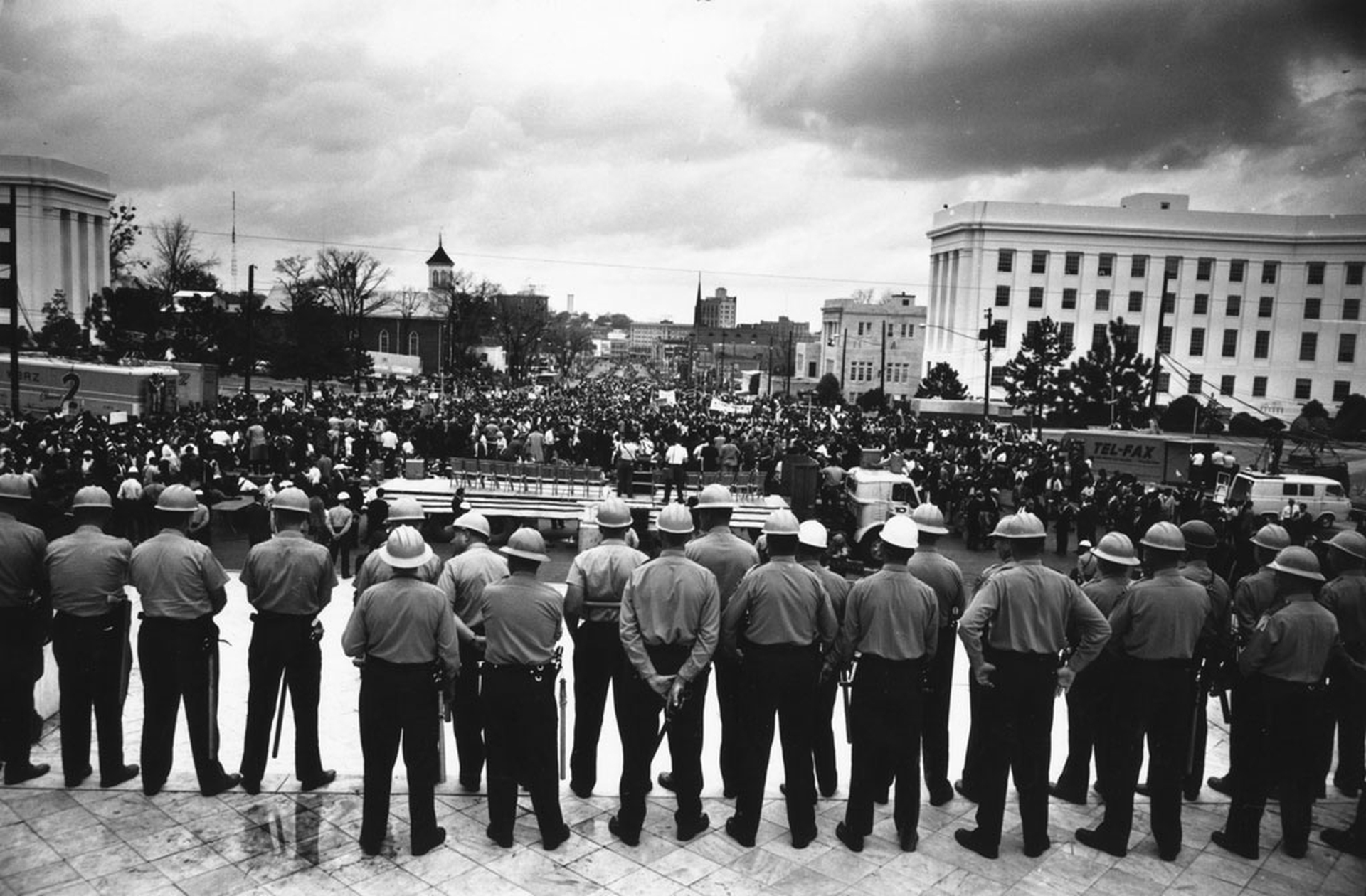
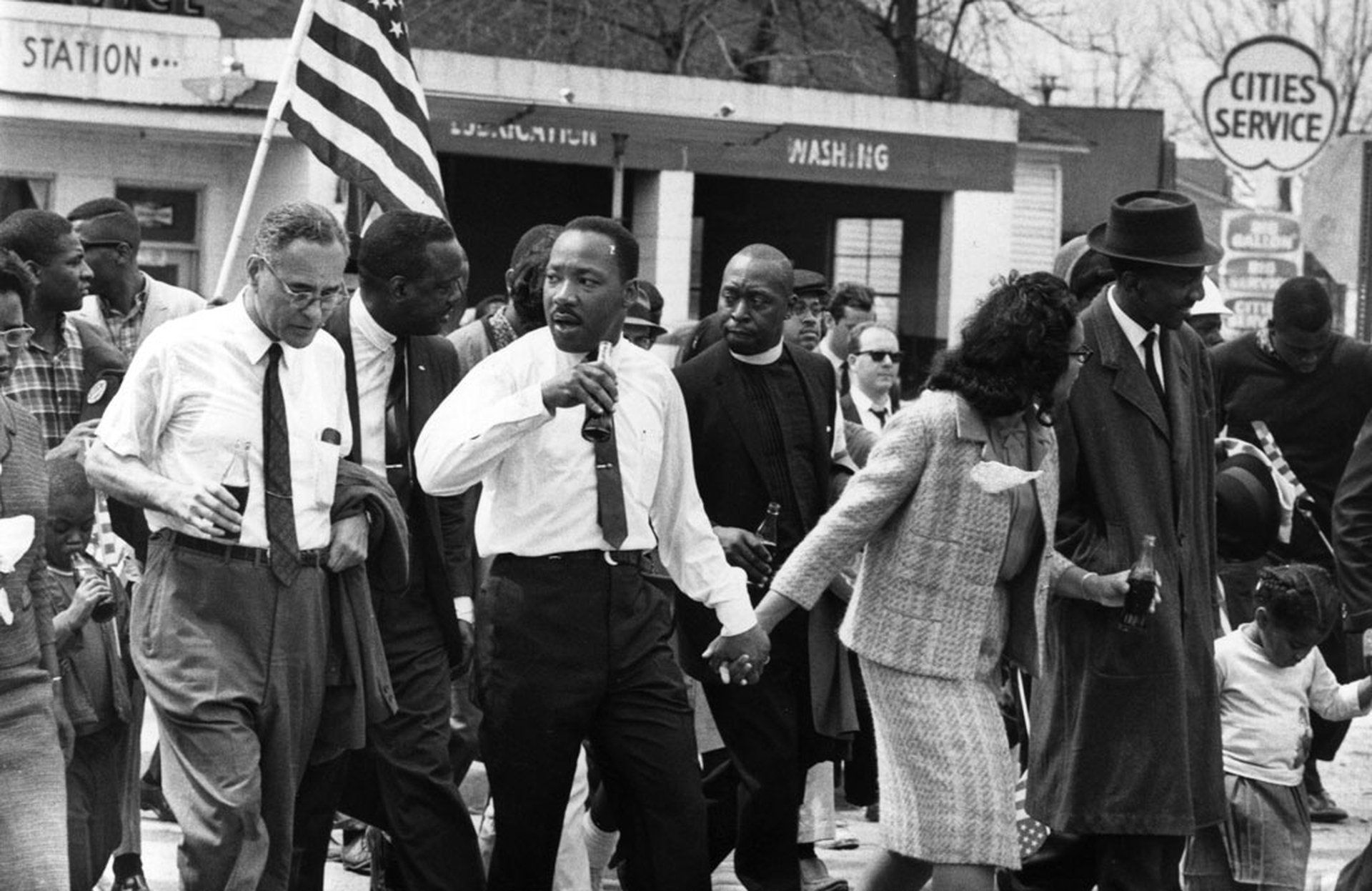
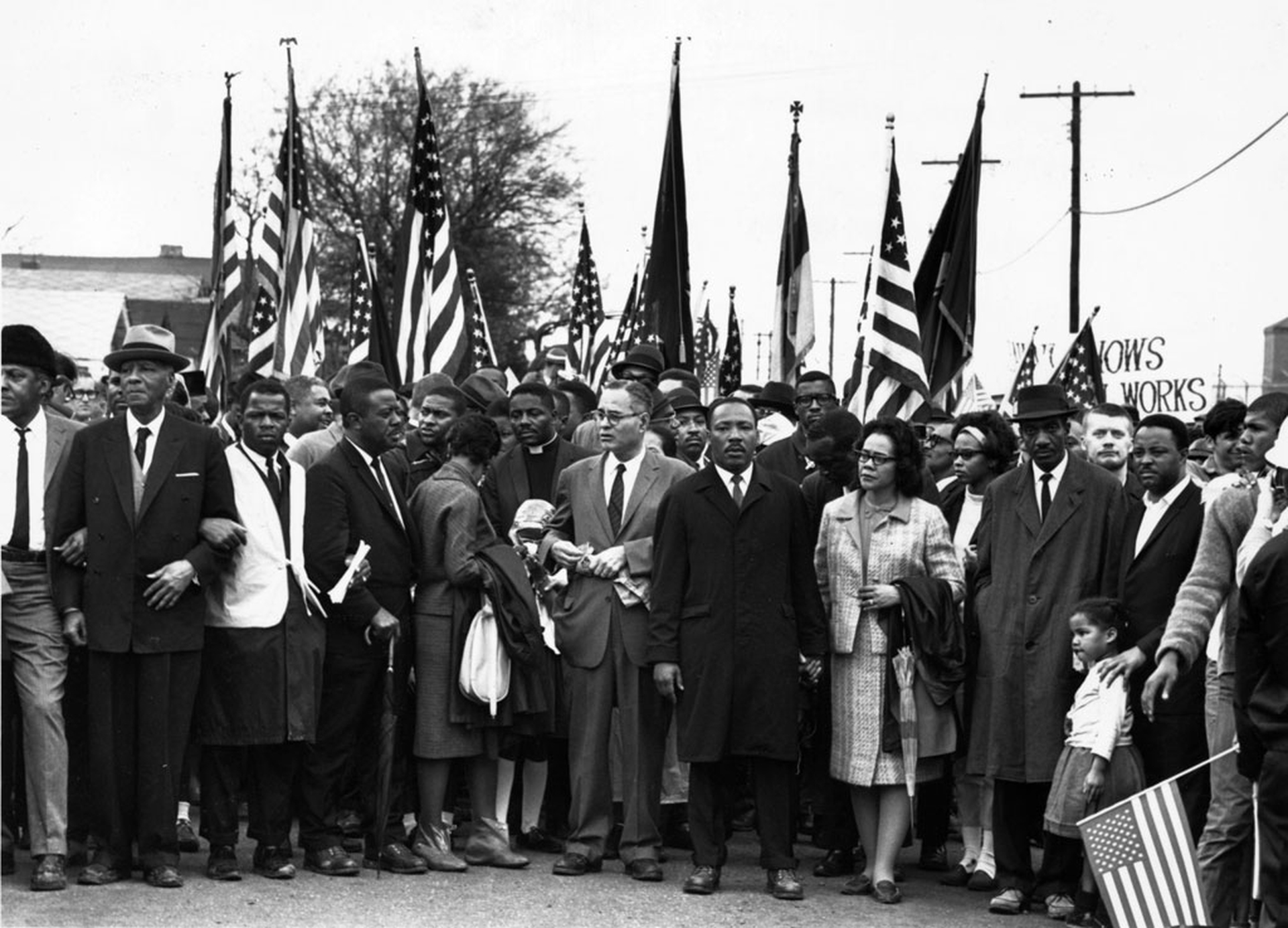
More than fifty years ago, the first march from Selma to Montgomery, Alabama, was organised on 7 March 1965, representing a landmark event in the civil rights movement in the United States. A group of 600 people set out from Selma for a non-violent march aimed at asking the right to vote to all African
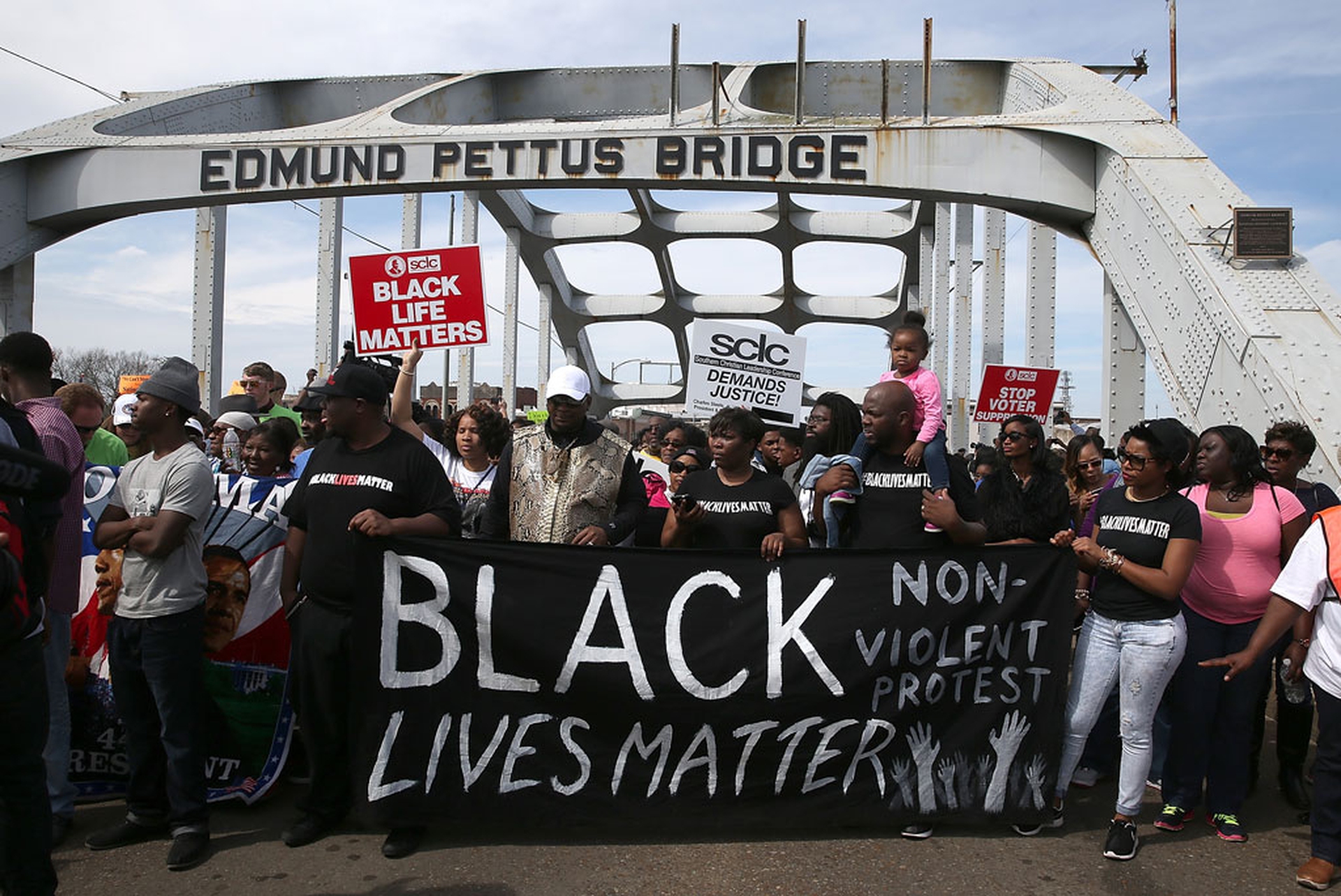
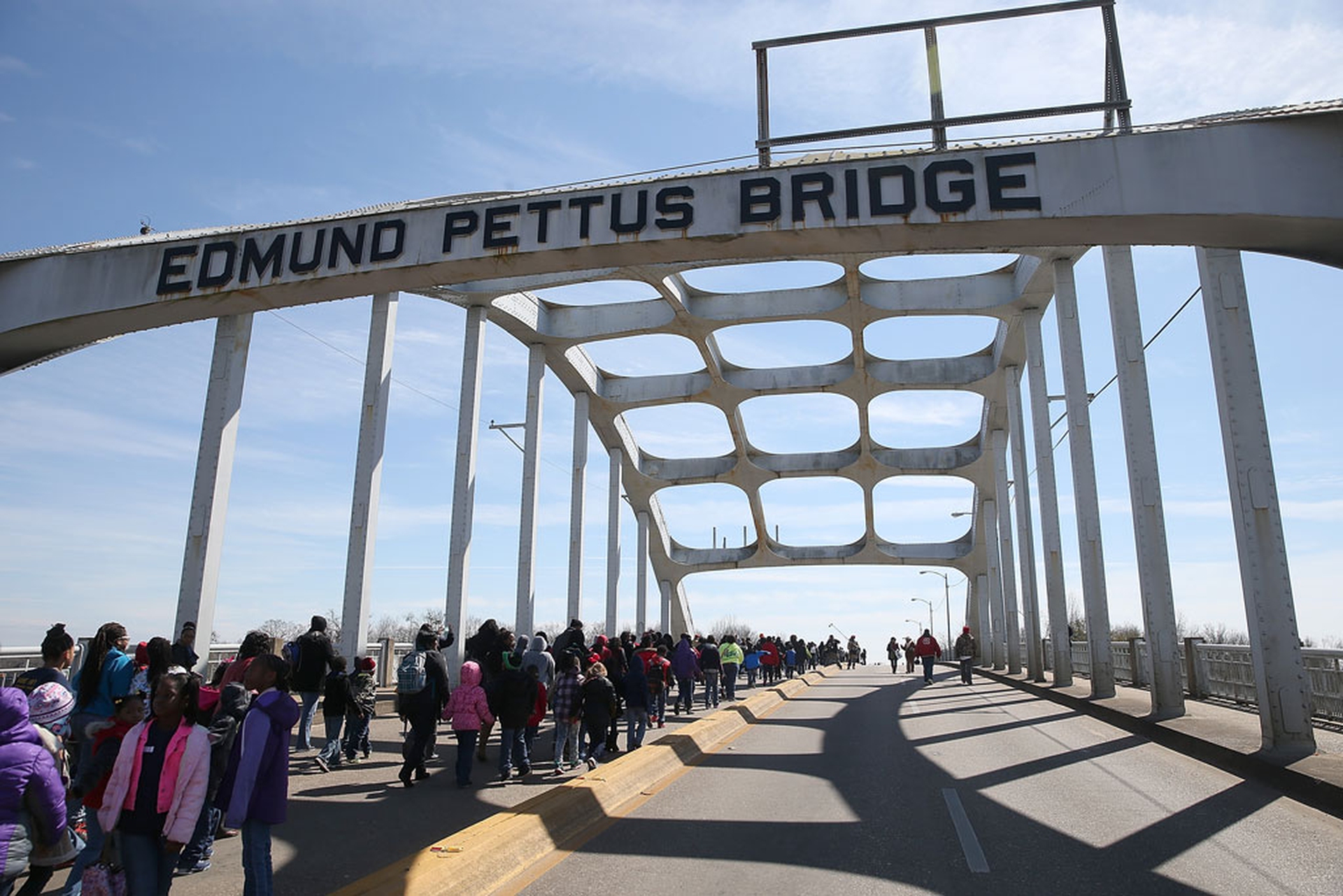
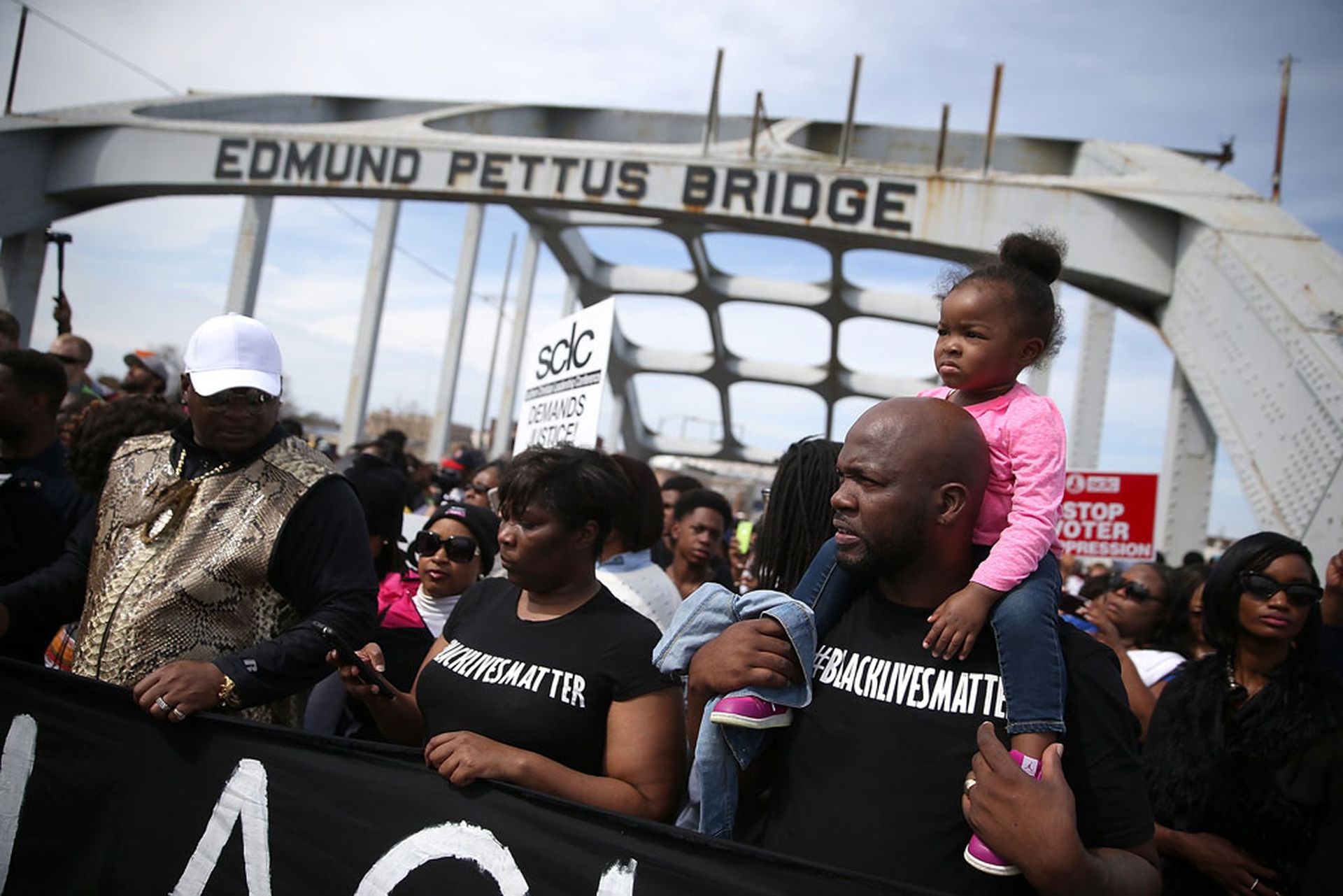
More than fifty years ago, the first march from Selma to Montgomery, Alabama, was organised on 7 March 1965, representing a landmark event in the civil rights movement in the United States. A group of 600 people set out from Selma for a non-violent march aimed at asking the right to vote to all African American and the end of racial segregation, which was still present in some states in the South. Those people were attacked by police forces while crossing the Edmund Pettus Bridge, making that day to be remembered as Bloody Sunday.
The brutal images portraying violent clashes and injured people became notorious and convinced the then-president Lyndon Johnson, who succeeded John Kennedy after his murder in 1963, to promulgate the Voting Rights Act on 6 August 1965.
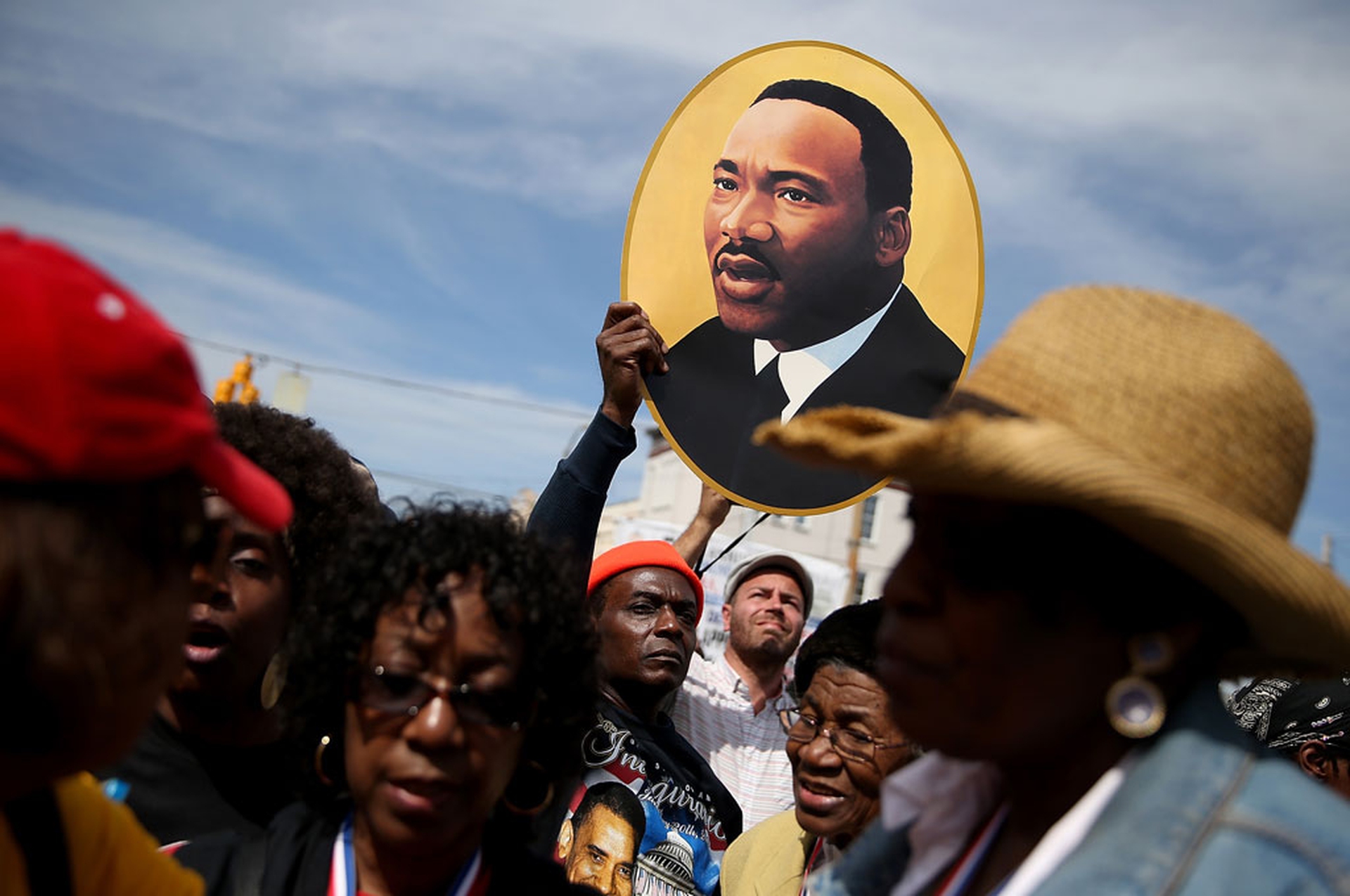
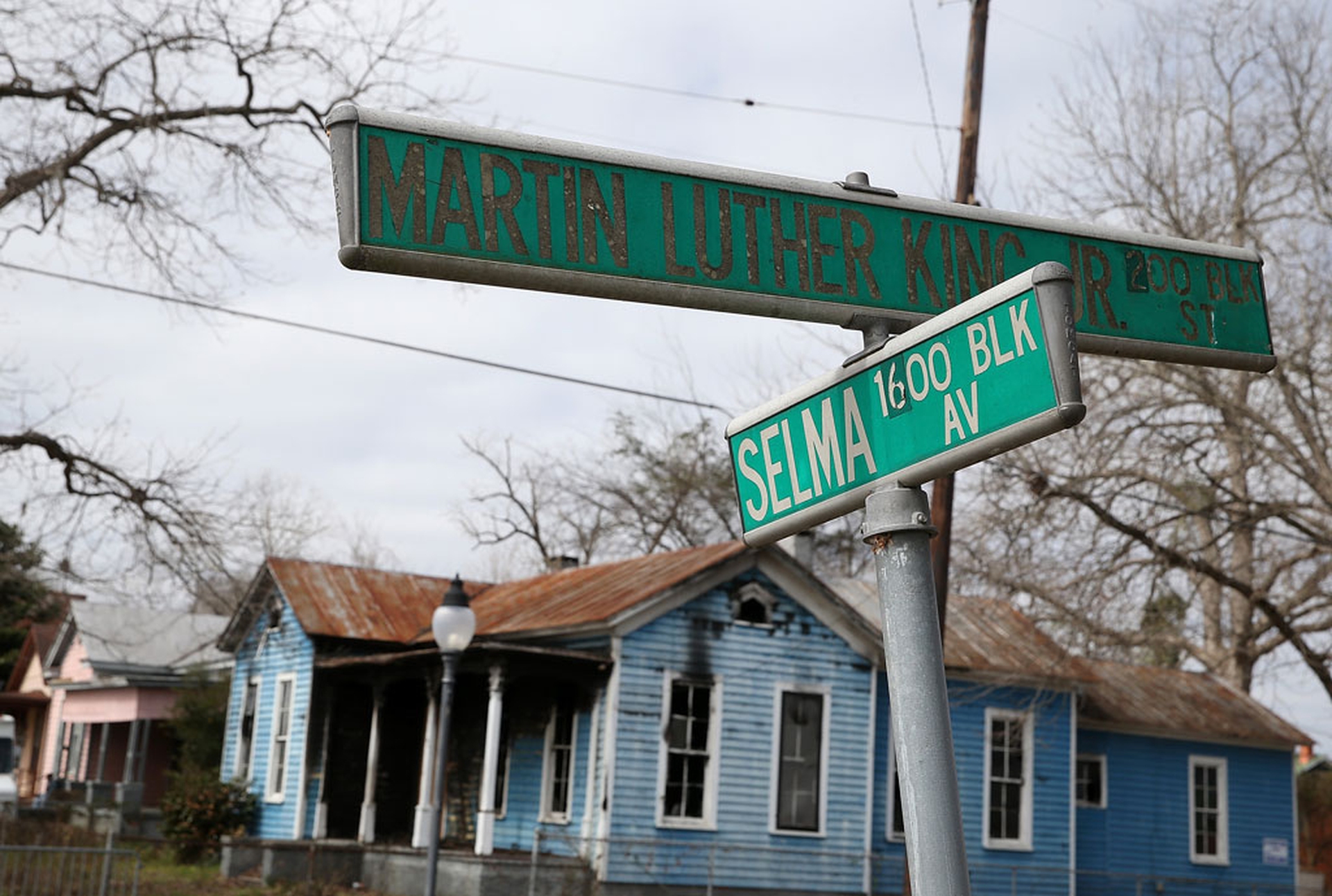
The march was organised by Martin Luther King Jr., American Baptist minister and leader in the African-American Civil Rights Movement. The clashes didn’t discourage King: he organised two other marches shortly after. The last one, on 25 March 1965, brought together about 25,000 people who marched from Selma to Montgomery, up to the state capitol. There, King delivered one of his most moving speeches: How long? Not long.
Read more: Martin Luther King Jr., biography of the man who changed the civil rights movement forever
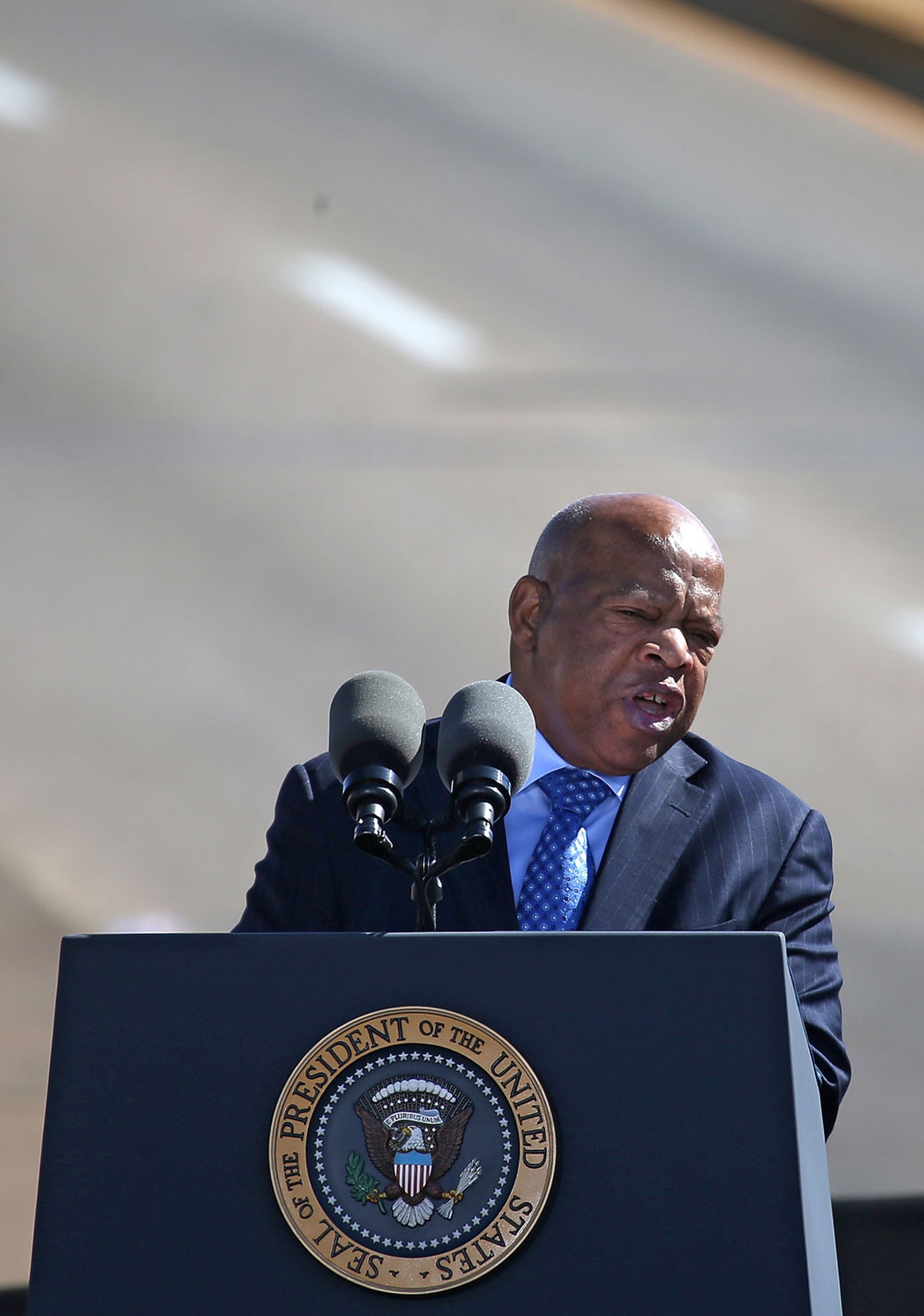
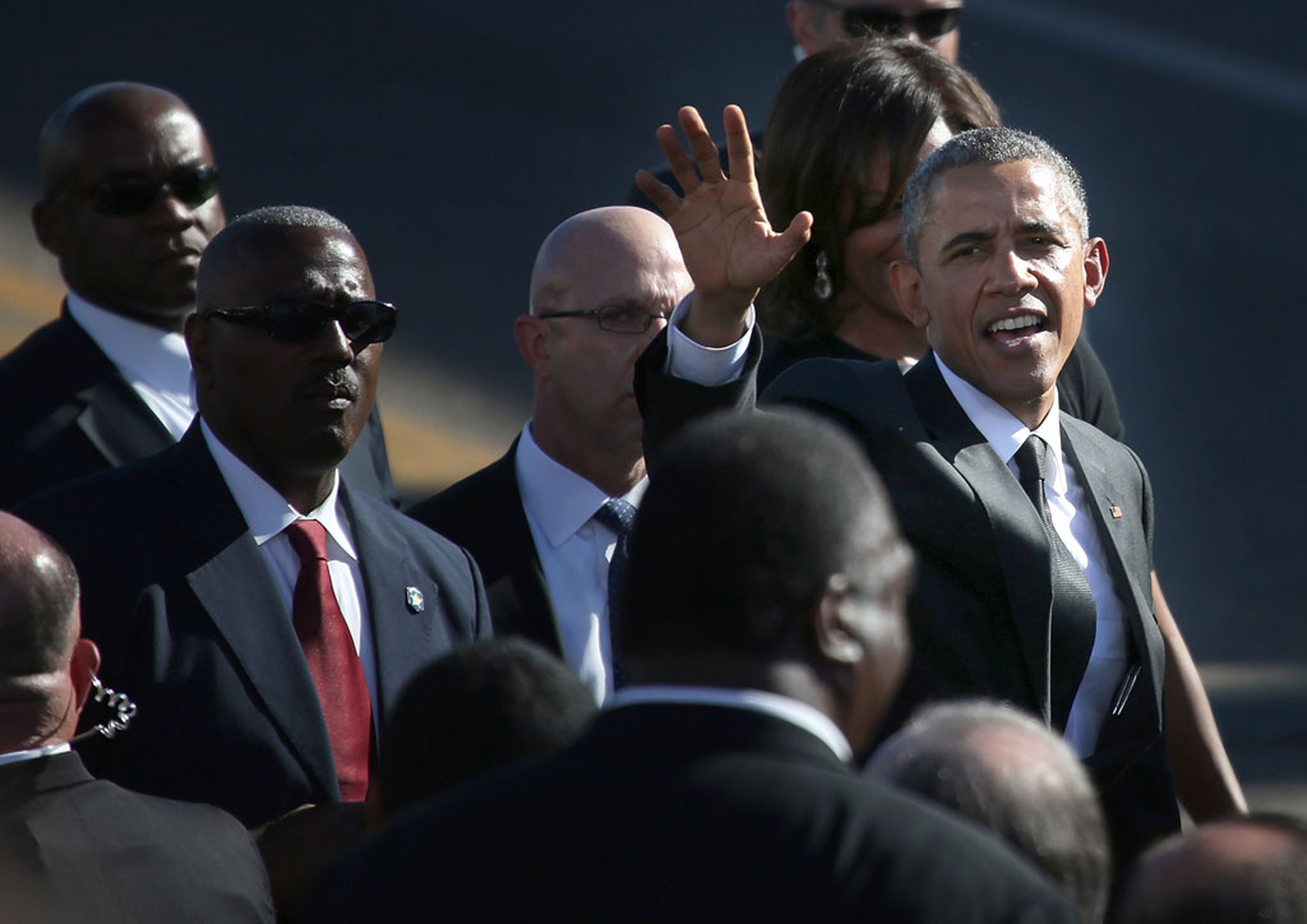
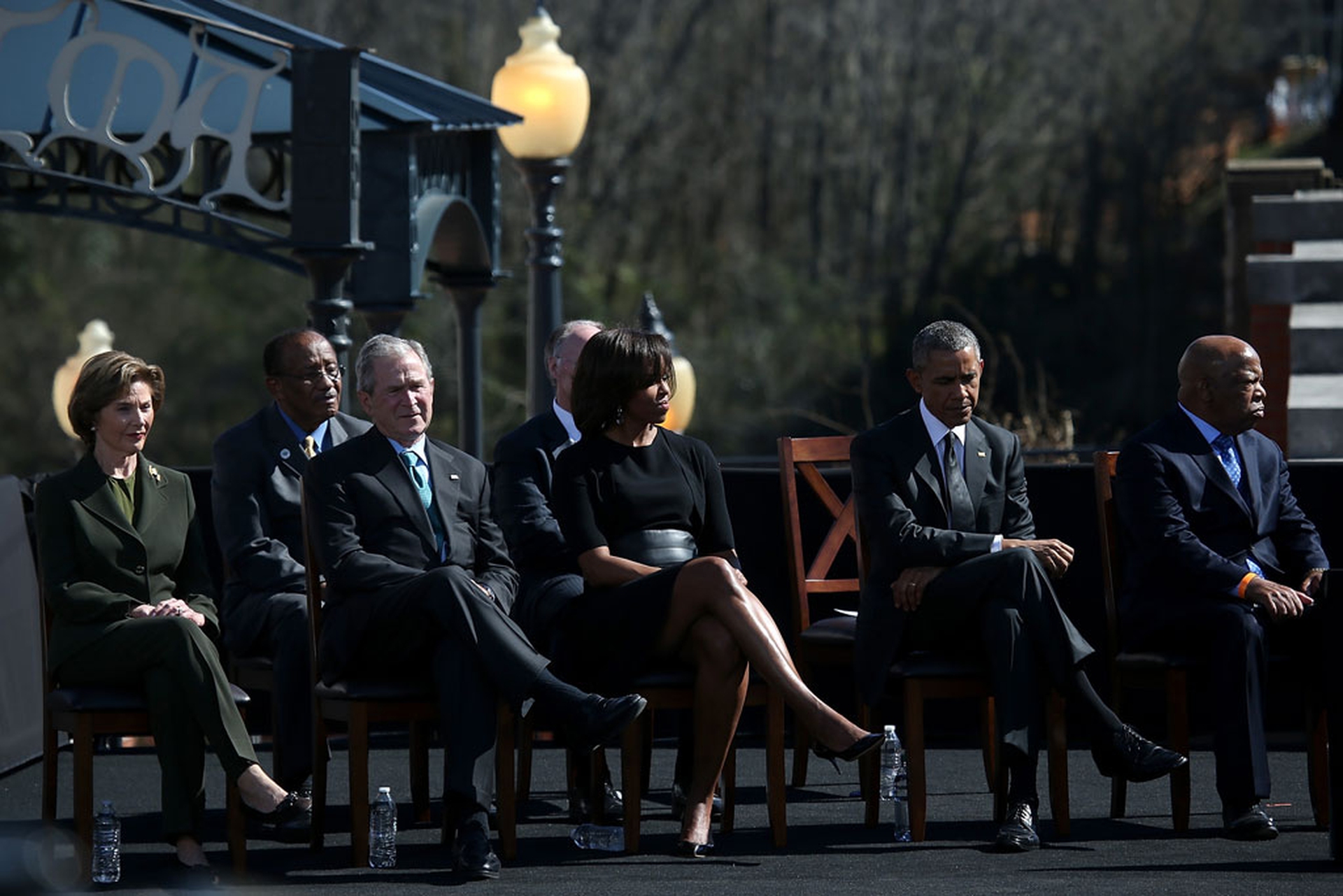
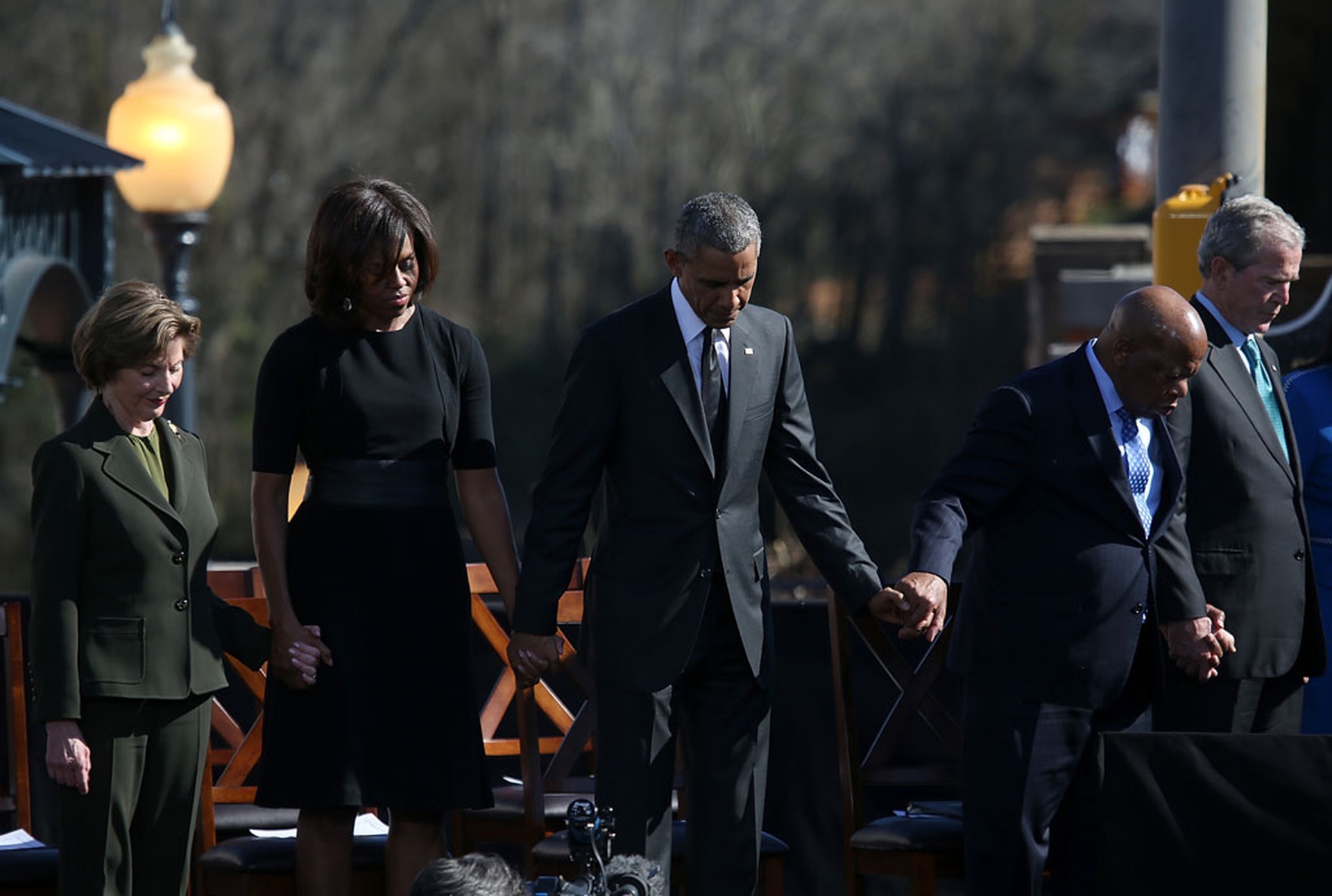
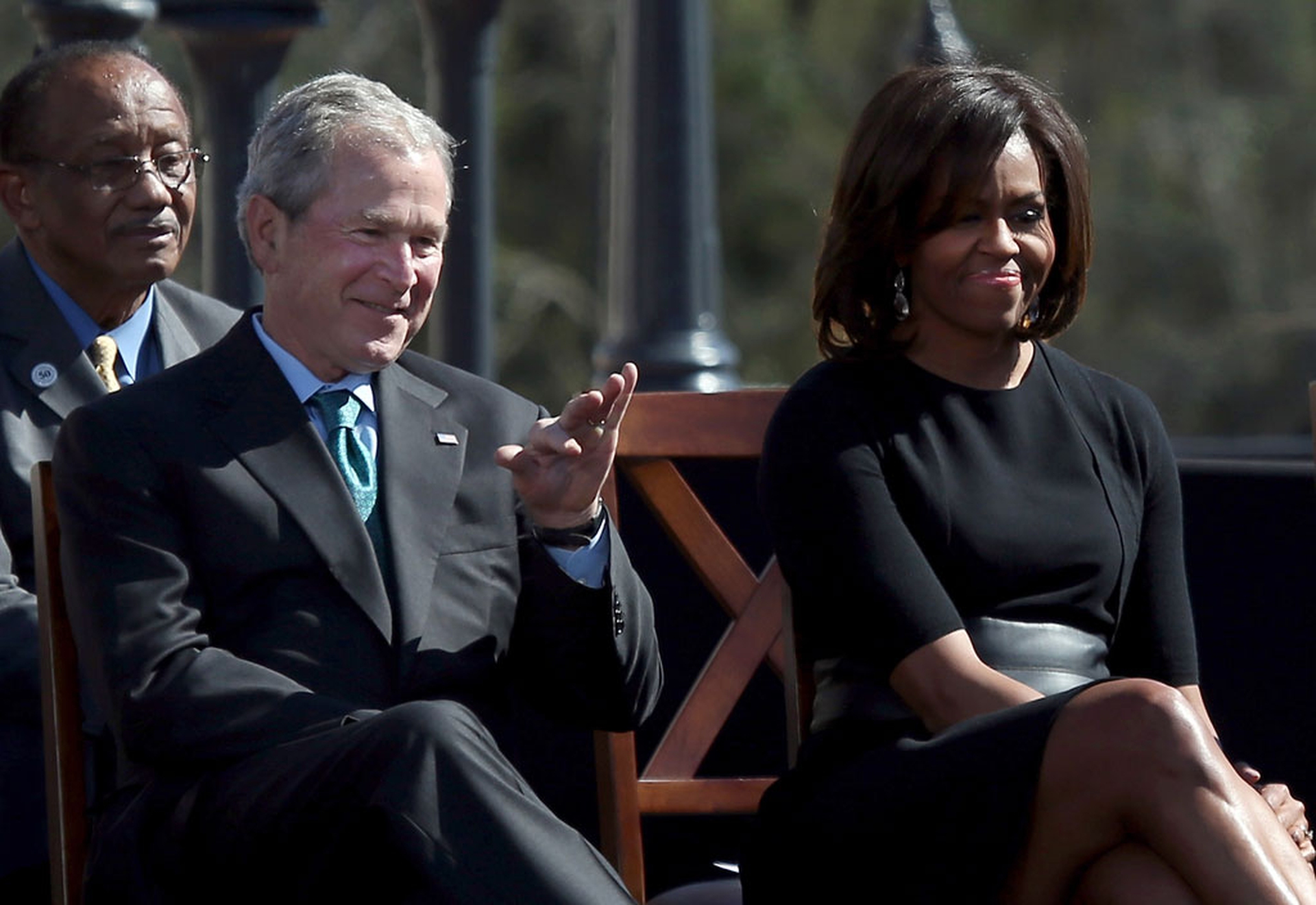
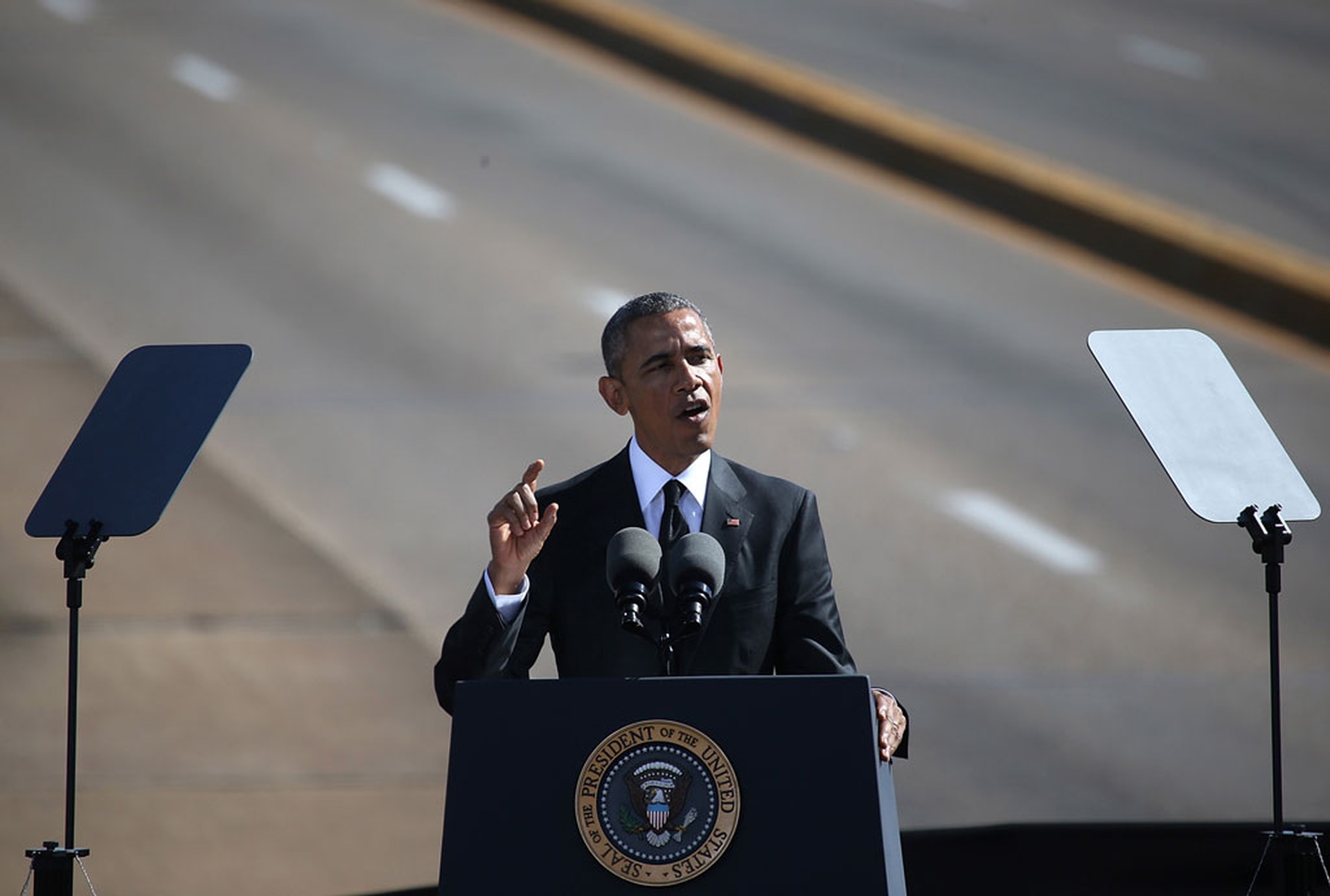
On 7 March 2015, US President Barack Obama delivered – on that bridge – a passionate speech that was described as “powerful” and “poignant” by those journalists who called Obama a great orator. Obama said that despite much advancement towards equality has been made over the past few years, black people are still subjected to discrimination in the United States.
A more common mistake is to suggest that racism is banished, that the work that drew men and women to Selma is complete, and that whatever racial tensions remain are a consequence of those seeking to play the “race card” for their own purposes. We just need to open our eyes, and ears, and hearts, to know that this nation’s racial history still casts its long shadow upon us. We know the march is not yet over, the race is not yet won, and that reaching that blessed destination where we are judged by the content of our character – requires admitting as much.
The marches inspired Ava DuVernay’s Selma, 2014 American historical drama film that was nominated for Best Picture and won Best Original Song (Glory by John Legend & Common) at the 87th Academy Awards.
Siamo anche su WhatsApp. Segui il canale ufficiale LifeGate per restare aggiornata, aggiornato sulle ultime notizie e sulle nostre attività.

Quest'opera è distribuita con Licenza Creative Commons Attribuzione - Non commerciale - Non opere derivate 4.0 Internazionale.
The Iom has released its latest report on migration routes. Since 2014, 82,000 people have died, and while numbers are declining in Europe, the toll is worsening elsewhere.
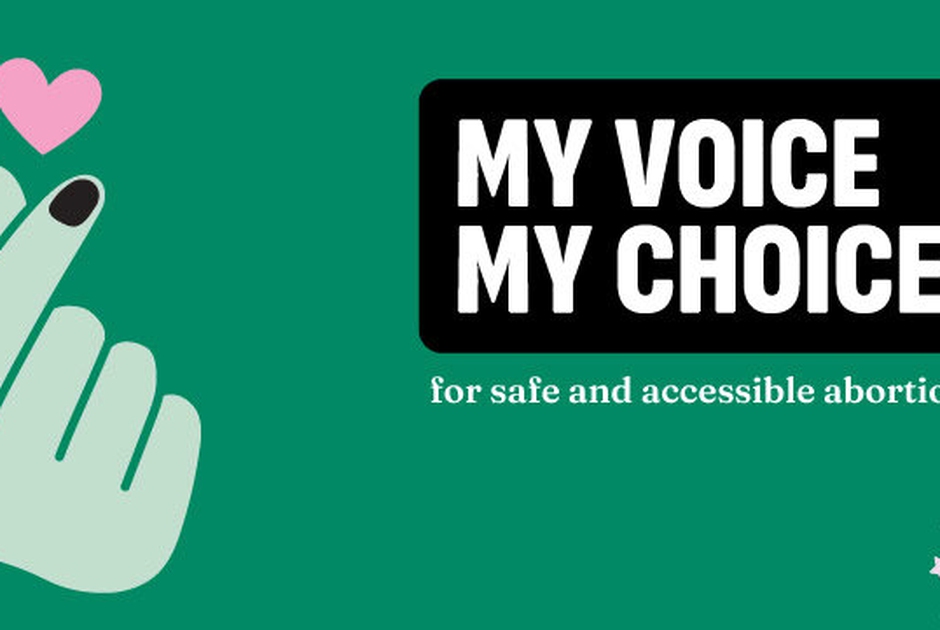
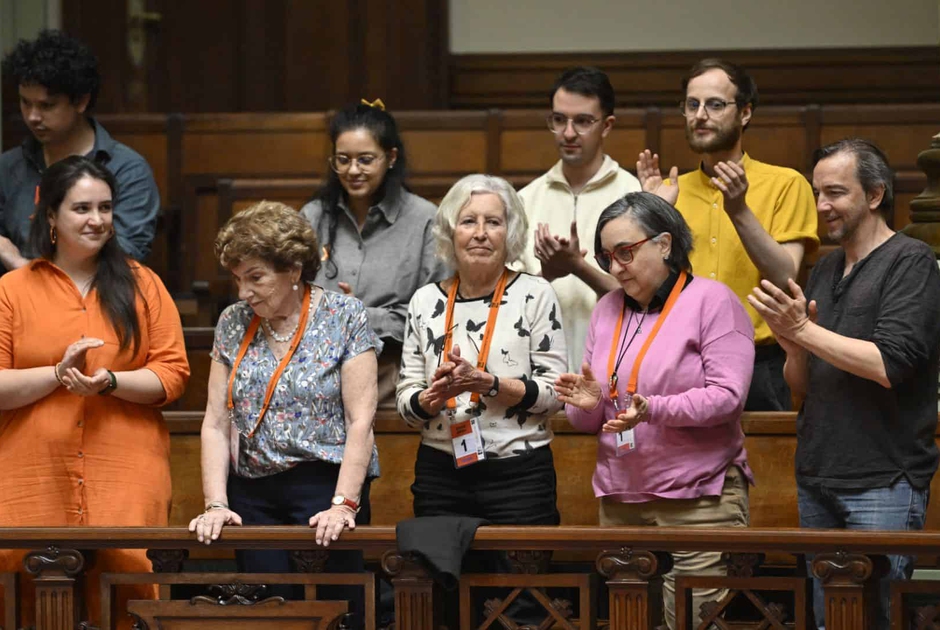
The European Parliament has voted in favour of the European Citizens’ Initiative My Voice, My Choice, calling for safe and accessible abortion across Europe. The next step now lies with the European Commission, which is expected to develop concrete measures.
Montevideo’s Senate has passed a new law allowing ‘death with dignity’ (but not assisted suicide), with the procedure permitted even just a few days after the request.
Costa Rica celebrated its first same-sex marriage when two women, Alexandra Quiros and Dunia Araya, celebrated their wedding: an “extraordinary moment”.
On top of a 2.4 million dollar compensation, the indigenous Ashaninka people will receive an official apology from the companies who deforested their lands in the 1980s.
From Italy to the United States, workers in the logistics and delivery sectors are protesting to demand better sanitary conditions to protect themselves from Covid-19.
The pandemic and its restrictions are affecting everyone, without exceptions. However factors like housing, income inequalities, gender, access to technology and working conditions are influencing how people experience the health crisis.
In the midst of India’s coronavirus lockdown, two dozen people lost their lives in a desperate bid to return home: migrant labourers forced to leave the cities where they worked once starvation began knocking at their doors.
Apple, Dell, Microsoft and Tesla are among the tech companies named in a lawsuit brought in the US by the families of children killed and maimed in cobalt mining activities in the Democratic Republic of Congo.