

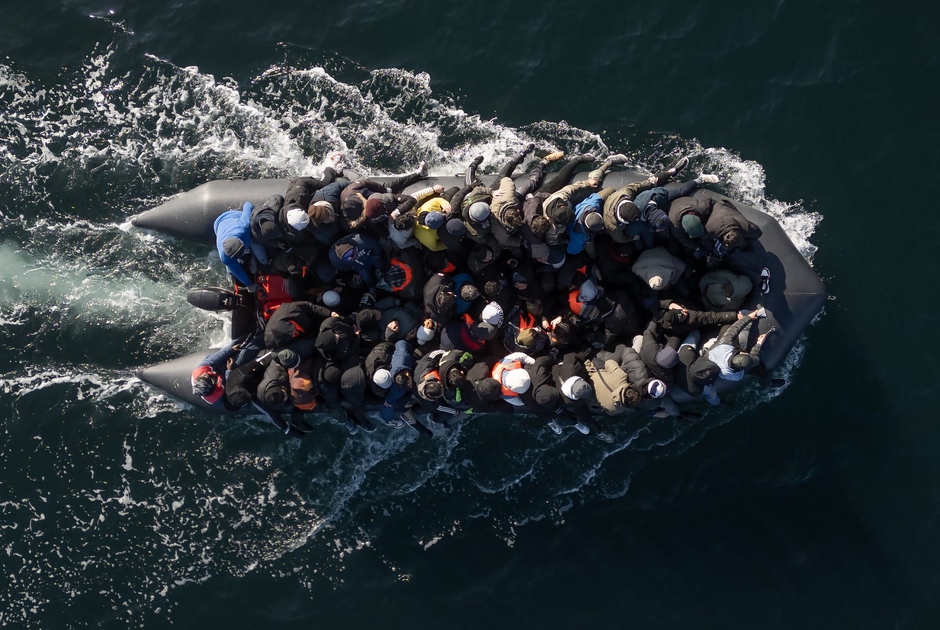
The Iom has released its latest report on migration routes. Since 2014, 82,000 people have died, and while numbers are declining in Europe, the toll is worsening elsewhere.
Una legge voluta dai cattolici vuole cancellare il diritto di aborto in Polonia, ma le donne sono scese in piazza a migliaia per protestare.
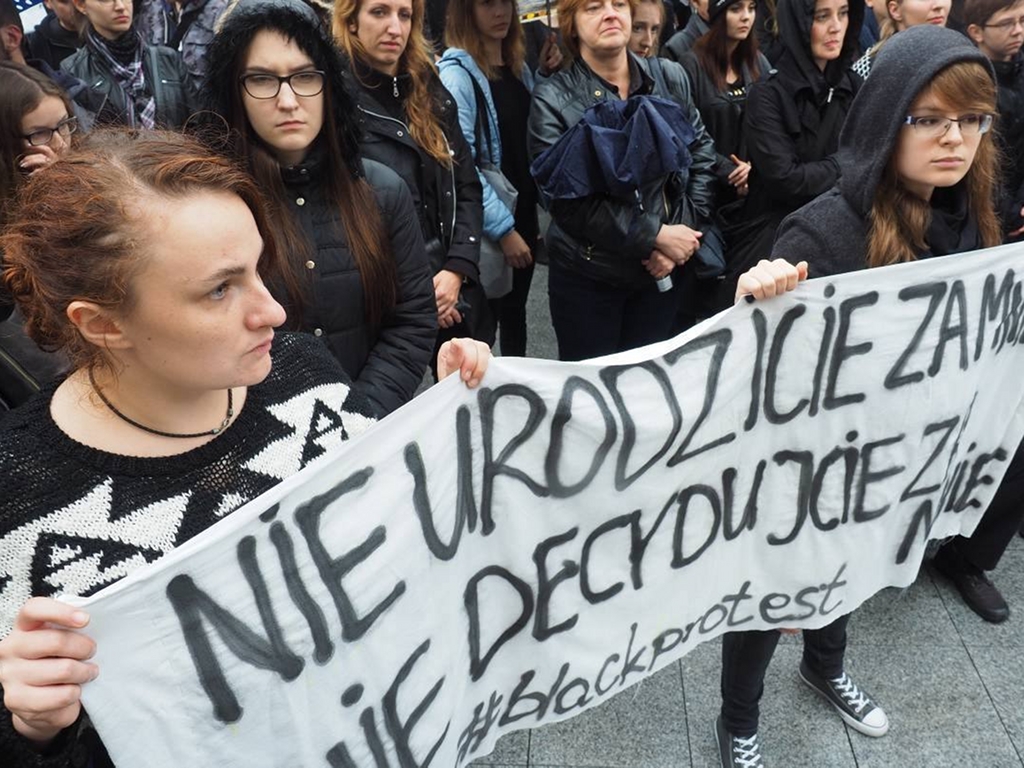
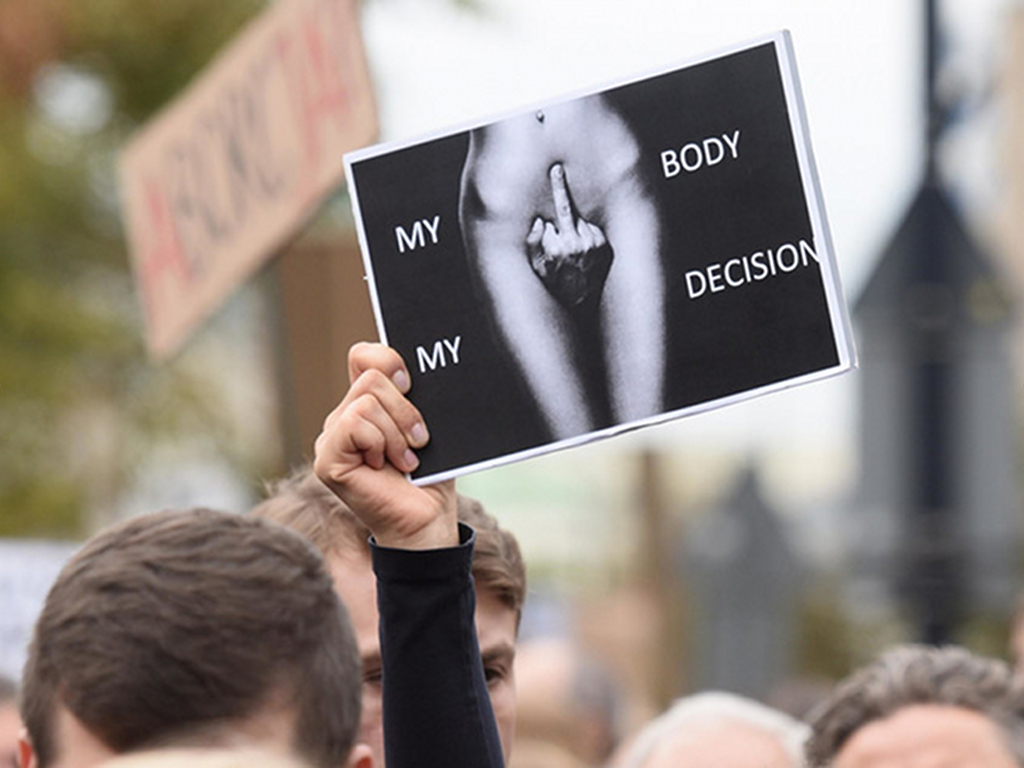
It has been called Czarny Protest, the black protest. It’s a movement, manly led by women dressed in black, aimed at protesting a proposed law that would ban abortion in Poland. The measure, under scrutiny of the Parliament, has already been approved by the Lower House, in a 267-to-460 vote. If enacted, it would permit abortion only to save a woman’s life and women found to have had abortions would be sentenced to up to five years in jail. Protesters also fear that women having miscarriages would be placed under investigation.
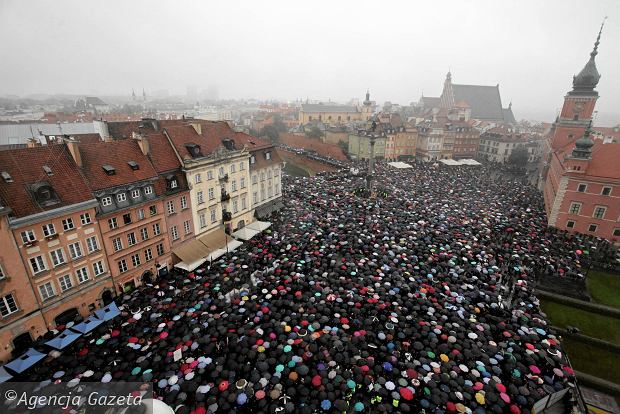
The protests against a proposed abortion ban started in April and spiked in a nationwide strike on the 3rd of October, with thousands of Polish women taking to the streets. According to independent polls, more than 50 per cent of Poland’s population is contrary to the proposal. Thousands of workers and some female members of the European Parliament took part in the demonstration and other rallies were organised across Europe and the United States.
What was apparent was the level of support for the protest. Thousands of people joined what has been defined as the Polish Black Monday also in rural areas, which are more conservative than Warsaw, Danzig and other big cities. Even the catholic city of Częstochowa registered a high participation, with 60 per cent of female council employees on strike.
to podbiło moje serce #CzarnyProtest pic.twitter.com/yXwkNEySAd
— ㅤ (@niallcigarro) 3 ottobre 2016
Poland has a restrictive abortion law that allows to have an abortion (up to the 25th week of pregnancy) only when the woman’s life is at risk, when the foetus is seriously malformed, or when the pregnancy is a result of a criminal act. According to the Czarny Protest, 10,000 to 200,000 Polish women are forced to have illegal abortions or to go abroad every year.
Siamo anche su WhatsApp. Segui il canale ufficiale LifeGate per restare aggiornata, aggiornato sulle ultime notizie e sulle nostre attività.

Quest'opera è distribuita con Licenza Creative Commons Attribuzione - Non commerciale - Non opere derivate 4.0 Internazionale.
The Iom has released its latest report on migration routes. Since 2014, 82,000 people have died, and while numbers are declining in Europe, the toll is worsening elsewhere.
The European Parliament has voted in favour of the European Citizens’ Initiative My Voice, My Choice, calling for safe and accessible abortion across Europe. The next step now lies with the European Commission, which is expected to develop concrete measures.
Montevideo’s Senate has passed a new law allowing ‘death with dignity’ (but not assisted suicide), with the procedure permitted even just a few days after the request.
Costa Rica celebrated its first same-sex marriage when two women, Alexandra Quiros and Dunia Araya, celebrated their wedding: an “extraordinary moment”.
On top of a 2.4 million dollar compensation, the indigenous Ashaninka people will receive an official apology from the companies who deforested their lands in the 1980s.
From Italy to the United States, workers in the logistics and delivery sectors are protesting to demand better sanitary conditions to protect themselves from Covid-19.
The pandemic and its restrictions are affecting everyone, without exceptions. However factors like housing, income inequalities, gender, access to technology and working conditions are influencing how people experience the health crisis.
In the midst of India’s coronavirus lockdown, two dozen people lost their lives in a desperate bid to return home: migrant labourers forced to leave the cities where they worked once starvation began knocking at their doors.
Apple, Dell, Microsoft and Tesla are among the tech companies named in a lawsuit brought in the US by the families of children killed and maimed in cobalt mining activities in the Democratic Republic of Congo.