


Pescasseroli, in the heart of Italy’s Apennines, will host the IBA conference on bear conservation and human–bear coexistence. LifeGate will be the event’s media partner.
Ecco quali sono i migliori scatti naturalistici dell’anno, divisi in quattro categorie, secondo il National Geographic.
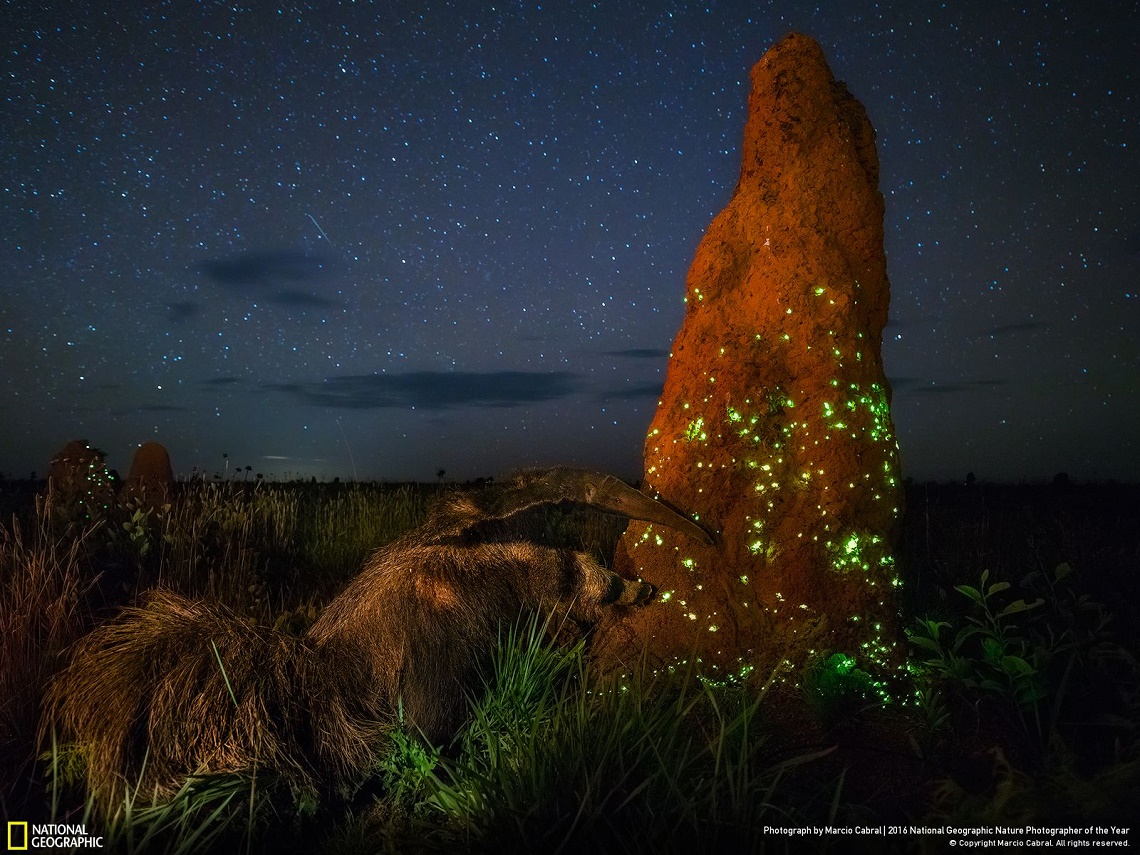
Blue-footed boobies and dolphins hunting together among sardines, an explosive thunderstorm above the Pacific Ocean, a lone polar bear looking for sea ice. The beauty of nature has been depicted in its multifaceted magnificence in the winning photos of the National Geographic Nature Photographer of the Year 2016.
The judges were National Geographic magazine’s photo editor Kathy Moran and National Geographic photographers Joe Riis and Jim Brandenburg. They judged thousands of pictures from all over the world, divided into four categories: Action, Animal Portraits, Environmental Issues, and Landscape.
Each category features three photographs awarded and a few honourable mentions (First place: $2,500, Second Place: $750, Third Place: $500).
Greg Lecoeur took the grand prize and first place in the Action category with this shot named Sardine Run. The photograph was taken off the coasts of South Africa and features two blue-footed boobies and two dolphins feasting during the annual migration of sardines, which lures a number of predators.
Jacob Kapetein placed first in the Landscape category for his photo named Struggle of Life, which features a beech tree in a river.
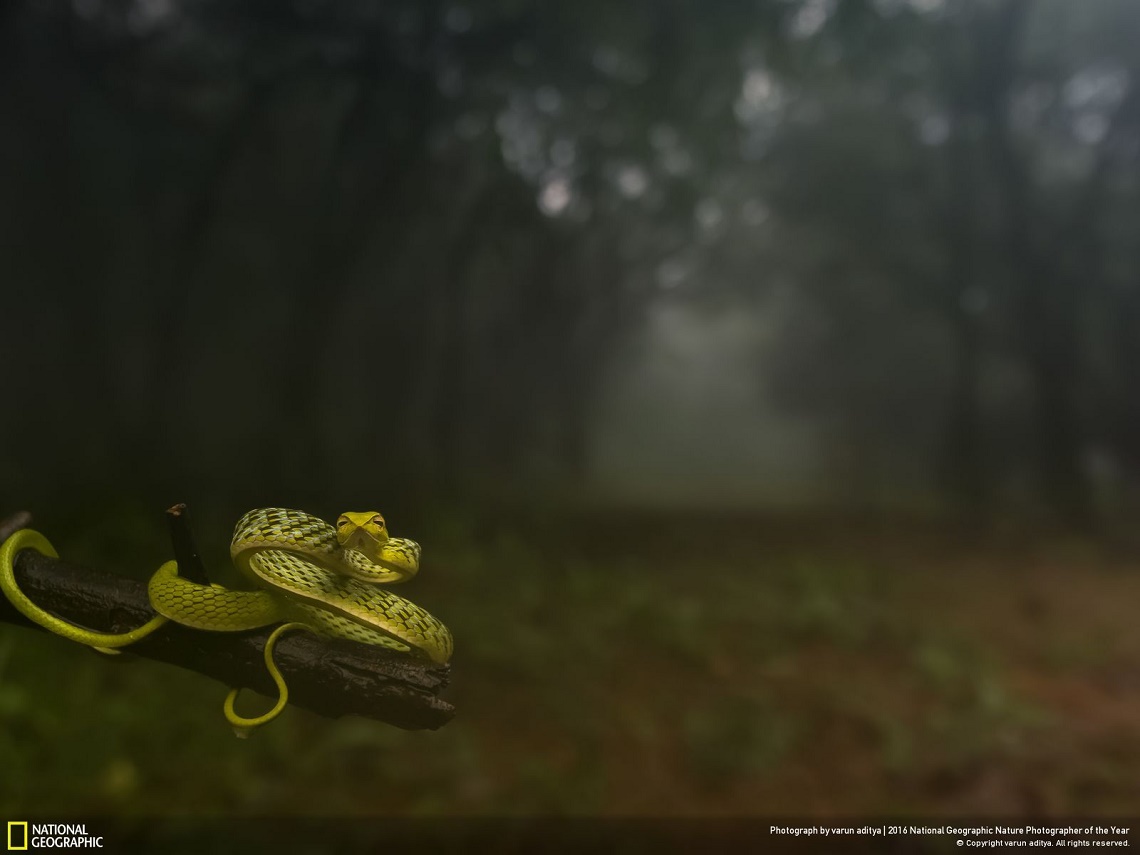
Varun Aditya placed first in the Animal Portraits category for a photo of a green vine snake (Oxybelis fulgidus) captured in India.
Vadim Balakin placed first in the Environmental Issues category for his photo named Life and Death. The shot features a polar bear remains in Svalbard, Norway. The bear has probably starved to death due to the lack of sea ice. This phenomenon is linked to climate change and forces bears to travel longer distances for food.
Siamo anche su WhatsApp. Segui il canale ufficiale LifeGate per restare aggiornata, aggiornato sulle ultime notizie e sulle nostre attività.

Quest'opera è distribuita con Licenza Creative Commons Attribuzione - Non commerciale - Non opere derivate 4.0 Internazionale.
Pescasseroli, in the heart of Italy’s Apennines, will host the IBA conference on bear conservation and human–bear coexistence. LifeGate will be the event’s media partner.
Ecuador’s shrimp exports continue to grow, but the country’s mangrove ecosystems are paying the highest price.
Its oceanic microclimate, fertile soils, and the alternation of rain and sunshine make Normandy the ideal place for flax cultivation. A journey through the region offers a close-up look at the European flax supply chain, from cultivation to fibre processing.
Our species took its first steps in a world covered in trees. Today, forests offer us sustenance, shelter, and clean the air that we breathe.
Poachers in Africa are encroaching on wildlife land and killing rhinos in travel hot spots now devoid of visitors due to the coronavirus pandemic.
Actor and environmental activist Leonardo DiCaprio has contributed two million dollars to a fund to protect Virunga National Park in Congo from threats such as terrorism, the coronavirus and poaching.
For the first time in seventeen years, Iceland’s two main whaling companies won’t resume whale hunting. The announcement concerns this year’s season but could carry into the future.
The relationship between the coronavirus and wildlife is complex: while the pandemic may lead to a reduction in the illegal trade in wild animals, it may also encourage it in other respects.
The largest coral reef in the world is severely threatened by climate change, but researchers are developing strategies that could contribute to saving the Great Barrier Reef.