


Pescasseroli, in the heart of Italy’s Apennines, will host the IBA conference on bear conservation and human–bear coexistence. LifeGate will be the event’s media partner.
Gustavito, ippopotamo di 15 anni, era il simbolo dello zoo di San Salvador, settimana scorsa ignoti si sono introdotti nella sua vasca uccidendo l’animale con mazze e coltelli.
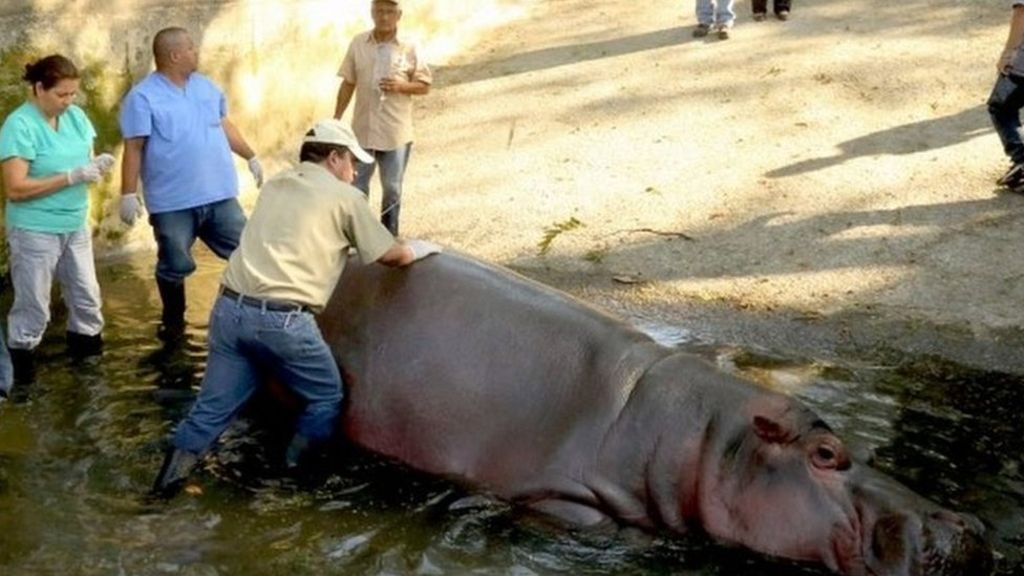
After two days of agony, Gustavito passed away. His sufferance has come to an end and he will no longer have to endure enclosure and violence in a zoo. Gustavito was a 15-year-old hippopotamus (Hippopotamus amphibius) that lived in San Salvador zoo, San Salvador, since he was 2.
Gustavito was victim of an attack on Tuesday night and died of the severe injuries. Some strangers allegedly broke into the fenced pool where the hippo lived and beat him with metal bars, knives and rocks.
The attack, as brutal as vile, wasn’t discovered before Thursday, as Gustavito didn’t leave his pool and didn’t allow zookeepers to see the injuries on his body. “He had bruises and puncture wounds and a 15-centrimetre cut,” said zoo director Vladan Henriquez who also announced a temporary closure of the zoo. “We don’t understand why those people cowardly killed him”.
Whoever did this has to pay. My heart goes out to you and your keepers; may you rest in peace. #Gustavito #ElSalvador pic.twitter.com/h4SiVwasCk
— Gigi Perla (@gigiips22) February 27, 2017
The news of Gustavito’s death has soon outraged the Central American nation. Gustavito was the only hippopotamus in the country and was much-loved by all visitors and zoo keepers, El Salvador is sadly used to violence, being one of the countries with the highest number of killings. Yet, the senseless murder of an animal got many people disheartened. The hashtag #TodosSomosGustavito went viral on social networks and many locals left flowers at the zoo. Minister of Justice Mauricio Ramirez Landaverde said an investigation has been opened into the attack.
Siamo anche su WhatsApp. Segui il canale ufficiale LifeGate per restare aggiornata, aggiornato sulle ultime notizie e sulle nostre attività.

Quest'opera è distribuita con Licenza Creative Commons Attribuzione - Non commerciale - Non opere derivate 4.0 Internazionale.
Pescasseroli, in the heart of Italy’s Apennines, will host the IBA conference on bear conservation and human–bear coexistence. LifeGate will be the event’s media partner.
Ecuador’s shrimp exports continue to grow, but the country’s mangrove ecosystems are paying the highest price.
Its oceanic microclimate, fertile soils, and the alternation of rain and sunshine make Normandy the ideal place for flax cultivation. A journey through the region offers a close-up look at the European flax supply chain, from cultivation to fibre processing.
Our species took its first steps in a world covered in trees. Today, forests offer us sustenance, shelter, and clean the air that we breathe.
Poachers in Africa are encroaching on wildlife land and killing rhinos in travel hot spots now devoid of visitors due to the coronavirus pandemic.
Actor and environmental activist Leonardo DiCaprio has contributed two million dollars to a fund to protect Virunga National Park in Congo from threats such as terrorism, the coronavirus and poaching.
For the first time in seventeen years, Iceland’s two main whaling companies won’t resume whale hunting. The announcement concerns this year’s season but could carry into the future.
The relationship between the coronavirus and wildlife is complex: while the pandemic may lead to a reduction in the illegal trade in wild animals, it may also encourage it in other respects.
The largest coral reef in the world is severely threatened by climate change, but researchers are developing strategies that could contribute to saving the Great Barrier Reef.