

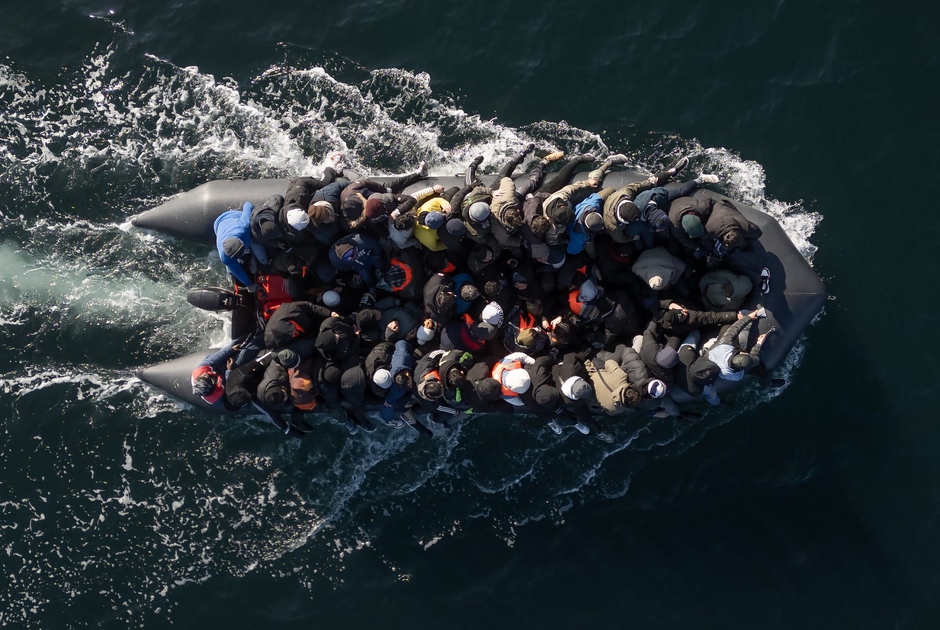
The Iom has released its latest report on migration routes. Since 2014, 82,000 people have died, and while numbers are declining in Europe, the toll is worsening elsewhere.
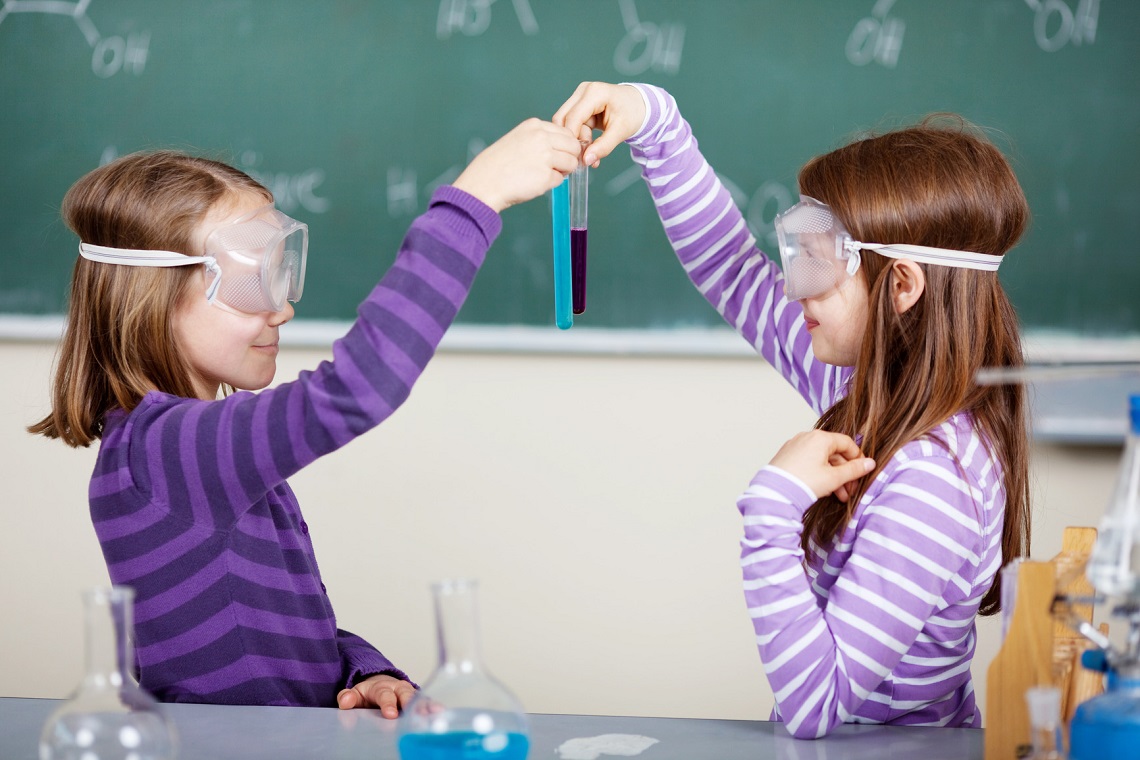
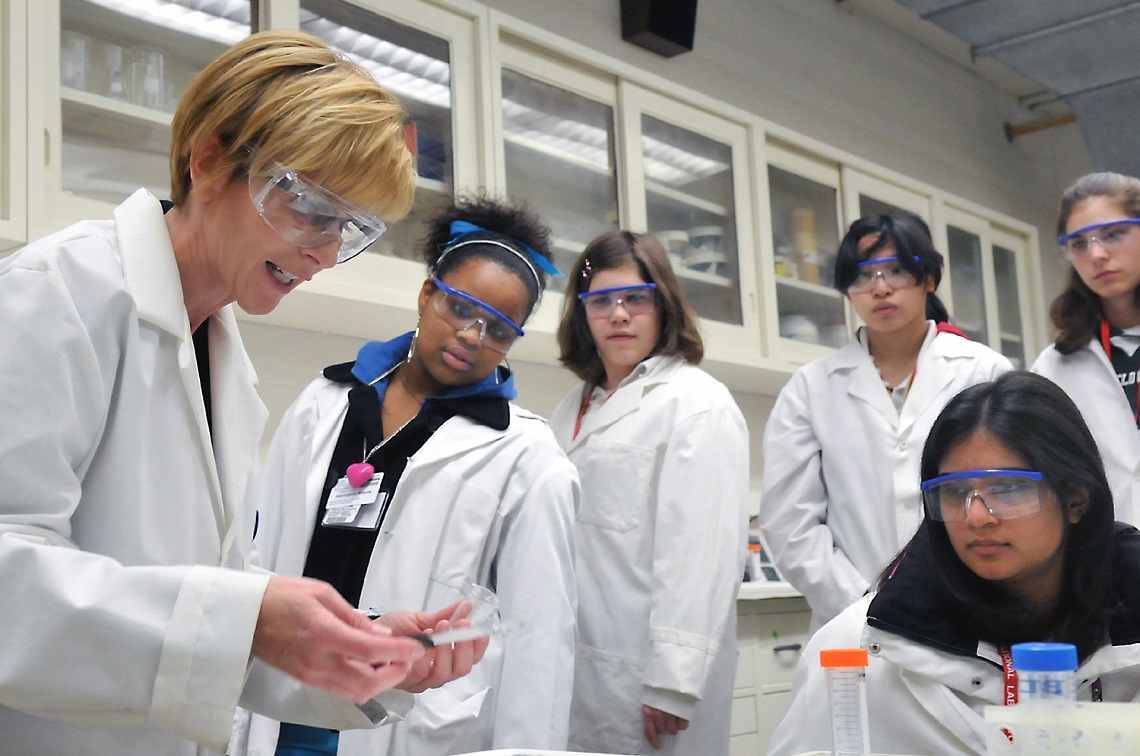
La giornata mira a promuovere l’uguaglianza di genere e a far sì che donne e ragazze ottengano parità di accesso e partecipazione nella scienza.
It could seem quite impossible, but the scientific vocation of women and girls keeps being opposed in the name of preconceptions on the female scarce predisposition to subjects like physics, maths and chemistry. To better understand the lack of consideration women face in the scientific world, consider that 97% of Nobel Prizes have been awarded to men.
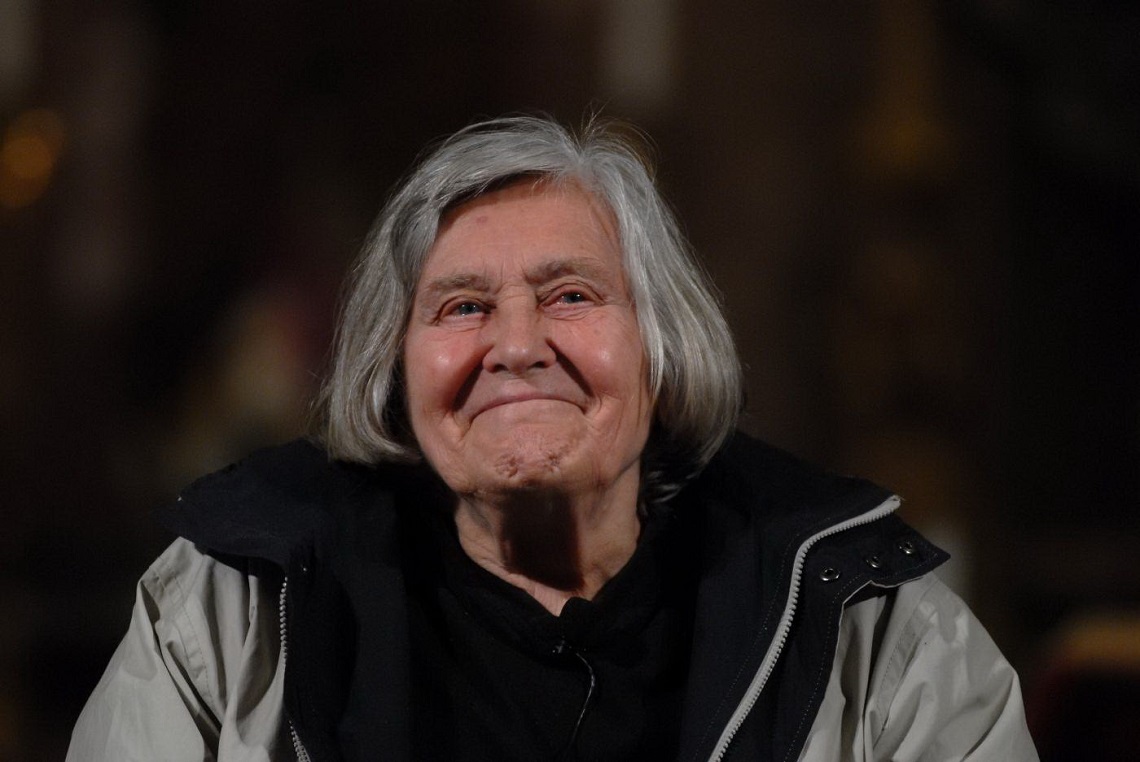
However, women are stronger than stereotypes, and it’s demonstrated by numerous examples of female scientists that successfully challenged a historically sexist environment. Among them, Marie Curie, Nobel Prize in Physics 1903 and in Chemistry 1911, and first female professor at the Sorbonne; Margherita Hack, leading astrophysicist in the Italian and international scientific community; Cecilia Payne, astrophysicist that discovered the composition of stars in terms of helium and hydrogen; and Samantha Cristoforetti, astronaut and first Italian woman to be part of a crew of the European Space Agency.
In order to achieve gender equality and allow women and girls to have equal access to and participation in the scientific world, the United Nations declared 11 February as the International Day for Women and Girls in Science. Despite the efforts carried out by the international community to enhance women’s and girls’ participation in science, the competition with men is still uneven.
According to a study carried out in 14 countries, the odds girls have to earn a bachelor’s degree, a master’s degree or a PHD in science are 18%, 8%, and 2% respectively, whilst for male students are 37%, 18%, and 6% respectively.
“The progression of knowledge is made possible by the work of the great geniuses who preceded us,” said Margherita Hack, regardless of their gender.
Siamo anche su WhatsApp. Segui il canale ufficiale LifeGate per restare aggiornata, aggiornato sulle ultime notizie e sulle nostre attività.

Quest'opera è distribuita con Licenza Creative Commons Attribuzione - Non commerciale - Non opere derivate 4.0 Internazionale.
The Iom has released its latest report on migration routes. Since 2014, 82,000 people have died, and while numbers are declining in Europe, the toll is worsening elsewhere.
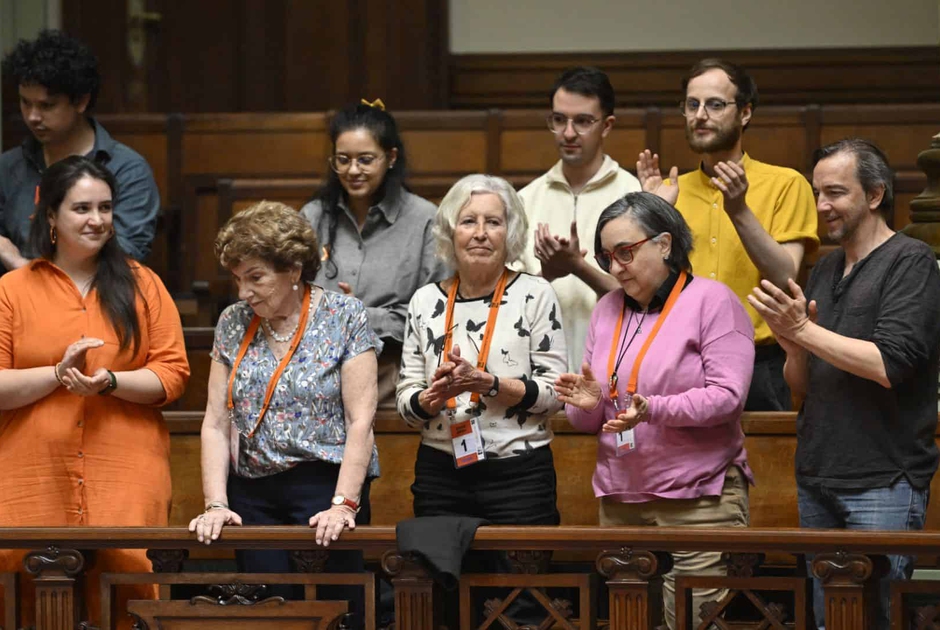
The European Parliament has voted in favour of the European Citizens’ Initiative My Voice, My Choice, calling for safe and accessible abortion across Europe. The next step now lies with the European Commission, which is expected to develop concrete measures.
Montevideo’s Senate has passed a new law allowing ‘death with dignity’ (but not assisted suicide), with the procedure permitted even just a few days after the request.
Costa Rica celebrated its first same-sex marriage when two women, Alexandra Quiros and Dunia Araya, celebrated their wedding: an “extraordinary moment”.
On top of a 2.4 million dollar compensation, the indigenous Ashaninka people will receive an official apology from the companies who deforested their lands in the 1980s.
From Italy to the United States, workers in the logistics and delivery sectors are protesting to demand better sanitary conditions to protect themselves from Covid-19.
The pandemic and its restrictions are affecting everyone, without exceptions. However factors like housing, income inequalities, gender, access to technology and working conditions are influencing how people experience the health crisis.
In the midst of India’s coronavirus lockdown, two dozen people lost their lives in a desperate bid to return home: migrant labourers forced to leave the cities where they worked once starvation began knocking at their doors.
Apple, Dell, Microsoft and Tesla are among the tech companies named in a lawsuit brought in the US by the families of children killed and maimed in cobalt mining activities in the Democratic Republic of Congo.