

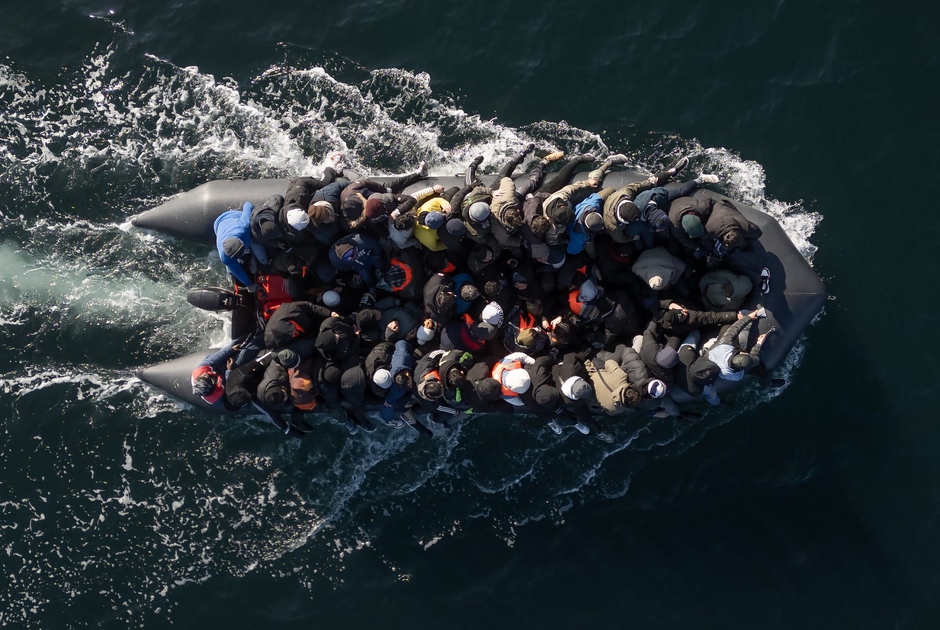
The Iom has released its latest report on migration routes. Since 2014, 82,000 people have died, and while numbers are declining in Europe, the toll is worsening elsewhere.
Discrimination still affects many people in different environments, from schools to workplaces and hospitals. Zero Discrimination Day aims to enhance diversity.
While on the one hand the world becomes more “connected” thanks to the development of technology and communications, on the other hand the fear of differences and the consequent discrimination remain widespread. Gender, nationality, sexual orientation and religion are only few of the countless pretexts for discrimination.
For instance, only in four countries out of ten the number of girls attending secondary schools is equal to that of boys, while 75 countries have laws criminalising relationships between people of the same sex. In order to promote diversity and teach the respect towards differences, Zero Discrimination Day is celebrated on 1 March, established by the United Nations.
Aimed at enhancing individuality and the peculiar differences characterising each and every one of us, the 2019 edition is dedicated to promoting positive changes in national laws and policies to ensure that these encourage equality, inclusion and protection. “Human rights violations are happening all over the world because of discriminatory laws and practices,” says Michel Sidibé, Executive Director of UNAIDS. “Laws must protect, not cause harm. All countries must carefully examine their laws and policies in order to ensure equality and protection for all people, without exception.”
“When the most marginalised and vulnerable face discrimination and abuse, all of us are diminished,” according to former United Nations Secretary-General Ban Ki-moon. “The United Nations is strongly committed to upholding human rights and dignity for all.”
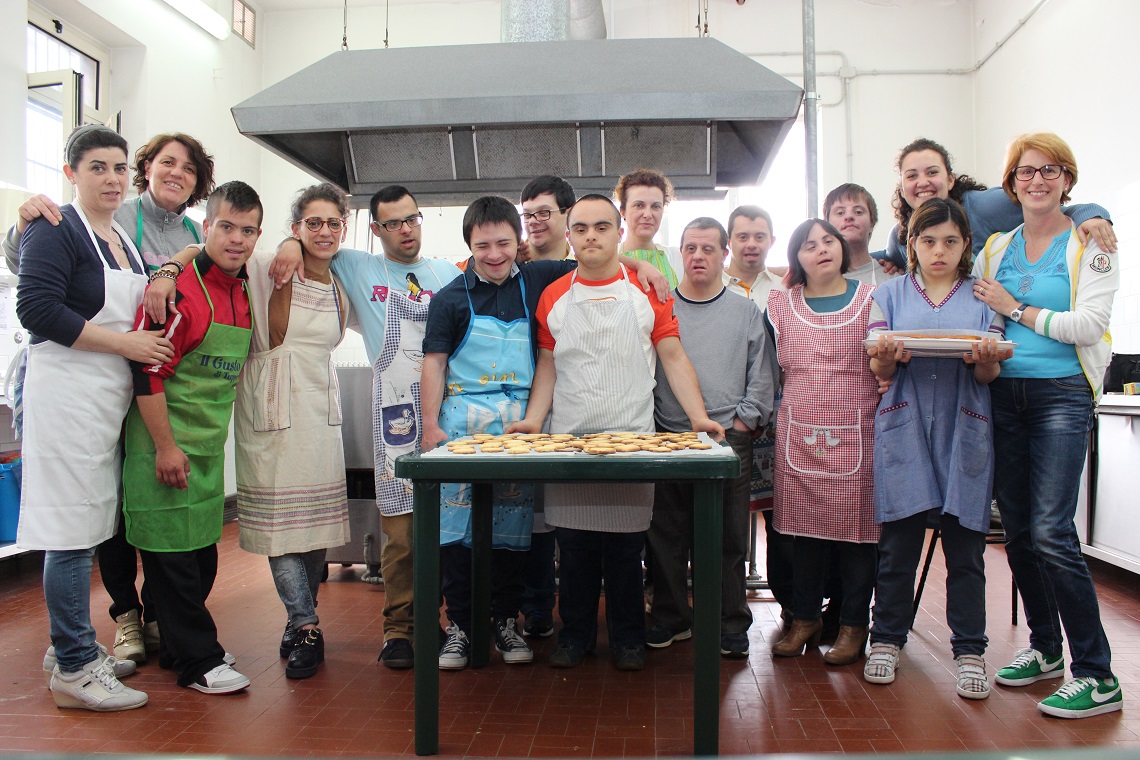
On Zero Discrimination Day, people are encouraged to enhance and embrace diversity and recognise people’s different talents and competences enriching and strengthening communities. Diversity is a precious resource and accepting and embracing it only lead to more benefits for our society.
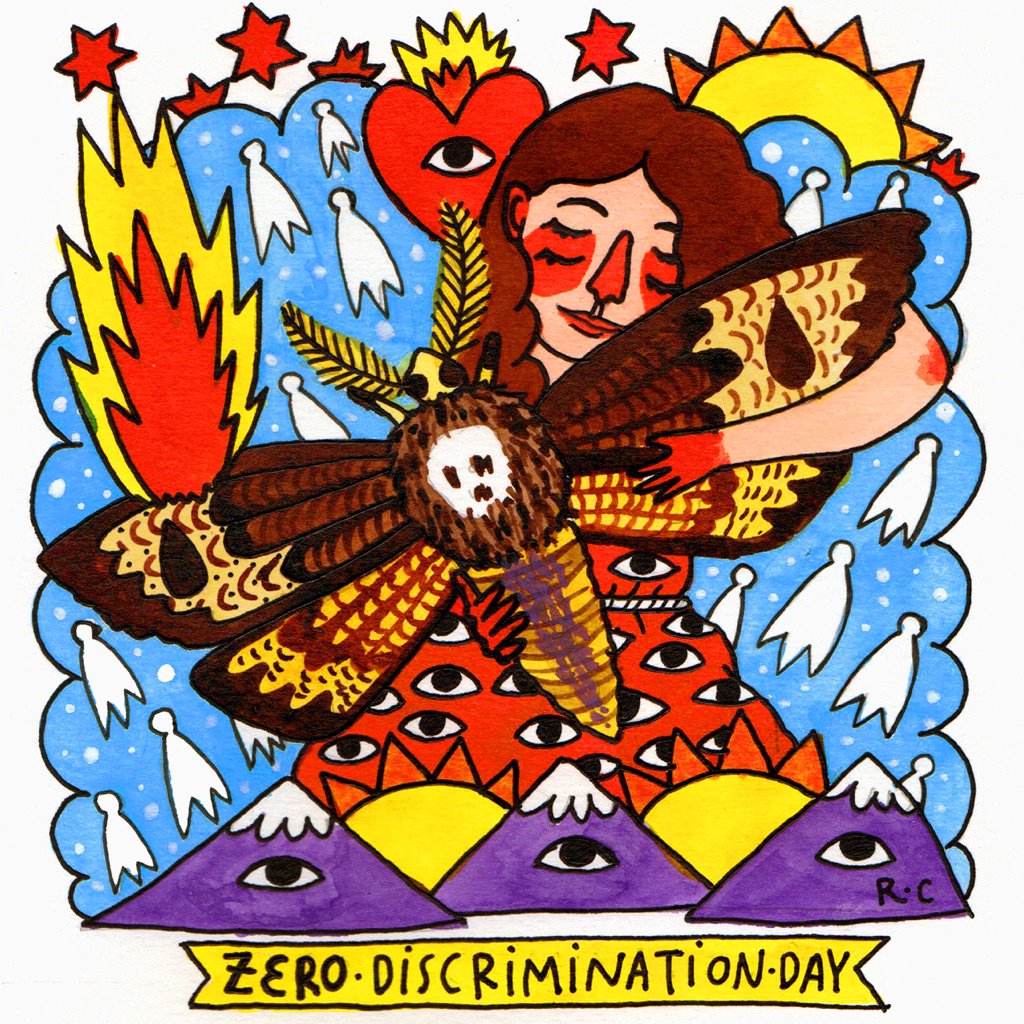
The hashtag to be used throughout the day is #ZeroDiscrimination. People can post their images, drawings, music, and videos on Facebook, Twitter and Instagram aimed at depicting their own story of overcoming discrimination. Many artists, designers and illustrators have created original works on the issue.
Siamo anche su WhatsApp. Segui il canale ufficiale LifeGate per restare aggiornata, aggiornato sulle ultime notizie e sulle nostre attività.

Quest'opera è distribuita con Licenza Creative Commons Attribuzione - Non commerciale - Non opere derivate 4.0 Internazionale.
The Iom has released its latest report on migration routes. Since 2014, 82,000 people have died, and while numbers are declining in Europe, the toll is worsening elsewhere.
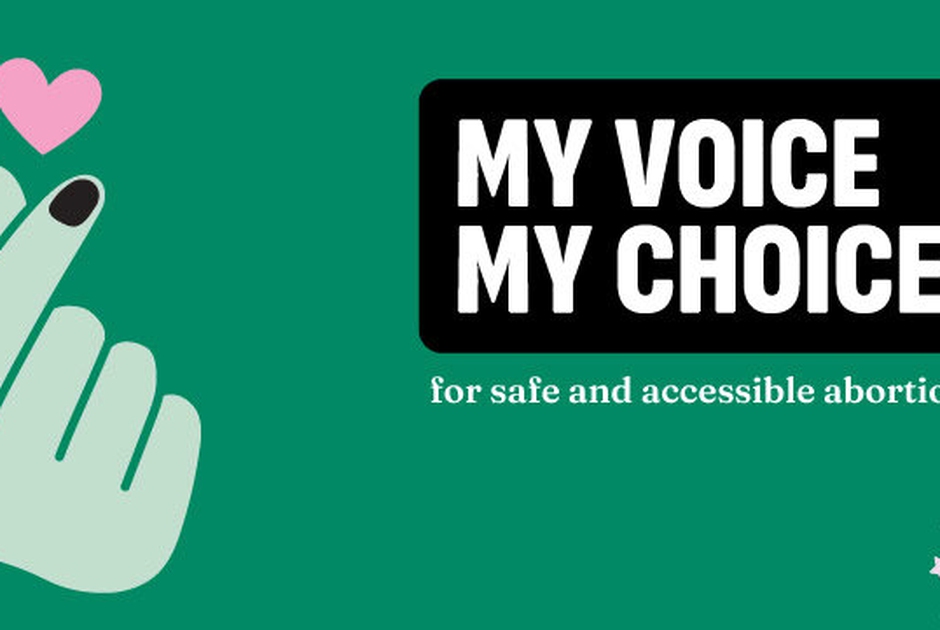
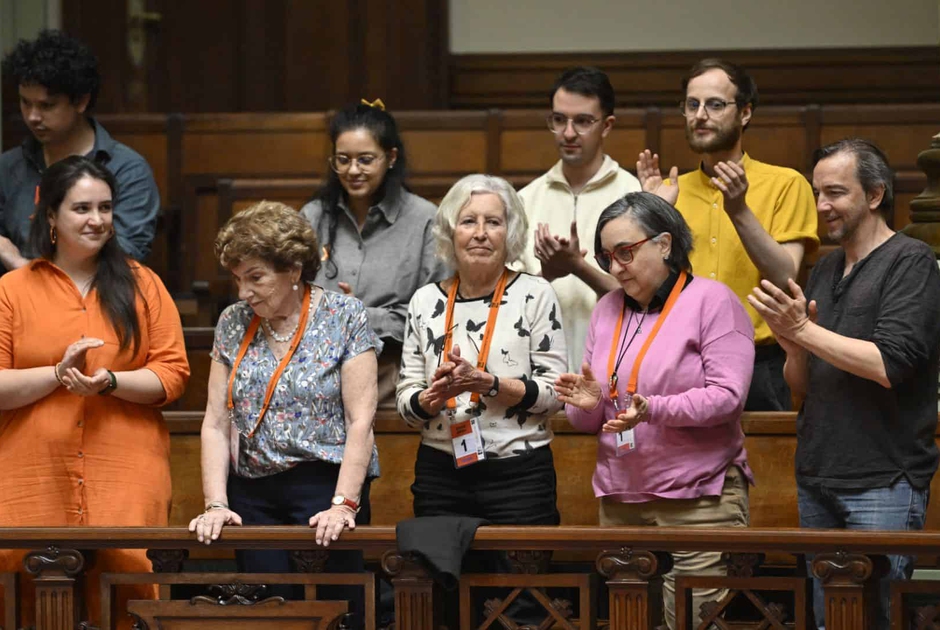
The European Parliament has voted in favour of the European Citizens’ Initiative My Voice, My Choice, calling for safe and accessible abortion across Europe. The next step now lies with the European Commission, which is expected to develop concrete measures.
Montevideo’s Senate has passed a new law allowing ‘death with dignity’ (but not assisted suicide), with the procedure permitted even just a few days after the request.
Costa Rica celebrated its first same-sex marriage when two women, Alexandra Quiros and Dunia Araya, celebrated their wedding: an “extraordinary moment”.
On top of a 2.4 million dollar compensation, the indigenous Ashaninka people will receive an official apology from the companies who deforested their lands in the 1980s.
From Italy to the United States, workers in the logistics and delivery sectors are protesting to demand better sanitary conditions to protect themselves from Covid-19.
The pandemic and its restrictions are affecting everyone, without exceptions. However factors like housing, income inequalities, gender, access to technology and working conditions are influencing how people experience the health crisis.
In the midst of India’s coronavirus lockdown, two dozen people lost their lives in a desperate bid to return home: migrant labourers forced to leave the cities where they worked once starvation began knocking at their doors.
Apple, Dell, Microsoft and Tesla are among the tech companies named in a lawsuit brought in the US by the families of children killed and maimed in cobalt mining activities in the Democratic Republic of Congo.