



Last February, Malaysia imposed a total ban on electronic waste imports. Yet toxic e-waste continues to arrive from the United States and other countries through illegal trafficking networks.
A due anni dall’inizio del conflitto, le ong accusano l’embargo imposto dall’Onu nell’aprile del 2015: “Si è trasformato in un blocco sul cibo”.
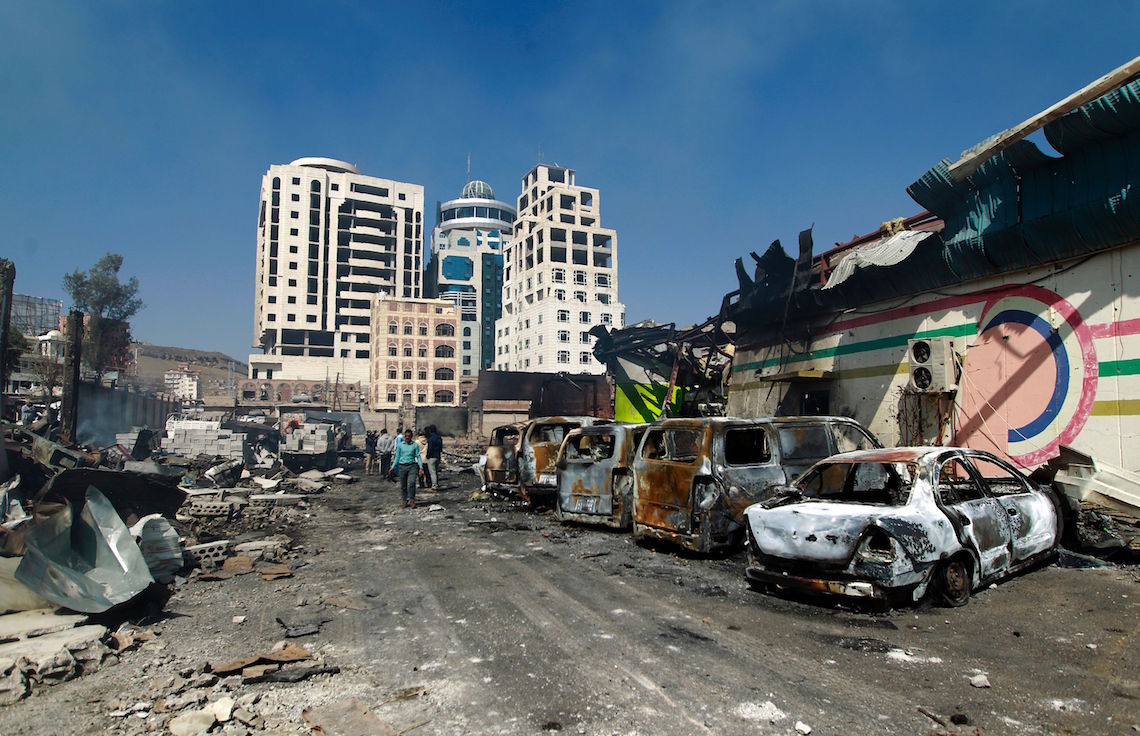
At least 7,700 people have died – 1,546 of which were children – and three million have been made refugees. The figures related to the war in Yemen, which is too often forgot by international media, point to a humanitarian crisis. A crisis that begun two years ago, when the conflict broke out on 26 March 2015.
“At least 19 million people need humanitarian and protection aids in the country,” Action Contre la Faim Director Véronique Andrieux told French newspaper Le Monde. “In Hodheida, one out of three children is malnourished. Appearances aside, what starves people are political decisions”.
Indeed, the activist blames the arms embargo on Shiite Houtis and their allies imposed by the United Nations in April 2015. “In 2014 Yemen imported 90 per cent of its foodstuffs by sea. The arms embargo soon became a nearly total aerial and maritime blockade, which enormously limited the imports of basic necessities including food”. She then directly accused the countries supporting the military coalition of Saudi Arabia (United States, France and United Kingdom): “They must stop evading their responsibilities. If the harbour of Hodheida is blocked too, the yet spread humanitarian crisis will be worsened. Last January the price of wheat increased by 32 per cent compared to before the beginning of the conflict”.
Several NGOs point out that since the outbreak of the conflict the United States and the United Kingdom have given Saudi Arabia weapons for a total of more than 5 billion dollars. “It is ten times the aids provided to Yemen by the two countries – which amounted to 450 million dollars. Weapons were used to make violations of human rights and spurred the humanitarian crisis,” stated Amnesty International. The association called on the international community to open “a convincing international investigation into the crimes perpetrated by all parties involved in the conflict” and to make “immediate decisions to halt the flow of weapons in the area”.
The ongoing conflict in Yemen makes it impossible to carrying on with a normal life. Among the consequences of the conflict is the impossibility for children to continue studies. According to the United Nations, school dropout has doubled due to the war. “As a result, an entire generation of children risks losing out on their future,” said Shabia Mantoo, Yemen spokesman for the UN refugee agency. In fact, 1,640 schools (10 per cent of the country’s facilities) have been destroyed, made unusable or given to the military to be turned into barracks. According to UNICEF, 212 strikes have targeted schools, causing the death of tens of schoolchildren.
Siamo anche su WhatsApp. Segui il canale ufficiale LifeGate per restare aggiornata, aggiornato sulle ultime notizie e sulle nostre attività.

Quest'opera è distribuita con Licenza Creative Commons Attribuzione - Non commerciale - Non opere derivate 4.0 Internazionale.
Last February, Malaysia imposed a total ban on electronic waste imports. Yet toxic e-waste continues to arrive from the United States and other countries through illegal trafficking networks.
The measure is part of the new EU Ecodesign Regulation, which came into force on 19 July and requires greater transparency and better inventory management from companies.
Ecuador’s shrimp exports continue to grow, but the country’s mangrove ecosystems are paying the highest price.
Copenhagen ranks first in the 2026 Global Liveability Index, followed by Vienna and Melbourne. Among the cities recording the greatest improvement in quality of life is New York.
Record temperatures and border checks: how climate and migration policies are reshaping sport.
Since the ceasefire began in mid-April, the Israeli military has killed at least 331 people in Lebanon. It is now intensifying both its air and ground attacks.
The Iom has released its latest report on migration routes. Since 2014, 82,000 people have died, and while numbers are declining in Europe, the toll is worsening elsewhere.
Israeli bombings in Lebanon have already caused over 900 deaths and one million displaced people, with growing concerns of genocide.
Animal shelters in Dubai report a surge in abandoned pets as wealthy residents flee Middle East tensions, leaving cats and dogs behind.


