




Last February, Malaysia imposed a total ban on electronic waste imports. Yet toxic e-waste continues to arrive from the United States and other countries through illegal trafficking networks.
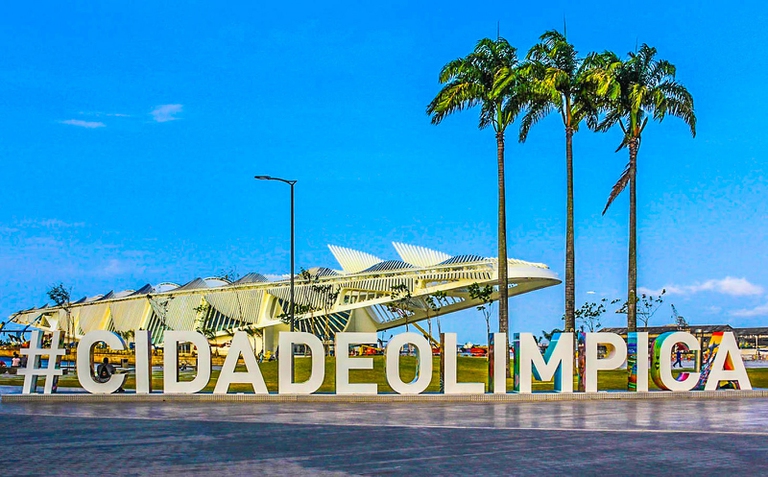
Rio 2016 has a special place in the history of sustainability because of its social and environmental commitments – but also its controversies. In 1996 the International Olympic Committee (IOC) amended the Olympic Charter introducing this concept among its values in order to “encourage and support a responsible concern for environmental issues, to promote sustainable development in
Rio 2016 has a special place in the history of sustainability because of its social and environmental commitments – but also its controversies. In 1996 the International Olympic Committee (IOC) amended the Olympic Charter introducing this concept among its values in order to “encourage and support a responsible concern for environmental issues, to promote sustainable development in sport”. Twenty years later, the Rio Olympic and Paralympic Games have aimed to minimise social and environmental impacts by investing in a more sustainable management approach and developing a series of innovative initiatives.
Rio 2016, however, was also characterised by a number of controversies relating to indigenous land issues, police violence and environmental issues. It is to be seen whether after the Games Brazil will demonstrate that its commitment to sustainability is more than a hot topic of the moment, due to worldwide attention on the country, or an authentic objective for the future. With its energy portfolio – one of the most diversified in the world – and its potentialities, Brazil could become a pioneer of sustainable growth.
After London 2012, Rio 2016 also obtained ISO 20121 Certification, a standard to improve the sustainability of events. Starting from the 2010 Vancouver Winter Olympics, the Olympic Committee has improved the Games’ accountability and transparency through the publication of Sustainability Reports in accordance with Global Reporting Initiative Standards.
Notable among the sustainability initiatives of the Olympic and Paralympic Games of Rio 2016 are:
Despite efforts to reduce the event’s impacts, and spreading a climate change call-to-action all over the world also during the Opening ceremony, Rio 2016 faced and is facing many controversial social and environmental issues:
Most of these represent Brazil’s next challenges in order to improve its commitment to sustainability and create shared values with local communities.
The next Olympic Games will take place in Tokyo in 2020 and the attention towards sustainability issues will continue, for example in order to continue amplifying a climate change action message. The Olympic Committee published the first drafts of the Tokyo 2020 Sustainability Plan and Tokyo 2020 Sustainability Sourcing Code in January 2016, asking all stakeholders to provide comments and feedback in order to improve the Games’ commitment to sustainability.
Siamo anche su WhatsApp. Segui il canale ufficiale LifeGate per restare aggiornata, aggiornato sulle ultime notizie e sulle nostre attività.

Quest'opera è distribuita con Licenza Creative Commons Attribuzione - Non commerciale - Non opere derivate 4.0 Internazionale.
Last February, Malaysia imposed a total ban on electronic waste imports. Yet toxic e-waste continues to arrive from the United States and other countries through illegal trafficking networks.
The measure is part of the new EU Ecodesign Regulation, which came into force on 19 July and requires greater transparency and better inventory management from companies.
Ecuador’s shrimp exports continue to grow, but the country’s mangrove ecosystems are paying the highest price.
Copenhagen ranks first in the 2026 Global Liveability Index, followed by Vienna and Melbourne. Among the cities recording the greatest improvement in quality of life is New York.
Record temperatures and border checks: how climate and migration policies are reshaping sport.
Since the ceasefire began in mid-April, the Israeli military has killed at least 331 people in Lebanon. It is now intensifying both its air and ground attacks.
The Iom has released its latest report on migration routes. Since 2014, 82,000 people have died, and while numbers are declining in Europe, the toll is worsening elsewhere.
Israeli bombings in Lebanon have already caused over 900 deaths and one million displaced people, with growing concerns of genocide.
Animal shelters in Dubai report a surge in abandoned pets as wealthy residents flee Middle East tensions, leaving cats and dogs behind.


