





Last February, Malaysia imposed a total ban on electronic waste imports. Yet toxic e-waste continues to arrive from the United States and other countries through illegal trafficking networks.
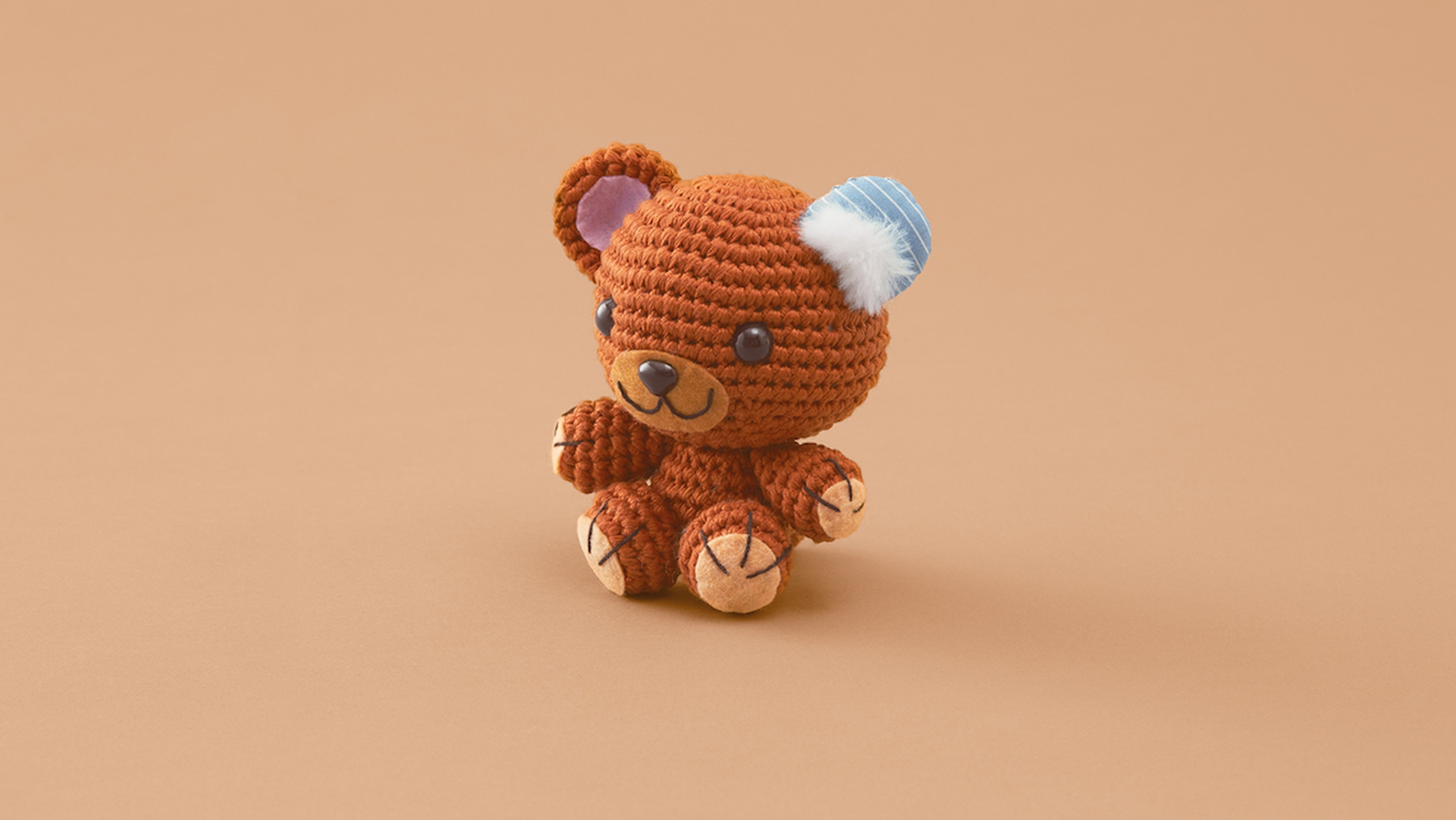
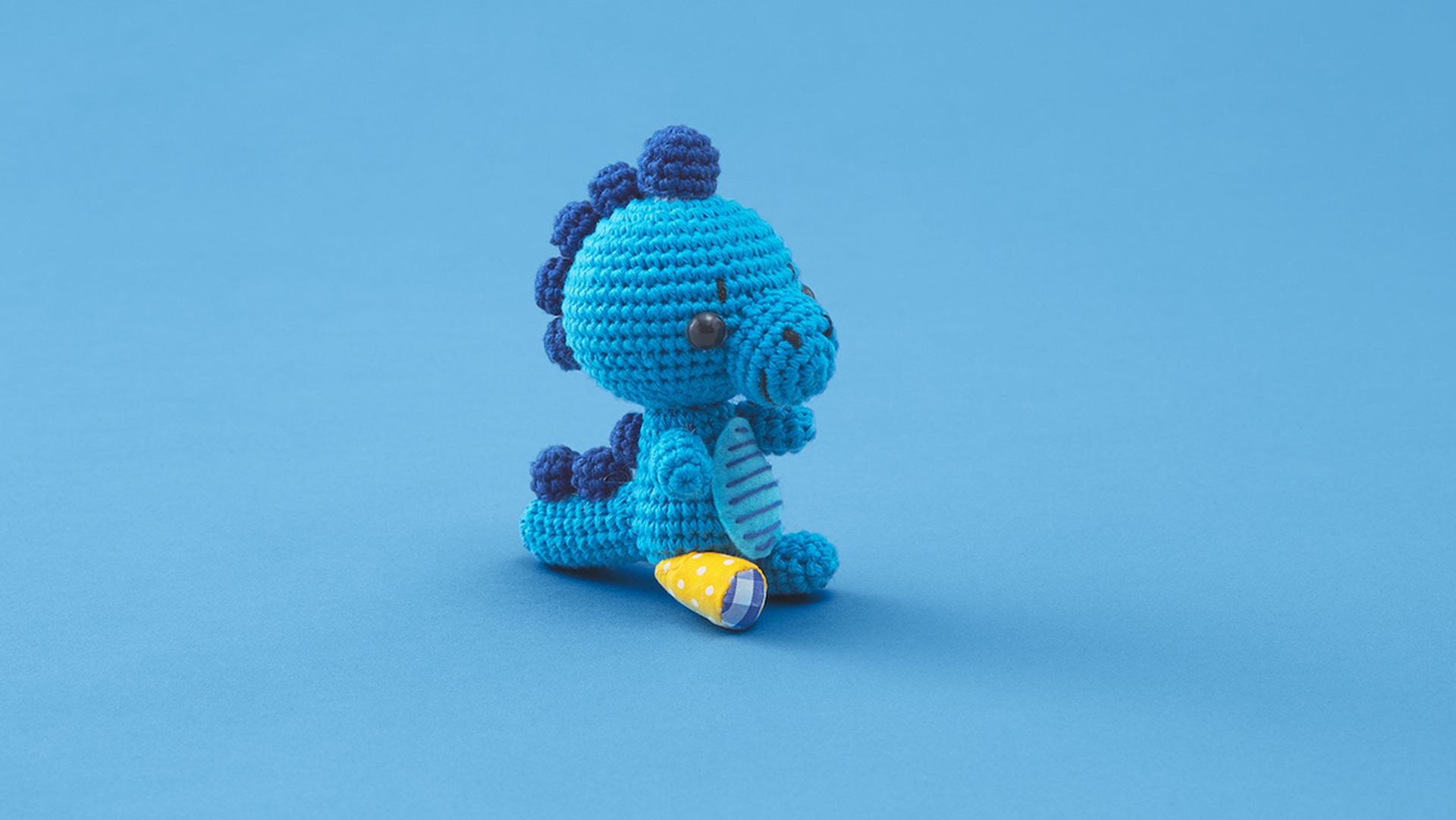
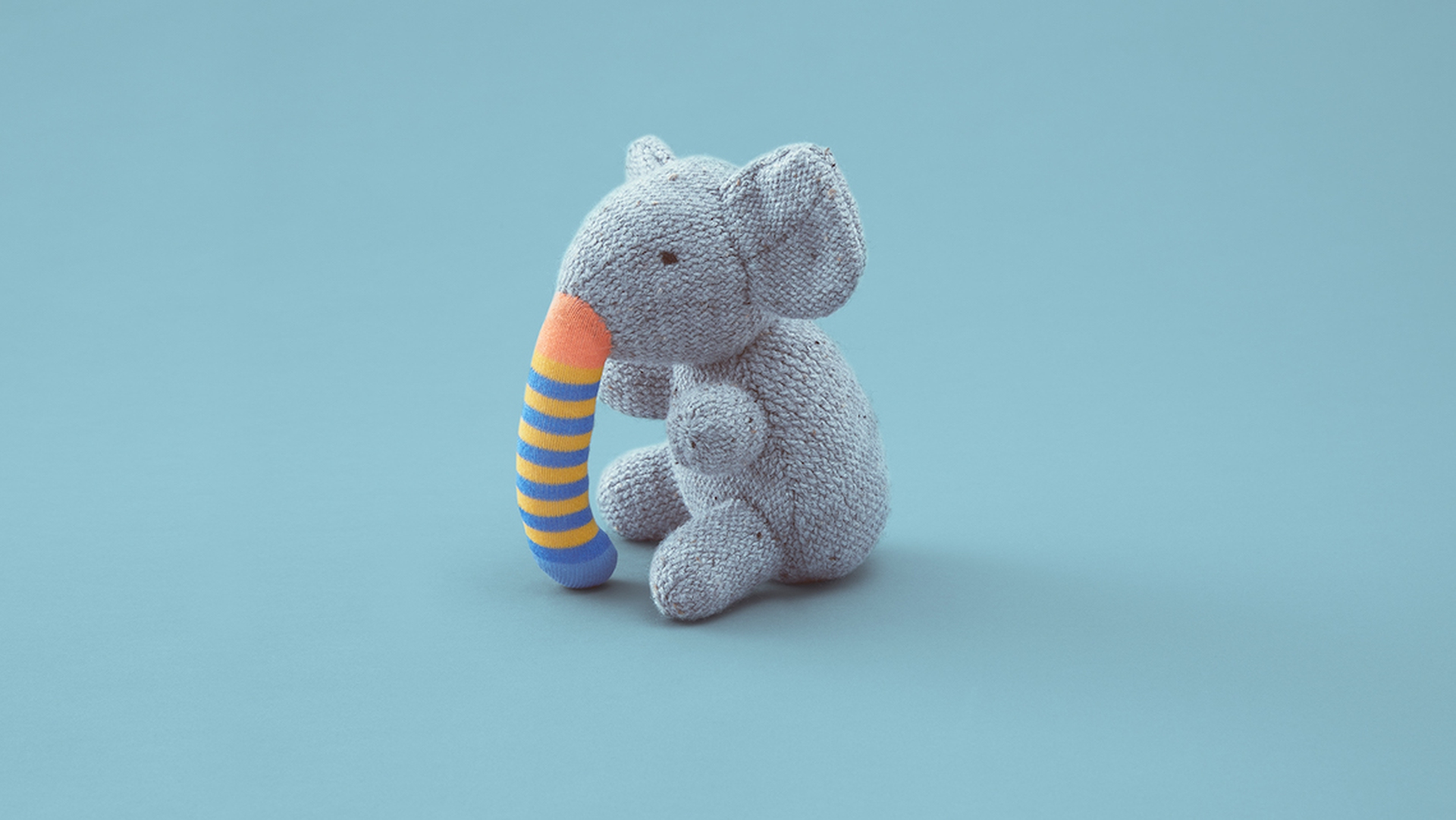
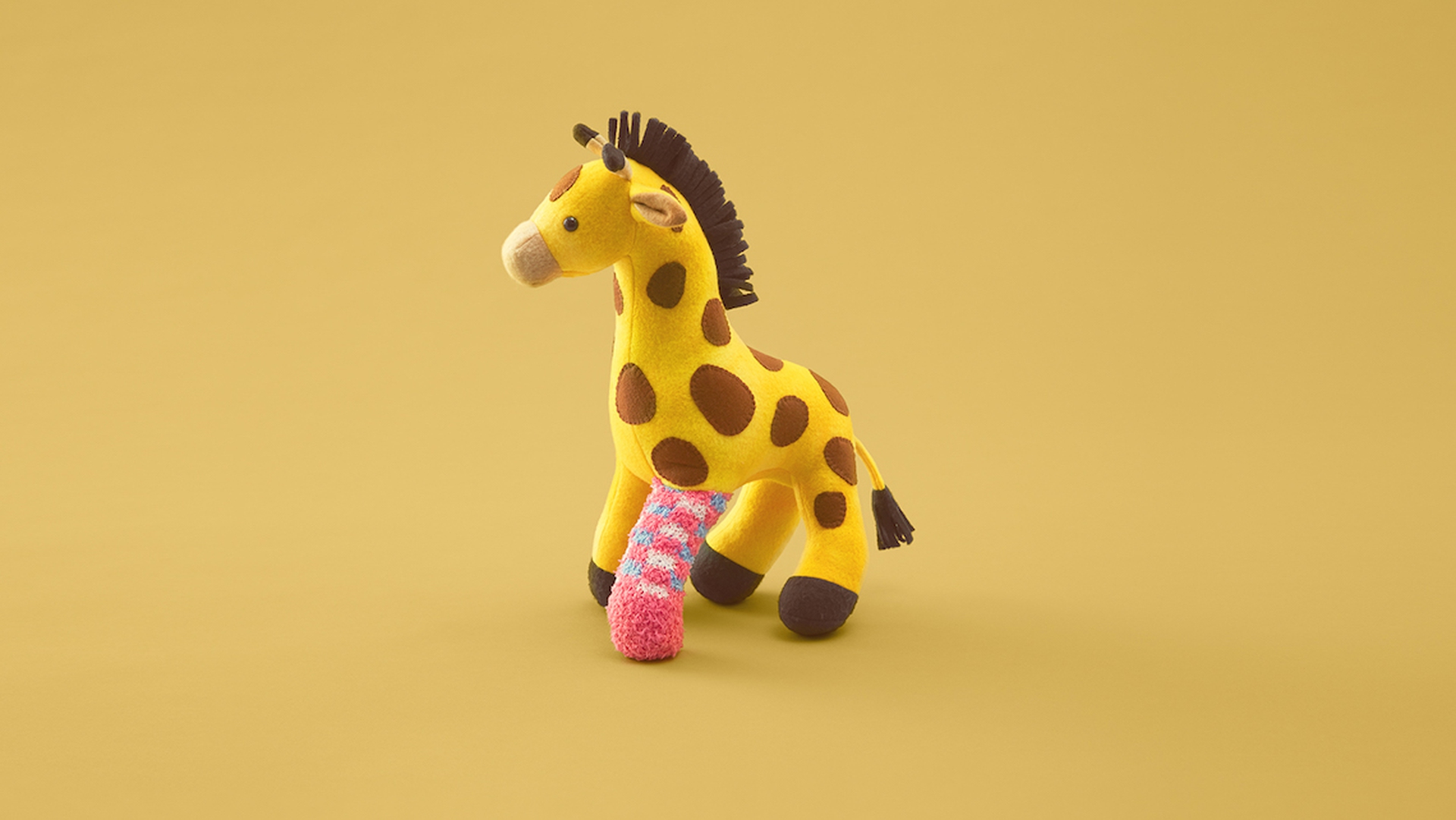
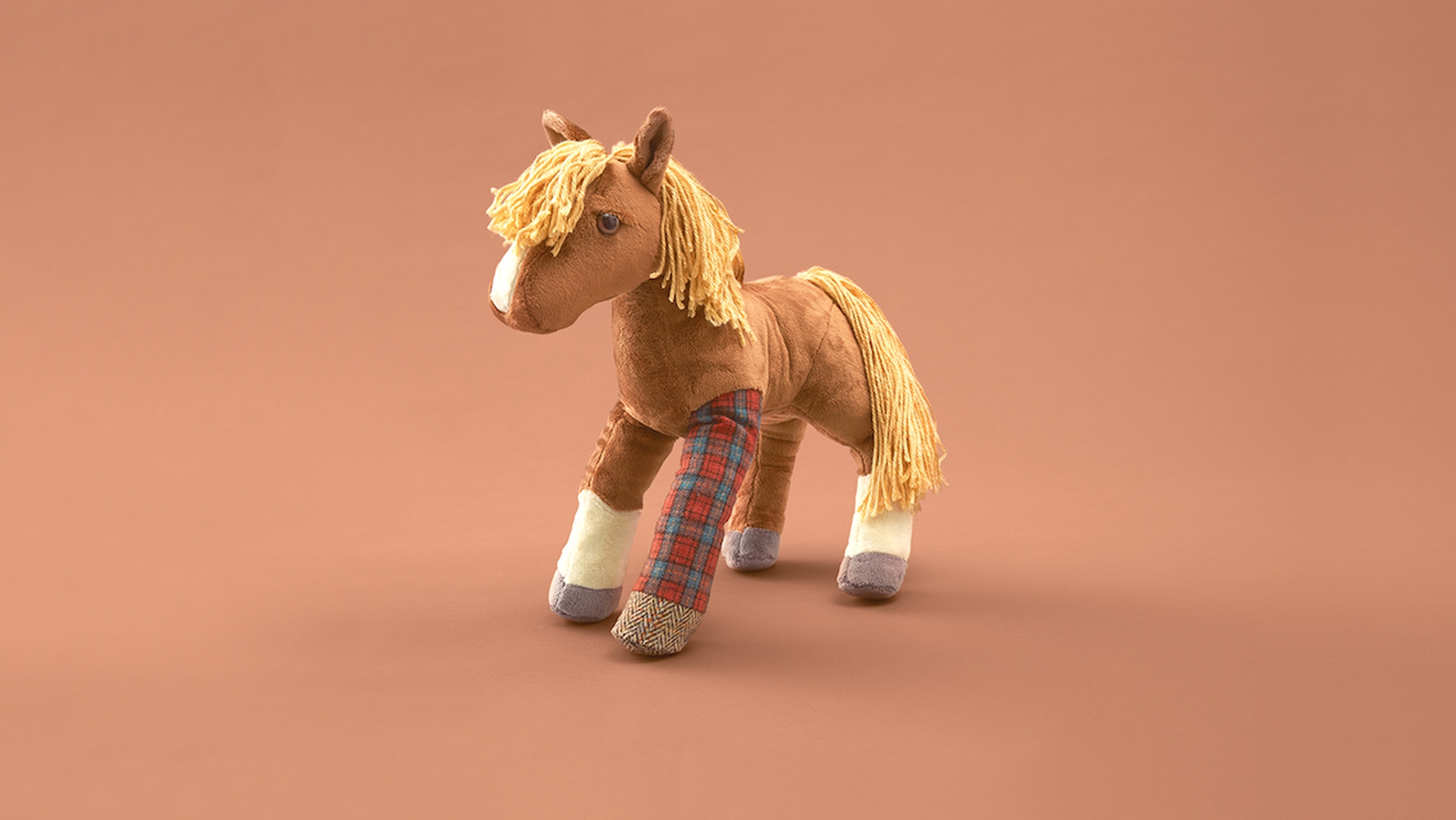
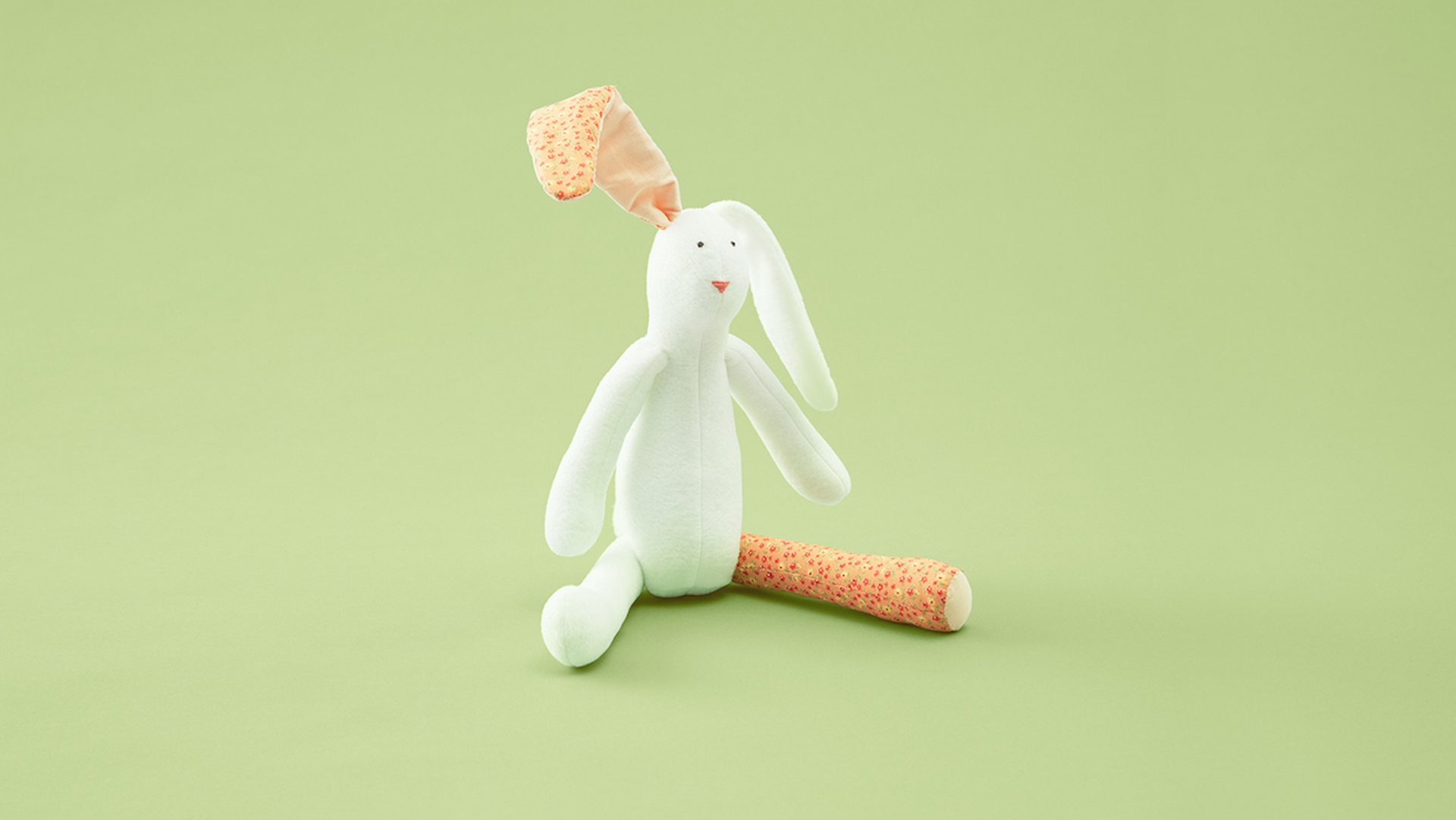
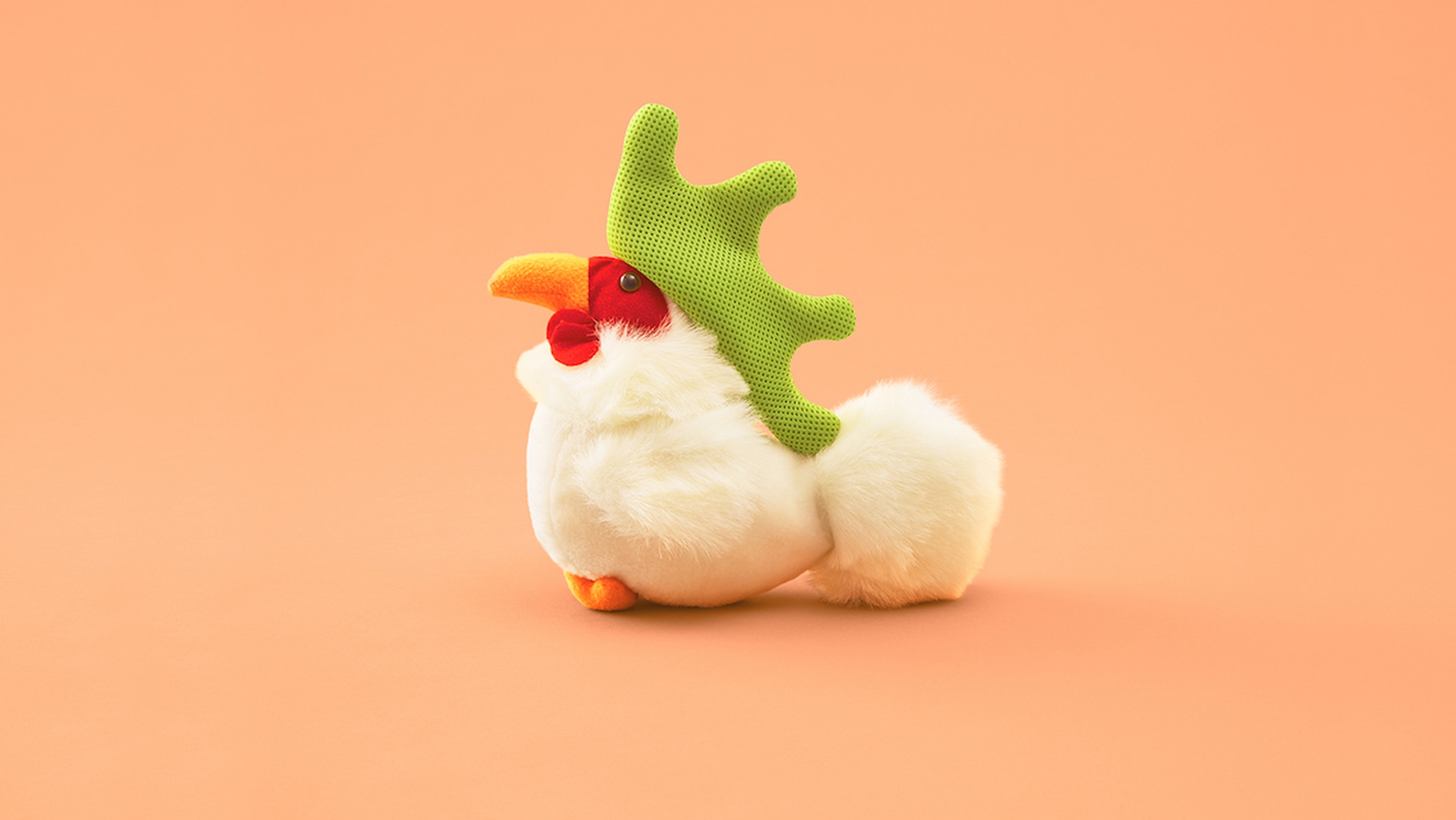
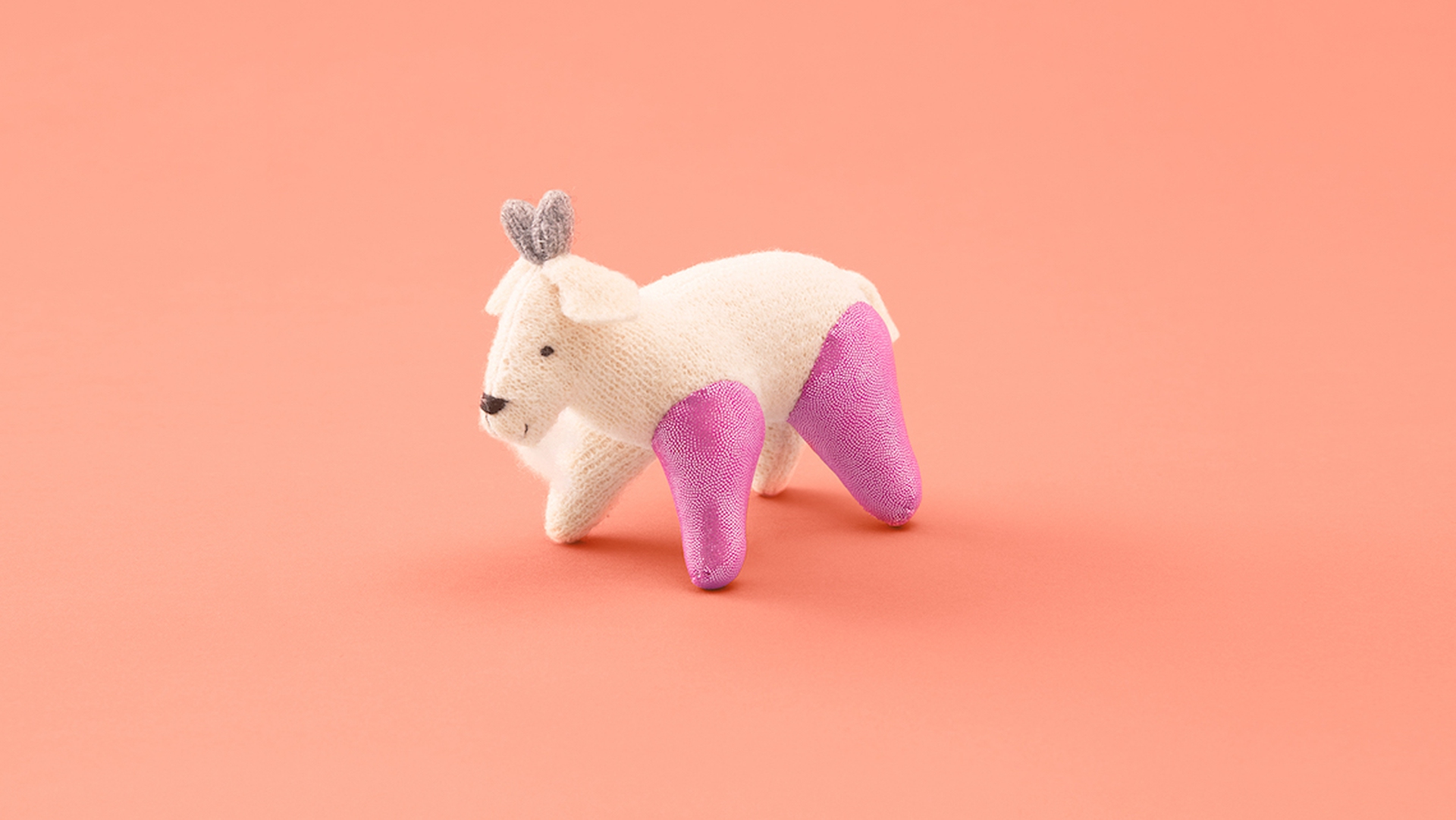
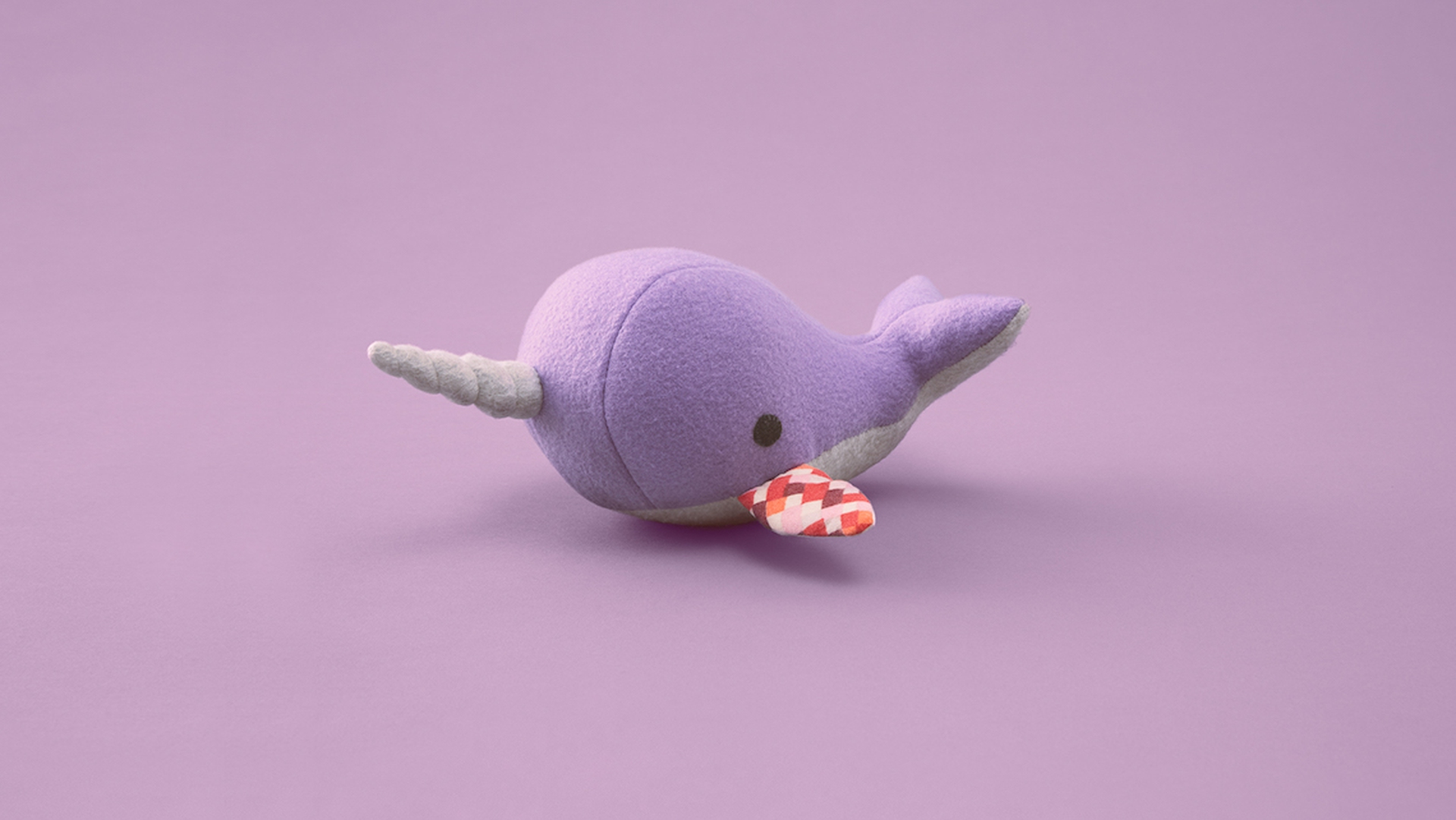
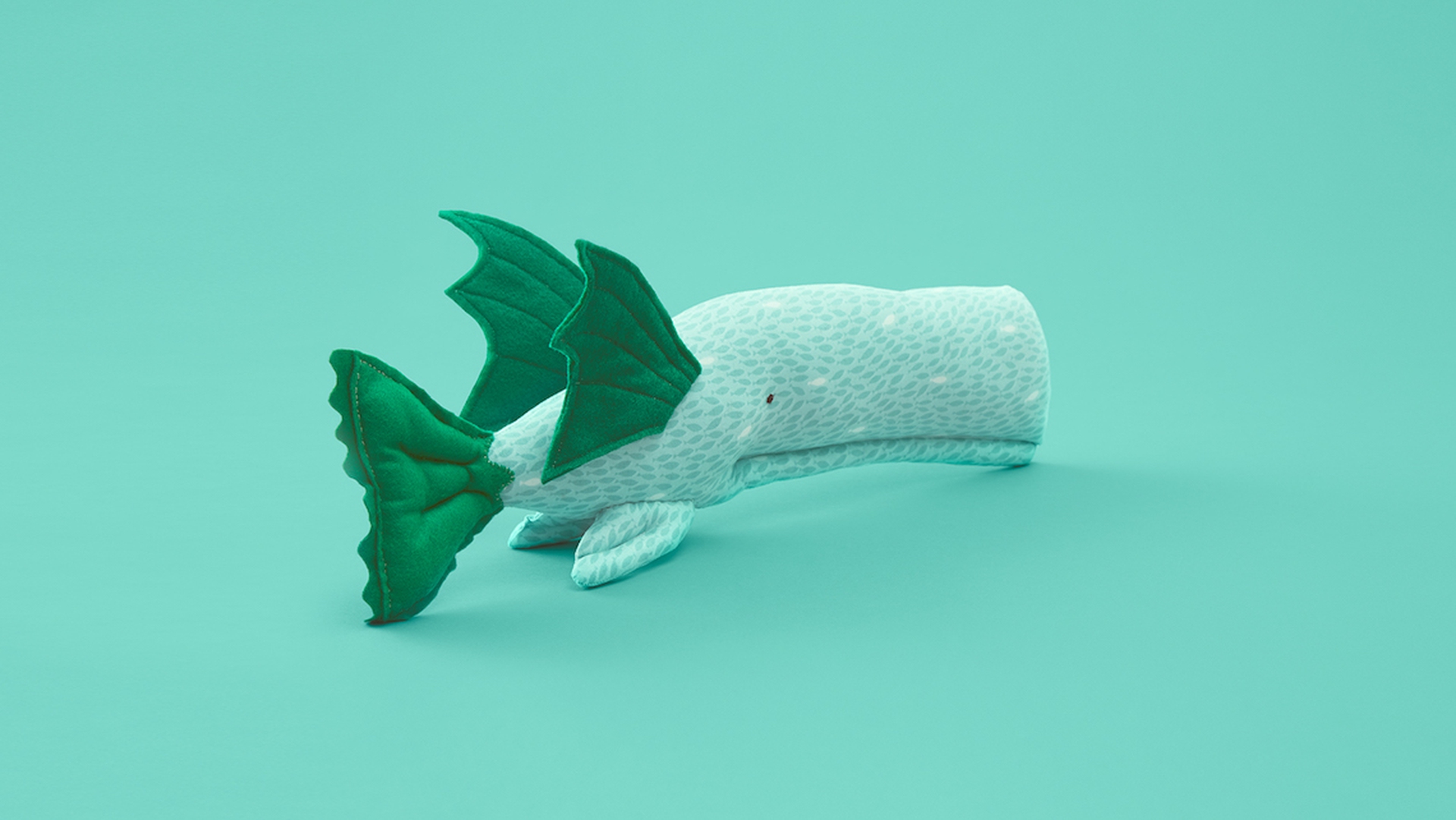
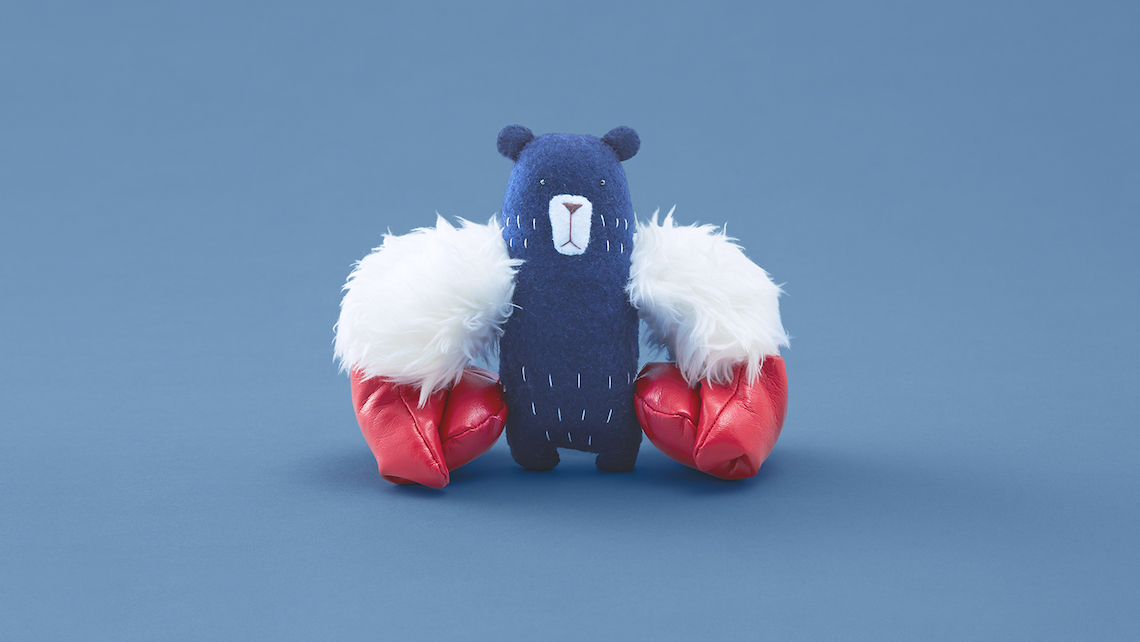
Second Life Toys aims to raise awareness on an infrequently mentioned issue, that of child organ transplants – breaking it down (and sewing it back together again). The Japanese organisation came up with a smart, friendly way of explaining the problem in a simple manner using what children love the most: toys. By taking broken
Second Life Toys aims to raise awareness on an infrequently mentioned issue, that of child organ transplants – breaking it down (and sewing it back together again). The Japanese organisation came up with a smart, friendly way of explaining the problem in a simple manner using what children love the most: toys. By taking broken toys and fixing them using parts of other unused yet intact ones to recreate a healthy play-pal, Second Life Toys hopes to spread the word on this important issue.
Organ transplants aren’t only a technically challenging operation for surgeons, they involve a complicated process of finding volunteers willing to donate part of themselves in order to save someone else. This is especially true in Japan, where out of the 14,000 patients on waiting lists, only 300 a year will receive life-saving donations.
An even more delicate subject matter, rarely discussed, is that of child organ transplants. It isn’t always possible to use a fully-grown adult’s organs in a developing body, thus the only other option is finding children (and supporting families) willing to help the afflicted child.
This is even harder than finding adult donors as the parents or guardians of a healthy child might not be willing to let their little one’s organs be taken out from his or her growing body. In addition to this, the healthy child might not even understand what would be asked of them, further complicating an already dire situation.
Aside from the problem of finding suitable organs for transplantation, one of the main dilemmas faced by children in need of healthy organs is that of understanding. The good news is Second Life Toys is trying to change this. Anyone can participate in their colourful campaign by donating not organs, but old stuffed toys.
There are two ways of getting involved: either by sending a donor toy or one in need of fixing. A picture of the toy must be supplied to the organisation first in order for them to check its condition. This will then help Second Life Toys find a suitable match and avoid the possibility of the broken toy rejecting the new body part. Once everything has been confirmed the toy can be sent to a designated address in Japan, where it will be fixed or used to fix a fellow plushy, and finally sent back to its original home with a thank you letter from the now cured fun-buddy.
Siamo anche su WhatsApp. Segui il canale ufficiale LifeGate per restare aggiornata, aggiornato sulle ultime notizie e sulle nostre attività.

Quest'opera è distribuita con Licenza Creative Commons Attribuzione - Non commerciale - Non opere derivate 4.0 Internazionale.
Last February, Malaysia imposed a total ban on electronic waste imports. Yet toxic e-waste continues to arrive from the United States and other countries through illegal trafficking networks.
The measure is part of the new EU Ecodesign Regulation, which came into force on 19 July and requires greater transparency and better inventory management from companies.
Ecuador’s shrimp exports continue to grow, but the country’s mangrove ecosystems are paying the highest price.
Copenhagen ranks first in the 2026 Global Liveability Index, followed by Vienna and Melbourne. Among the cities recording the greatest improvement in quality of life is New York.
Record temperatures and border checks: how climate and migration policies are reshaping sport.
Since the ceasefire began in mid-April, the Israeli military has killed at least 331 people in Lebanon. It is now intensifying both its air and ground attacks.
The Iom has released its latest report on migration routes. Since 2014, 82,000 people have died, and while numbers are declining in Europe, the toll is worsening elsewhere.
Israeli bombings in Lebanon have already caused over 900 deaths and one million displaced people, with growing concerns of genocide.
Animal shelters in Dubai report a surge in abandoned pets as wealthy residents flee Middle East tensions, leaving cats and dogs behind.


