




Last February, Malaysia imposed a total ban on electronic waste imports. Yet toxic e-waste continues to arrive from the United States and other countries through illegal trafficking networks.
L’ex primo ministro e presidente della Repubblica di Israele è morto a 93 anni. Chi era davvero uno dei più importanti politici della storia del paese.
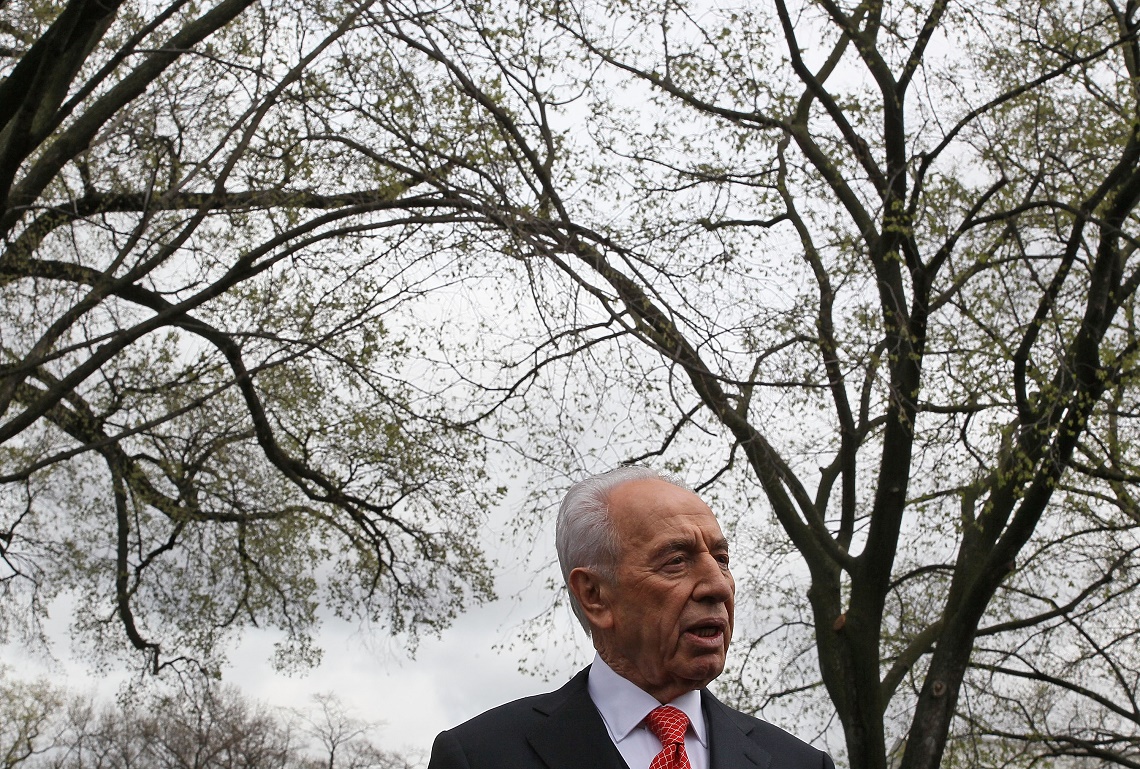
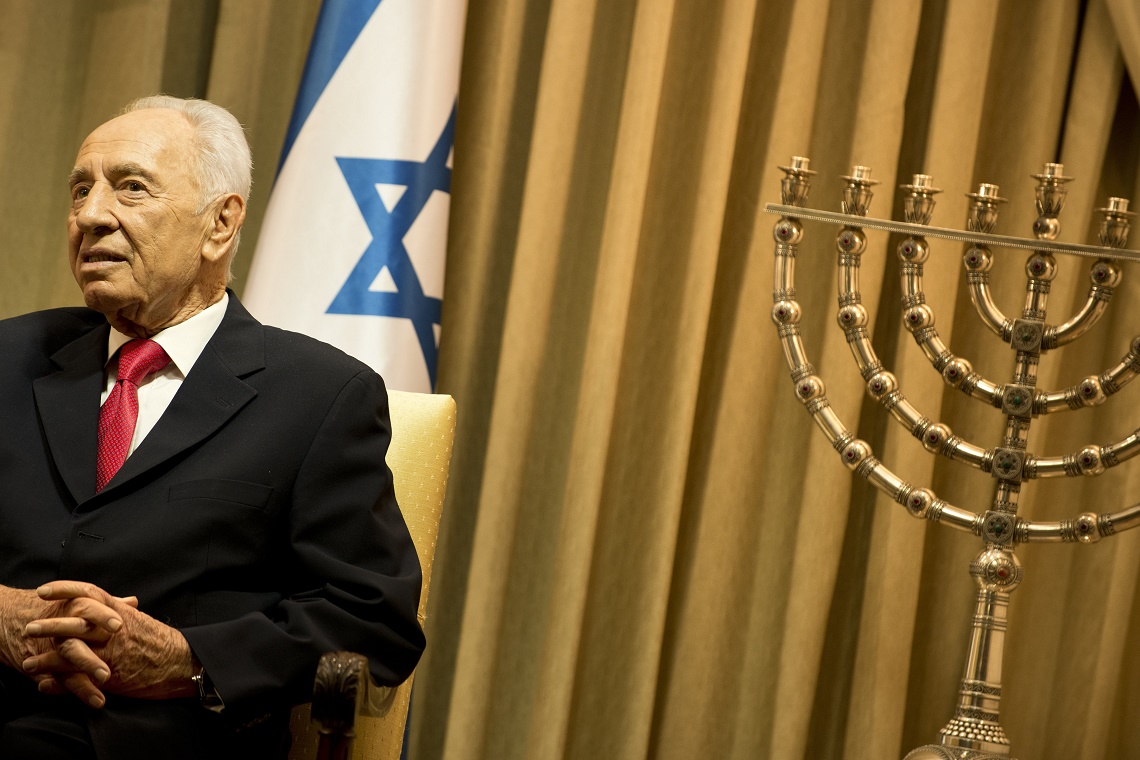
Shimon Peres, considered a historical representative of the Israeli Labour Party and one of the founding fathers of Israel, has died at the age of 93 two weeks after he suffered a stroke. He was hospitalised in critical conditions at the Sheba hospital in Tel Aviv.
“I will continue to help build my country, with a deep belief that one day it will know peace,” said Shimon Peres, underlining his will to end hostilities with Palestine. Thanks to his contribution to the negotiations of the Oslo accords in 1993 – the first peace deal ever signed by Israelis and Palestinians – Peres was awarded the Nobel Peace Prize in 1994. He shared the prize with then Israeli President Yitzhak Rabin and Palestinian leader Yasser Arafat.
Shimon Peres was born in Poland in 1923 under the name of Shimon Perski. When he arrived in Mandatory Palestine, Israel didn’t even exist, as it was founded in 1948. Peres served as deputy Minister, Minister of Defence, Foreign Minister, Minister for Transport, Minister for Information and Immigration, Prime Minister and President. He was the President of Israel from 2007 to 2014. Peres continued being committed to promoting dialogue between Jews and Arabs through his own Foundation, the Peres Centre for Peace, and visiting world leaders fascinated by his charismatic character.
Peace hasn’t been the only political element of Peres’ career. In 1970, when he was serving as Minister of Defence, he approved the first Jewish settlements in occupied West Bank, he was one of the supporters of the construction of the Dimona nuclear reactor, and was the responsible – as Prime Minister – for the Qana bombing, which killed 106 civilians in 1996. Under the military operation dubbed as Operation Grapes of Wrath, Israeli bombardiers hit the headquarters of the United Nations in Qana, Lebanon, demolishing the buildings in the area and burning alive 106 Lebanese and 4 UN peacekeepers (Blue Helmets).
Whichever aspect of Shimon Peres’ political career we decide to focus on, it’s undeniable that the former Israeli President understood the absolute urgency of a constructive dialogue between Israel and Palestine. “There is no alternative to peace. There is no sense to go to war,” he said while explaining the need to have “a Jewish state by the name of Israel and an Arab state by the name of Palestine not fighting each other but living together in friendship and cooperation”.
Siamo anche su WhatsApp. Segui il canale ufficiale LifeGate per restare aggiornata, aggiornato sulle ultime notizie e sulle nostre attività.

Quest'opera è distribuita con Licenza Creative Commons Attribuzione - Non commerciale - Non opere derivate 4.0 Internazionale.
Last February, Malaysia imposed a total ban on electronic waste imports. Yet toxic e-waste continues to arrive from the United States and other countries through illegal trafficking networks.
The measure is part of the new EU Ecodesign Regulation, which came into force on 19 July and requires greater transparency and better inventory management from companies.
Ecuador’s shrimp exports continue to grow, but the country’s mangrove ecosystems are paying the highest price.
Copenhagen ranks first in the 2026 Global Liveability Index, followed by Vienna and Melbourne. Among the cities recording the greatest improvement in quality of life is New York.
Record temperatures and border checks: how climate and migration policies are reshaping sport.
Since the ceasefire began in mid-April, the Israeli military has killed at least 331 people in Lebanon. It is now intensifying both its air and ground attacks.
The Iom has released its latest report on migration routes. Since 2014, 82,000 people have died, and while numbers are declining in Europe, the toll is worsening elsewhere.
Israeli bombings in Lebanon have already caused over 900 deaths and one million displaced people, with growing concerns of genocide.
Animal shelters in Dubai report a surge in abandoned pets as wealthy residents flee Middle East tensions, leaving cats and dogs behind.


