






Last February, Malaysia imposed a total ban on electronic waste imports. Yet toxic e-waste continues to arrive from the United States and other countries through illegal trafficking networks.
Gli scatti che raccontano il 2015 vissuto da Medici senza frontiere rappresentano un viaggio, drammatico e commovente, nel mondo di oggi.
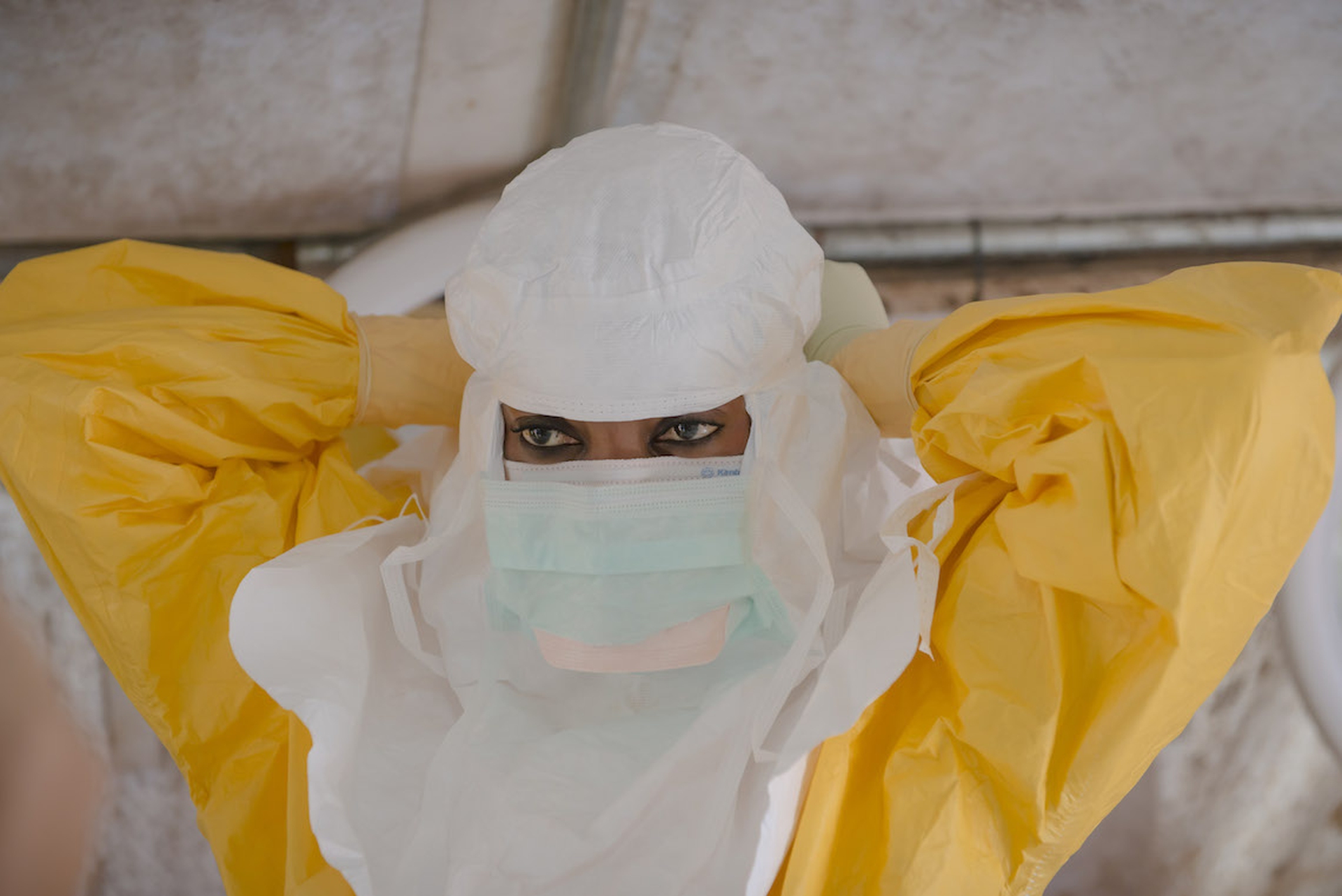
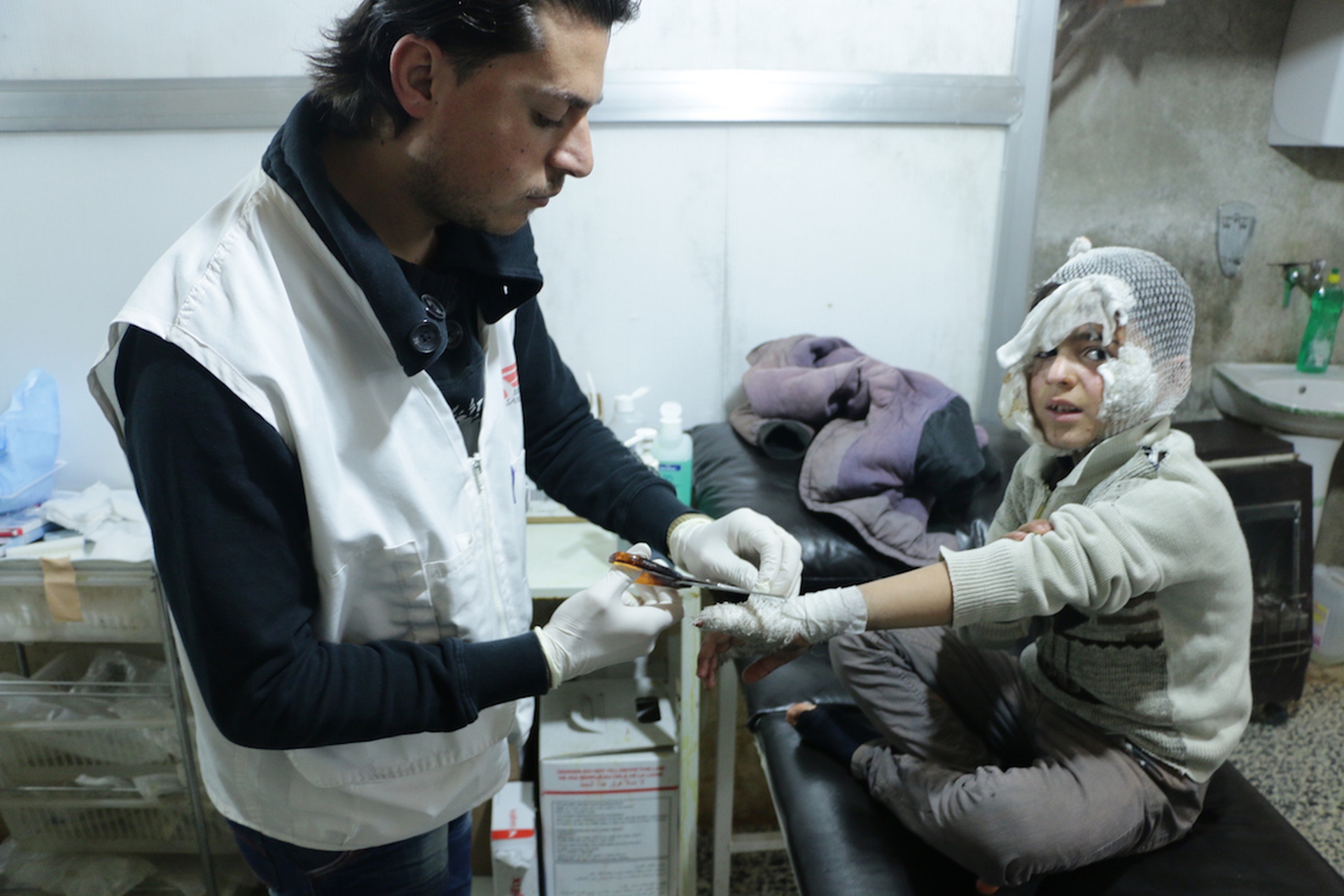
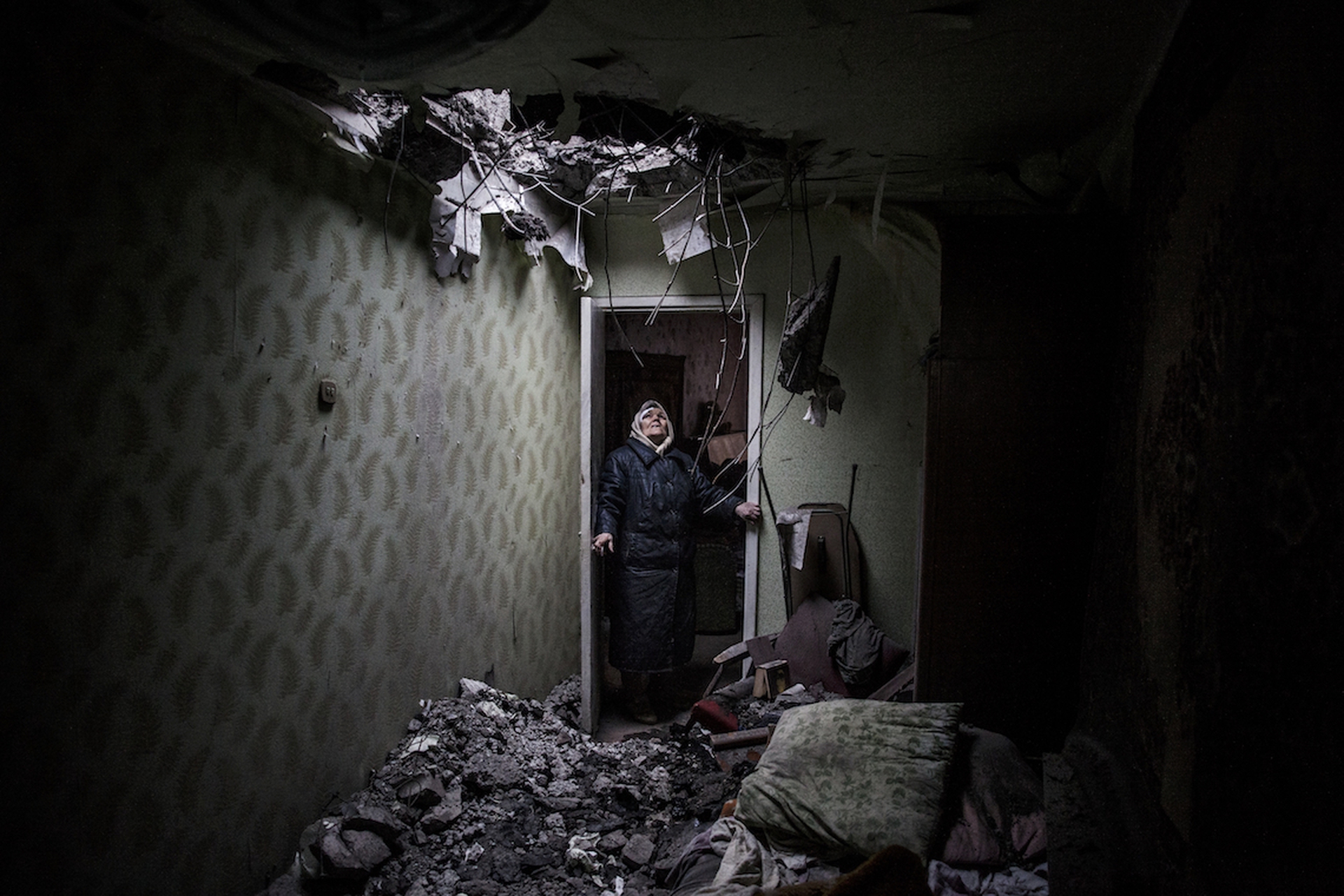
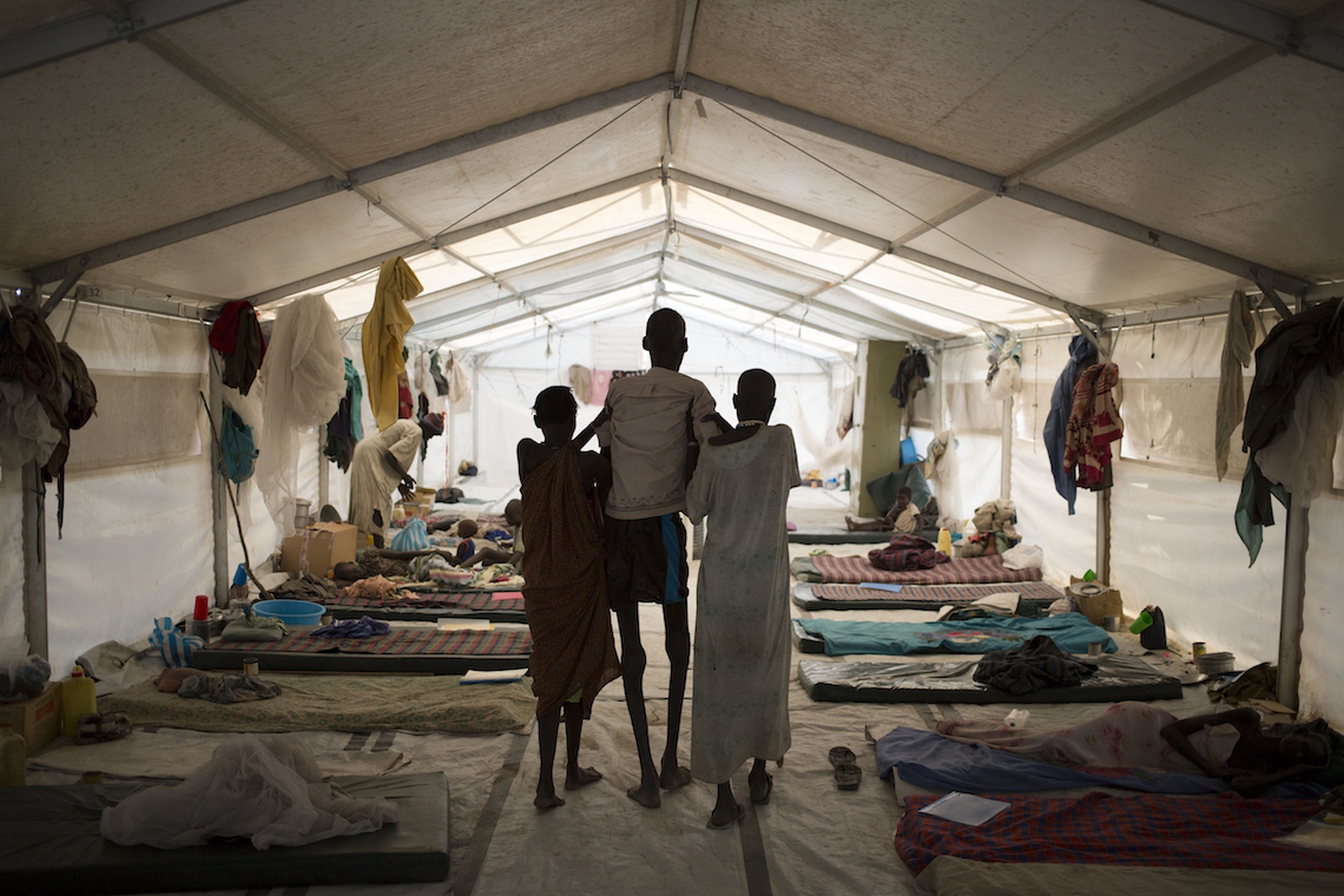
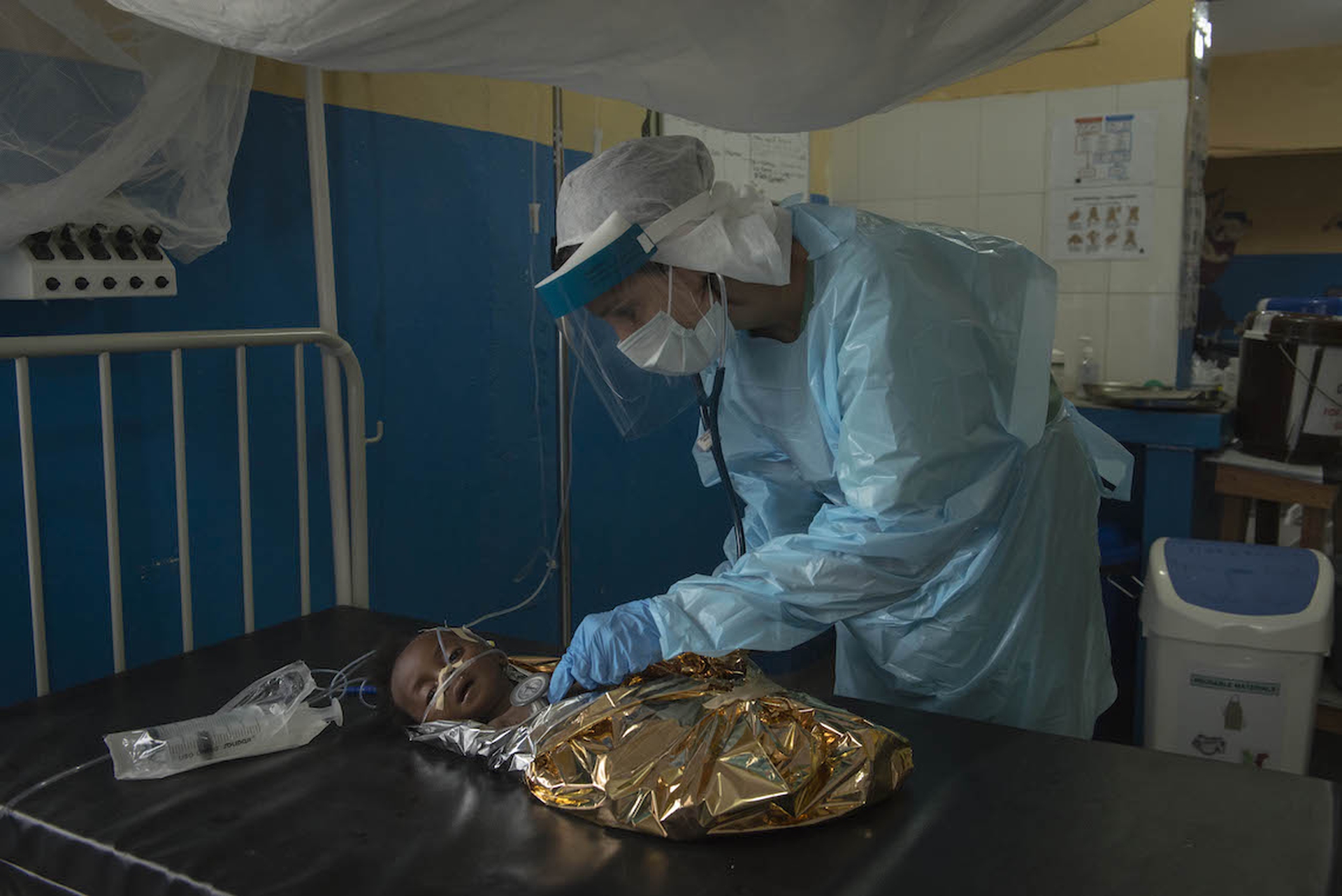
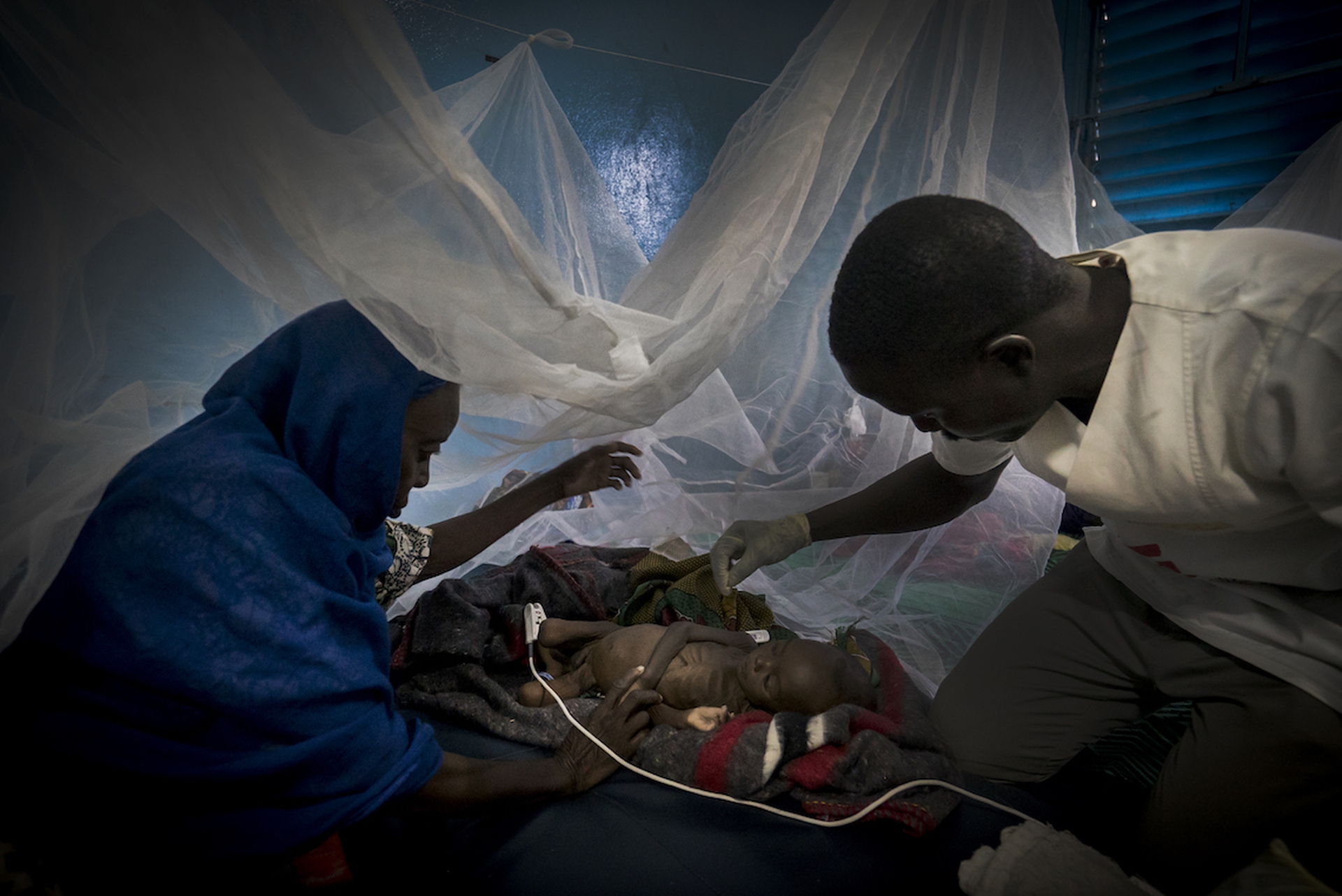
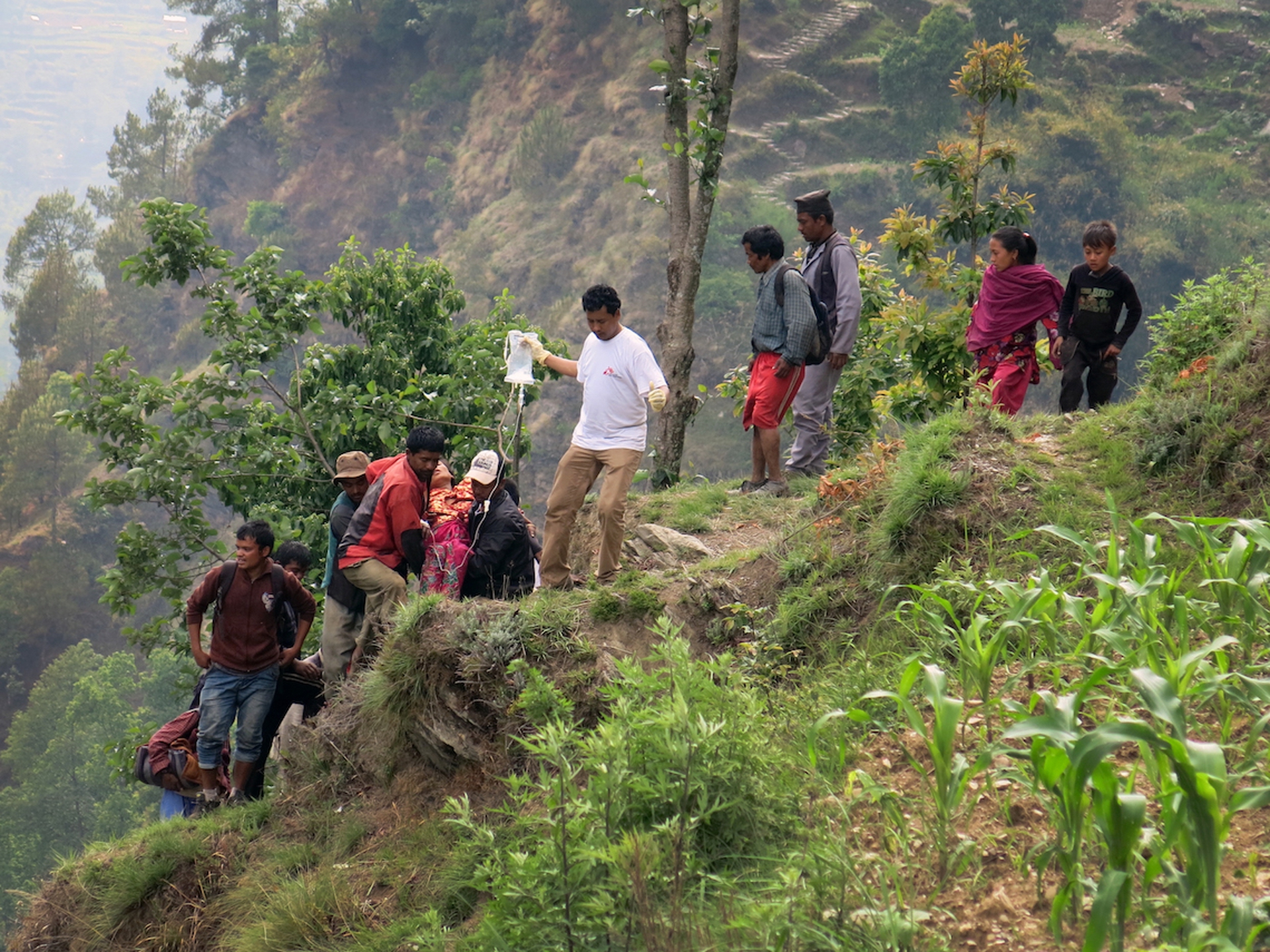
These are not just photographs. The images retracing a year of the humanitarian commitment of Médecins Sans Frontières (MSF) enshrine more. They have the capacity of describing the world we live in – made of wars, famines, oppressions, natural disasters, epidemics – from a particular perspective, the front line of their humanitarian commitment.
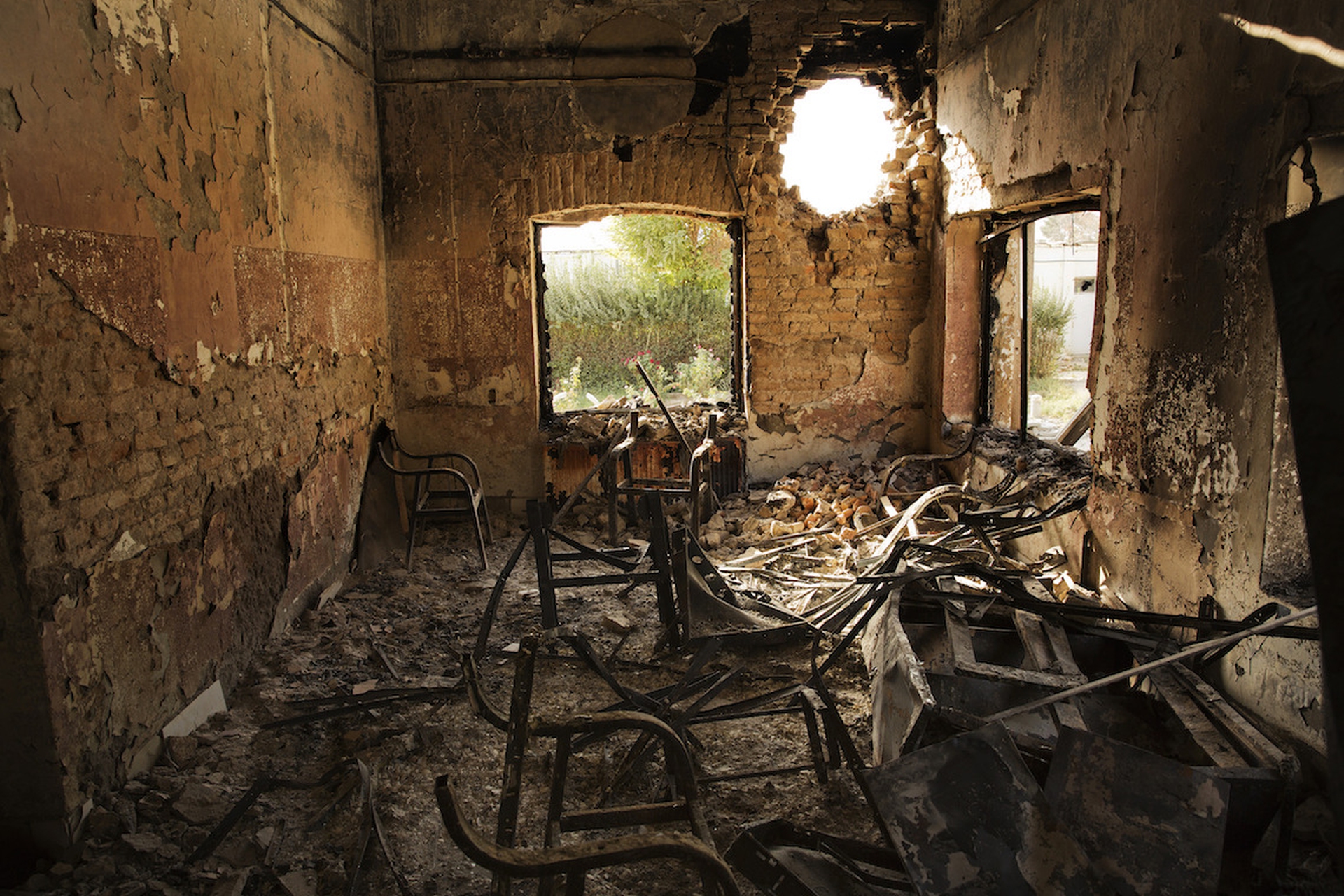
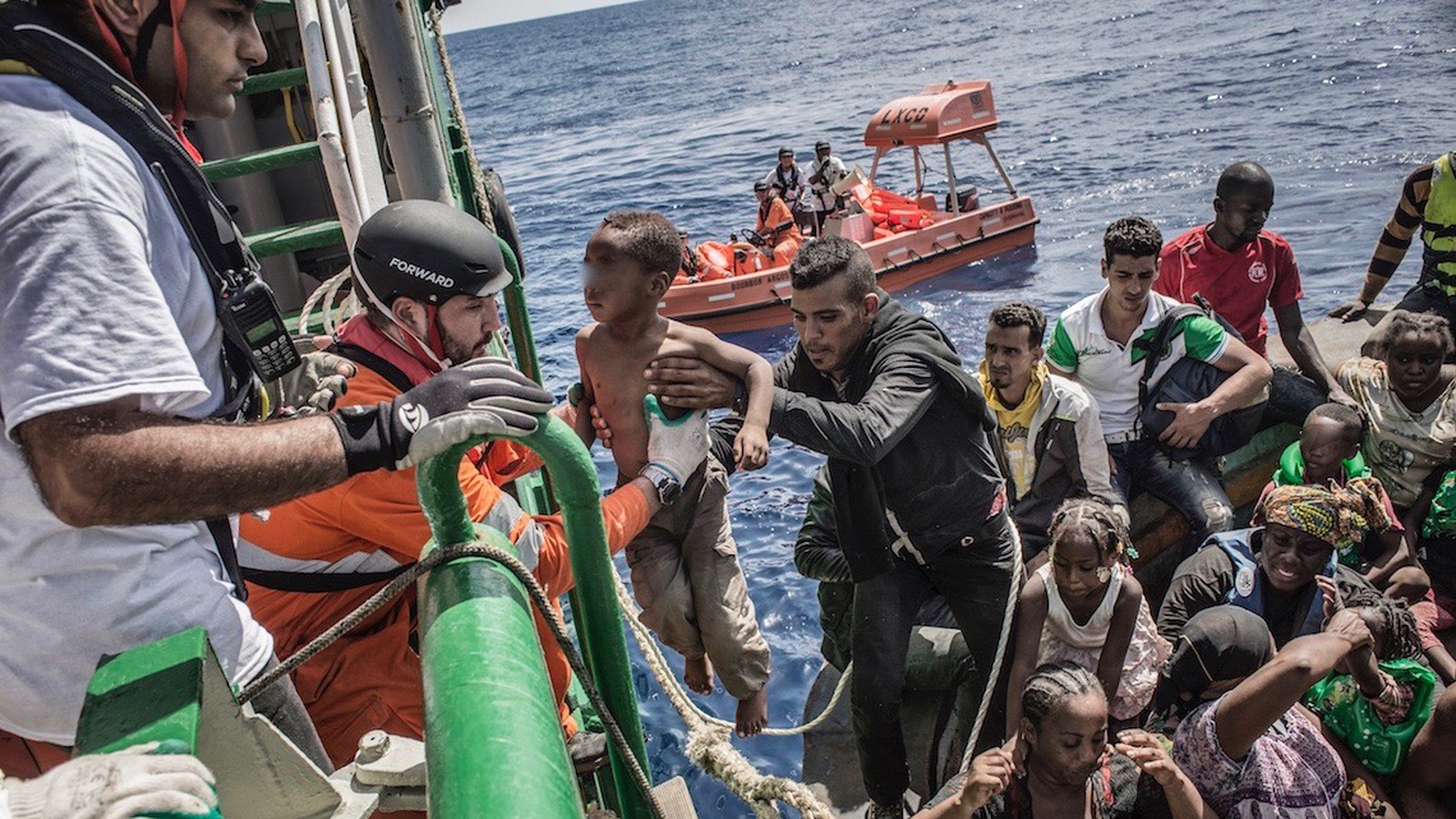
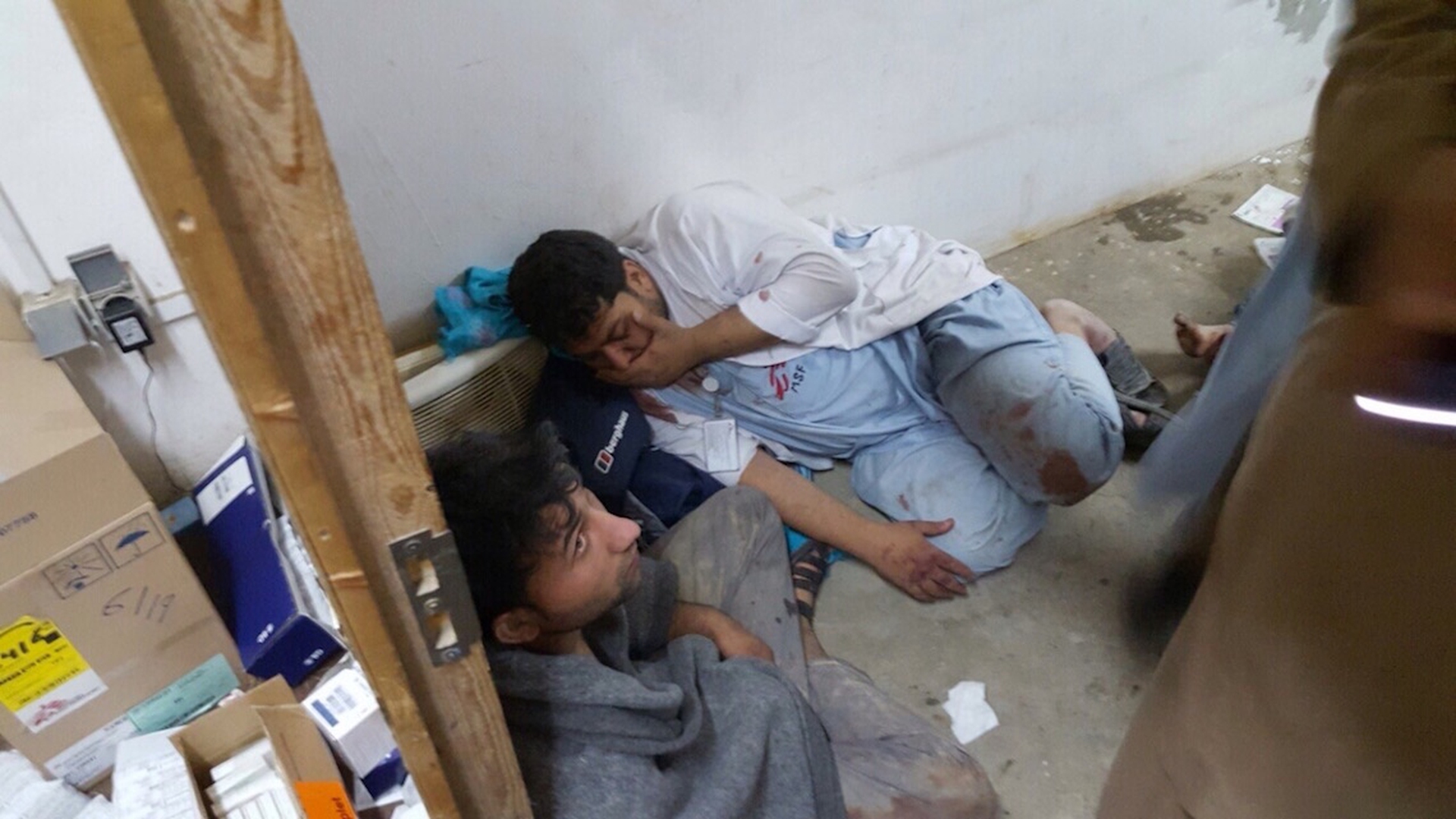
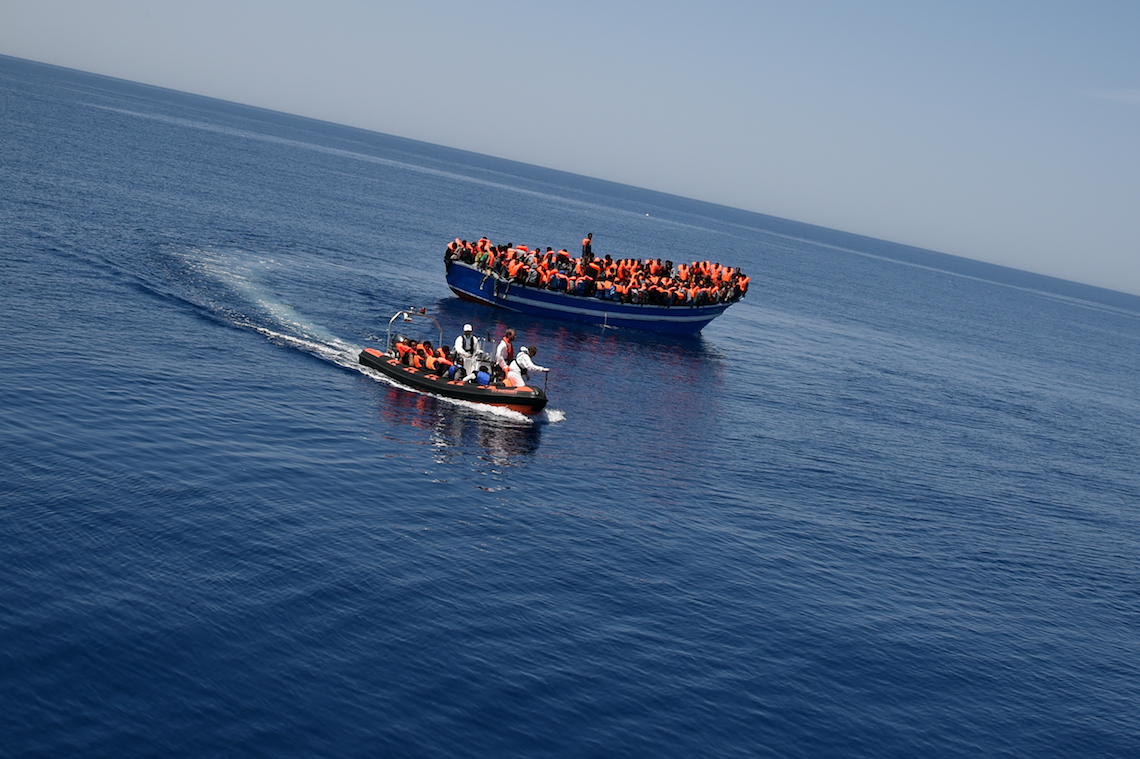
The war in Syria, Chiad and South Sudan, the rescuing missions in the Mediterranean Sea, as well as the night of 2 October, when an aerial bombing destroyed an association’s hospital in the Afghan city of Kunduz, killing 22 people. This is the daily life of those who chose to dedicate their lives to helping others.
Médecins Sans Frontières is currently active in dozens of countries all over the world. In 2014 alone, the organisation was operational in 63 states with 384 projects. The medical personnel carried out more than 8 million examinations, gave birth to 194,000 children, treated over 2 million people suffering from malaria and operated over 81,000 patients.
Most of this effort was concentrated in Africa, where MSF carried out 60% of its operations. 26% concerned Asia and the Middle East, 5% Latin America, while 4% Europe. Almost all budget available (precisely, four fifth) was donated by 5.7 million donors, which also represent a guarantee for the independence of MSF.
In 2015, the NGO dedicated its efforts to the Ebola emergency that particularly hit Western Africa, the Syrian conflict, and the unprecedented migration flows that reached the European Union borders. What made MSF’s commitment even riskier were the bombings in war-torn areas, which didn’t even spare the humanitarian organisation’s structures. On 26 October, MSF staff denounced that aircrafts of the coalition led by Saudi Arabia dropped bombs on a hospital in the province of Saada, Yemen. On 2 December, a mobile clinic has been hit.
Earlier this year, bombs dropped on the hospital of Shiara killed 6 people and injured 7. On 21 January, an ambulance was hit by missiles, killing the driver. Yet, all this didn’t stop the doctors, the paramedic personnel, the volunteers. They keep on with their commitment, risking their lives for a fairer world.
Siamo anche su WhatsApp. Segui il canale ufficiale LifeGate per restare aggiornata, aggiornato sulle ultime notizie e sulle nostre attività.

Quest'opera è distribuita con Licenza Creative Commons Attribuzione - Non commerciale - Non opere derivate 4.0 Internazionale.
Last February, Malaysia imposed a total ban on electronic waste imports. Yet toxic e-waste continues to arrive from the United States and other countries through illegal trafficking networks.
The measure is part of the new EU Ecodesign Regulation, which came into force on 19 July and requires greater transparency and better inventory management from companies.
Sierra Leone is an Ebola-free zone. The World Health Organisation (WHO) made the announcement on the 7th of November, 42 days since the last person was tested positive for the disease. The Sierra Leone based Social Mobilisation Action Consortium (SMAC), which works to fight Ebola through community engagement, celebrated the news by posting a video that
Ecuador’s shrimp exports continue to grow, but the country’s mangrove ecosystems are paying the highest price.
Copenhagen ranks first in the 2026 Global Liveability Index, followed by Vienna and Melbourne. Among the cities recording the greatest improvement in quality of life is New York.
Record temperatures and border checks: how climate and migration policies are reshaping sport.
Since the ceasefire began in mid-April, the Israeli military has killed at least 331 people in Lebanon. It is now intensifying both its air and ground attacks.
The Iom has released its latest report on migration routes. Since 2014, 82,000 people have died, and while numbers are declining in Europe, the toll is worsening elsewhere.
Israeli bombings in Lebanon have already caused over 900 deaths and one million displaced people, with growing concerns of genocide.


