



Last February, Malaysia imposed a total ban on electronic waste imports. Yet toxic e-waste continues to arrive from the United States and other countries through illegal trafficking networks.
“Promise kept”: this was Canadian prime minister Justin Trudeau’s comment on the legalisation of marijuana for recreational use, voted in June and which has now come into effect. Here’s what the new law entails.
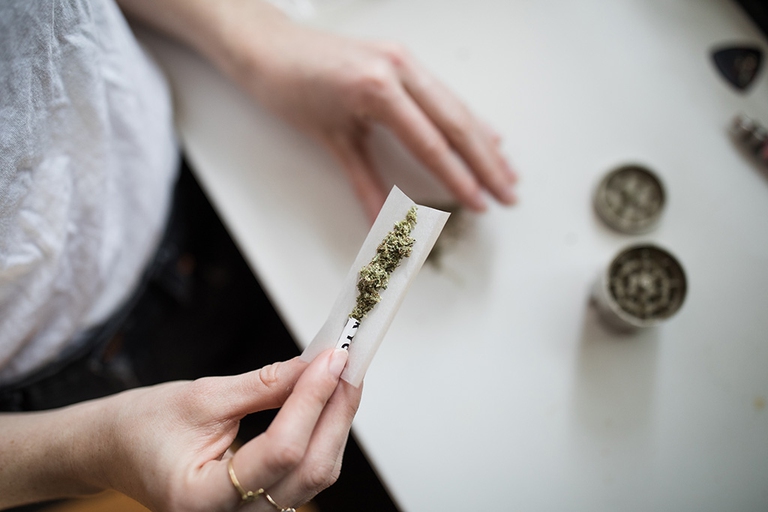
As of the 17th of October, Canadians can legally purchase marijuana, or cannabis: the Cannabis Act has come into effect, authorising the use of marijuana for recreational purposes. “It’s been too easy for our kids to get marijuana – and for criminals to reap the profits. Today, we change that”: prime minister Justin Trudeau made these comments on Twitter following the Senate’s decision to legalise marijuana for recreational use on the 19th of June.
Following the example of Uruguay, Canada thus becomes the second nation in the world – the first in the G7 group that brings together the seven richest countries – to take this historic step, though legalisation has also occurred in some states in the USA, and in certain Central and South American localities. The governments of other countries will be keeping an eye on how the situation progresses over the next few months – for Canada, the hope is that more money will pour into state coffers and organised crime will suffer.
It’s been too easy for our kids to get marijuana – and for criminals to reap the profits. Today, we change that. Our plan to legalize & regulate marijuana just passed the Senate. #PromiseKept
— Justin Trudeau (@JustinTrudeau) 20 giugno 2018
The decree was approved by the Senate with 52 votes in favour out of 81. Cannabis will now be sold by authorised retailers or licensed online sellers, and anyone over the age of 18 will be able to purchase up to 30 grammes at a time. Initially, the purchase of derived products such as edibles won’t be permitted, but individuals will be allowed to consume marijuana in their own homes whichever way they prefer. It will also be possible to grow up to a maximum of four plants, whose height has to be limited to one metre each. It’s likely that landlords will be able to restrict use within their properties and individual provinces will be tasked with establishing where smoking cannabis is permitted.
Read more: Mexican Supreme Court: legalise marijuana because the free development of personality is a right
The main goal is to fight the illegal market but results aren’t guaranteed: if the price of marijuana is too high, people will resort to buying it illegally, but the government can’t lower the price too much or it will appear to be encouraging use, which isn’t the legislation’s intended purpose. Another risk factor that must be considered is that traffickers may lower the price of harder drugs in order to compensate for the loss of the cannabis trade.
Read more: Damian Marley is turning a former prison into a marijuana farm
Recreational cannabis use is also legal in Alaska, California, Maine, Colorado, Massachusetts, Nevada, Oregon, Vermont, Washington state and in the District of Columbia, in the United States. In California, the Golden State, there’s even “marijuana Uber”, which allows people to have weed delivered straight to their homes. What worries people, however, is advertising especially on digital platforms, which increases the risk of young people using the drug.
Siamo anche su WhatsApp. Segui il canale ufficiale LifeGate per restare aggiornata, aggiornato sulle ultime notizie e sulle nostre attività.

Quest'opera è distribuita con Licenza Creative Commons Attribuzione - Non commerciale - Non opere derivate 4.0 Internazionale.
Last February, Malaysia imposed a total ban on electronic waste imports. Yet toxic e-waste continues to arrive from the United States and other countries through illegal trafficking networks.
The measure is part of the new EU Ecodesign Regulation, which came into force on 19 July and requires greater transparency and better inventory management from companies.
Ecuador’s shrimp exports continue to grow, but the country’s mangrove ecosystems are paying the highest price.
Copenhagen ranks first in the 2026 Global Liveability Index, followed by Vienna and Melbourne. Among the cities recording the greatest improvement in quality of life is New York.
Record temperatures and border checks: how climate and migration policies are reshaping sport.
Since the ceasefire began in mid-April, the Israeli military has killed at least 331 people in Lebanon. It is now intensifying both its air and ground attacks.
The Iom has released its latest report on migration routes. Since 2014, 82,000 people have died, and while numbers are declining in Europe, the toll is worsening elsewhere.
Israeli bombings in Lebanon have already caused over 900 deaths and one million displaced people, with growing concerns of genocide.
Animal shelters in Dubai report a surge in abandoned pets as wealthy residents flee Middle East tensions, leaving cats and dogs behind.


