



Last February, Malaysia imposed a total ban on electronic waste imports. Yet toxic e-waste continues to arrive from the United States and other countries through illegal trafficking networks.
Secondo Amnesty International il cobalto utilizzato nelle batterie dei dispositivi elettronici e nelle auto verrebbe estratto e lavorato anche da minori.
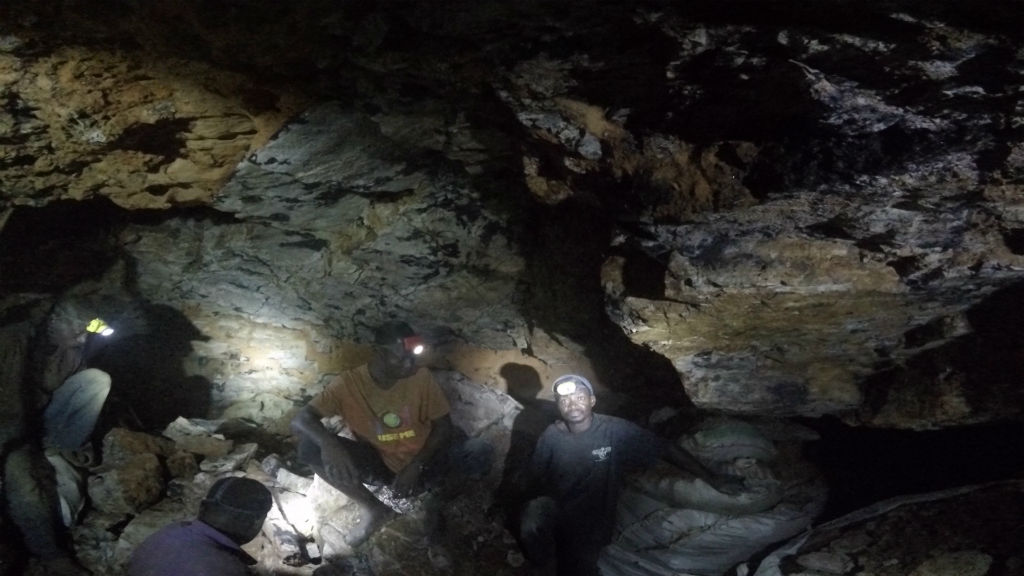
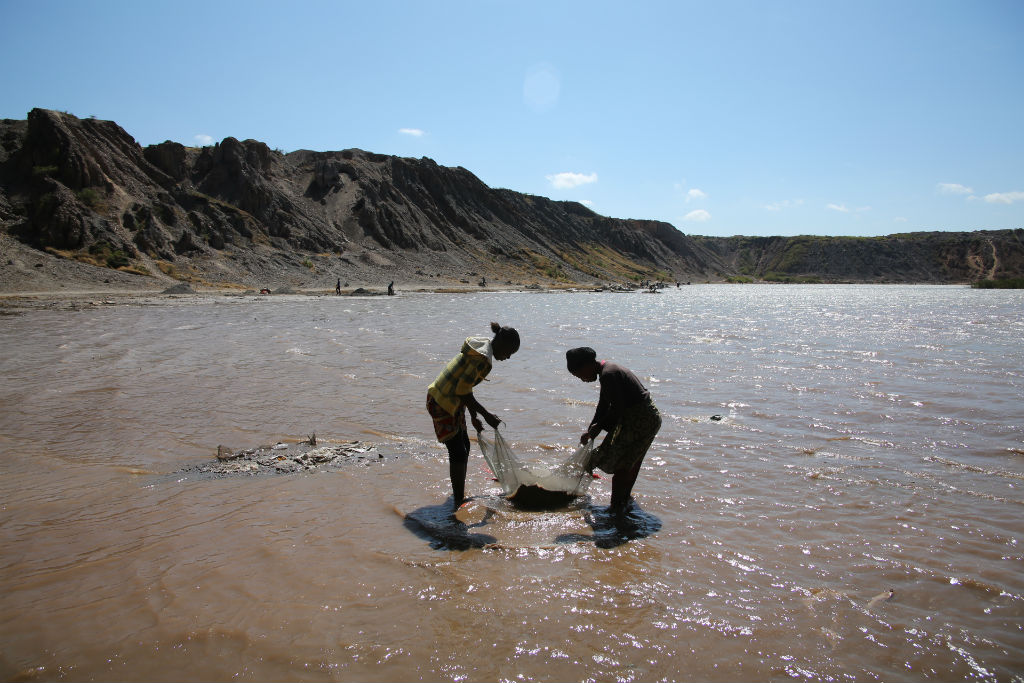
We find it in every lithium-ion battery contained in our smartphones, computers, electric vehicles. It is cobalt, mineral mostly coming from the Democratic Republic of Congo. It’s extracted in mines where often minors are employed, collecting, cleaning and transporting this precious mineral.
This is what revealed the latest report by Amnesty International, This is What We Die For, drafted in collaboration with the NGO Afrewatch. The association deals with human rights and operates in Congo since 2011, where it visited numerous mines and interviewed hundreds of minors.
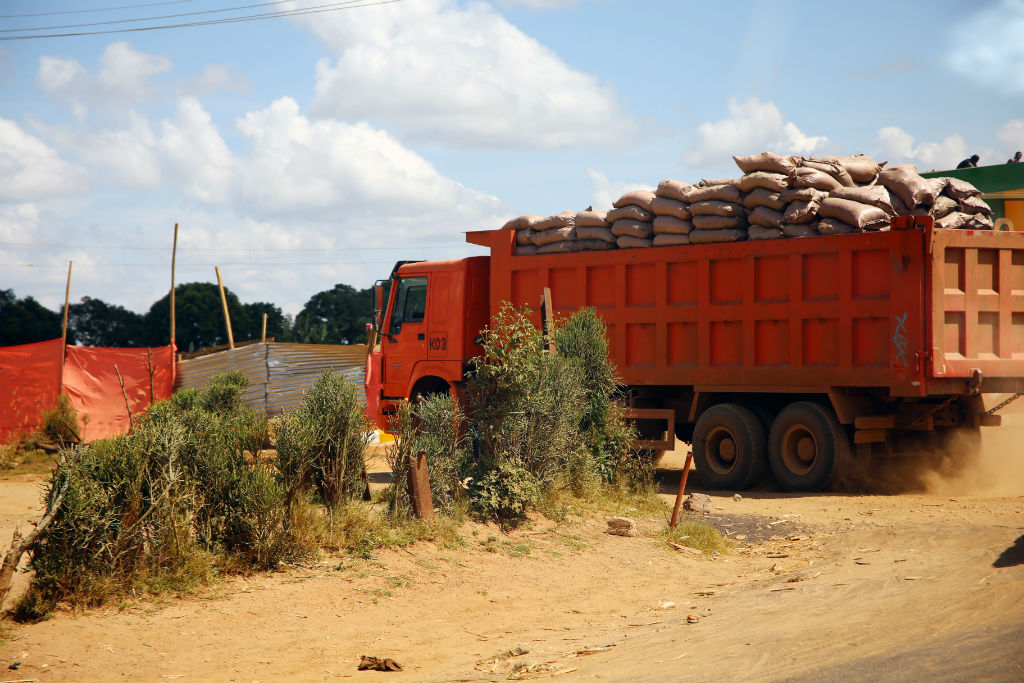
It carried out a research backwards, retracing cobalt’s entire supply chain, from mines to the Chinese mining giant Zheijang Huayou Cobalt Ltd and three other companies manufacturing batteries: Ningbo Shanshan and Tianjin Bamo, China, and L&F Materials, South Korea.
Such batteries end up in electronic devices of the major smartphone and computer producers: Ahong, Apple, Byd, Daimler, Dell, Hp, Huawei, Inventec, Lenovo, Lg, Microsoft, Samsung, Sony, Vodafone, Volkswagen, and Zte.
Amnesty International contacted 16 multinationals to verify their cobalt supply. Many were unable to say for certain whether they were buying cobalt, whilst others denied sourcing cobalt from these manufacturers. However, as reported by Amnesty, “none provided enough details to independently verify where the cobalt in their products came from”.
The report explains that the Democratic Republic of Congo is one of the world’s poorest countries, affected by poverty and civil wars. And small mines are often the only source of survival for entire families.
I would spend 24 hours down in the tunnels. I arrived in the morning and would leave the following morning.
Paul, 14
It is confirmed by children’s voices: “I would spend 24 hours down in the tunnels. I arrived in the morning and would leave the following morning. I had to relieve myself down in the tunnels,” said Paul, 14-year-old orphan and cobalt miner. “My foster mother planned to send me to school, but my foster father was against it, he exploited me by making me work in the mine”.
It’s a global market lacking any kind of control, which should be unavoidable for the entire electronic supply chain. It thus conceals tens and tens of people victim of terrible and inhuman health and working conditions.
Siamo anche su WhatsApp. Segui il canale ufficiale LifeGate per restare aggiornata, aggiornato sulle ultime notizie e sulle nostre attività.

Quest'opera è distribuita con Licenza Creative Commons Attribuzione - Non commerciale - Non opere derivate 4.0 Internazionale.
Last February, Malaysia imposed a total ban on electronic waste imports. Yet toxic e-waste continues to arrive from the United States and other countries through illegal trafficking networks.
The measure is part of the new EU Ecodesign Regulation, which came into force on 19 July and requires greater transparency and better inventory management from companies.
Ecuador’s shrimp exports continue to grow, but the country’s mangrove ecosystems are paying the highest price.
Copenhagen ranks first in the 2026 Global Liveability Index, followed by Vienna and Melbourne. Among the cities recording the greatest improvement in quality of life is New York.
Record temperatures and border checks: how climate and migration policies are reshaping sport.
Since the ceasefire began in mid-April, the Israeli military has killed at least 331 people in Lebanon. It is now intensifying both its air and ground attacks.
The Iom has released its latest report on migration routes. Since 2014, 82,000 people have died, and while numbers are declining in Europe, the toll is worsening elsewhere.
Israeli bombings in Lebanon have already caused over 900 deaths and one million displaced people, with growing concerns of genocide.
Animal shelters in Dubai report a surge in abandoned pets as wealthy residents flee Middle East tensions, leaving cats and dogs behind.


